The shocking truth behind Japan's Olympic uniforms blocking infrared
The Intersection of Sports and Technology
Sports and technology have always been closely linked, especially when it comes to the development of innovative materials. At the 2024 Summer Olympics in Paris, some Japanese athletes wore outfits made from a new fabric designed to absorb infrared light. This material is similar to the stealth technology used in aircraft that avoid radar detection.
However, this innovation isn't about improving athletic performance. Instead, it's aimed at addressing a different issue: preventing non-consensual photography. This problem has long been a concern for female athletes, who often face unwanted attention and invasive behavior.
The Rise of Infrared Photography
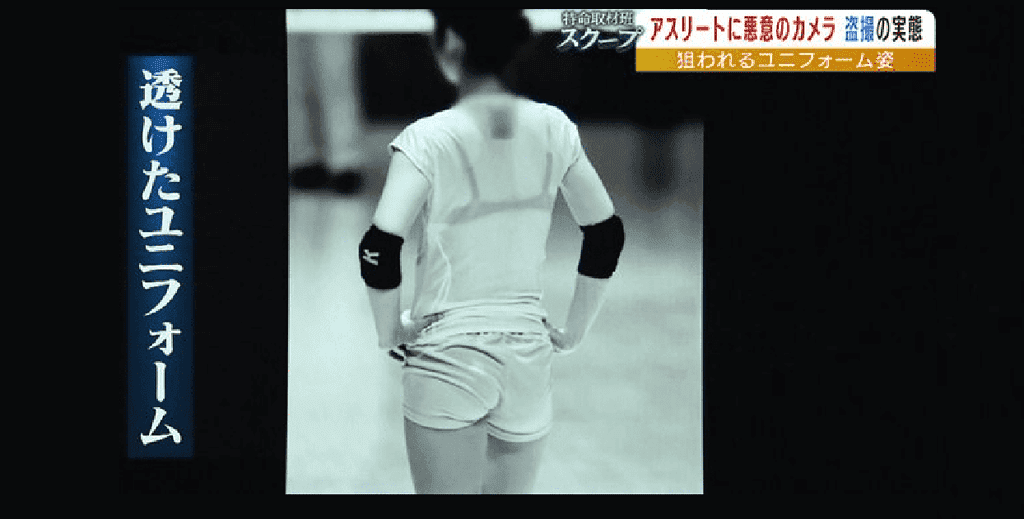
Nonconsensual photography, particularly involving thermal cameras, has become an unexpected challenge in recent years. Thermal cameras detect heat emitted by objects, including human bodies, and can capture images that reveal details not visible to the naked eye. In 2021, during the Tokyo Olympics, athletes reported discovering infrared photos of themselves being shared on social media with sexually explicit captions.
This practice can expose body outlines or undergarments through thin sports clothing, making it a serious invasion of privacy. The issue has sparked concern among athletes and organizers alike, leading to efforts to develop solutions.
Innovations in Fabric Technology
For several years, athletes and the sports company Mizuno have been working on a special fabric that can block infrared cameras. The goal is to create a material that prevents thermal imaging without compromising athlete comfort. Traditional methods of blocking infrared light often involve adding layers, which can increase heat retention. For athletes competing in hot weather, this is a significant concern.
Mizuno’s experiments showed that a printed black “C” under a layer of fabric and the new infrared-absorbing material becomes nearly invisible when viewed with an infrared camera. The uniforms also maintain a balance between protection and comfort, ensuring athletes remain cool and agile.
Mei Kodama, a 25-year-old sprinter who competed in the 4x100-meter race at the Tokyo Games, tested one of these outfits and found it more comfortable than expected. According to Mizuno, incorporating this fabric into sportswear could help reduce incidents of illicit infrared photography.
A Persistent Issue in Japan
Despite being one of the safest countries in the world, Japan faces ongoing challenges related to the sexualization of women. Groping attacks and non-consensual photography are significant issues, with specific measures in place to prevent hidden photography. In Japan, cameras must make a shutter sound to deter covert image-taking, and public transit often displays warnings against such practices.
The problem extends to the sports world as well. Airi Hatakeyama, a former rhythmic gymnast and current television reporter, recalls being photographed in suggestive ways even as a minor. Reiko Shiota, a badminton player, had photos of her body shared widely on social media. In 2021, a man was arrested for taking infrared photos of a female volleyball player and selling the images. Two years later, another individual was prosecuted for filming female runners.
Addressing the Problem with Technology
While new clothing cannot fully resolve this pervasive issue, it offers a small but meaningful step forward. Some sports have already banned photography, and Olympic authorities are implementing stricter measures. However, the widespread use of smartphones makes enforcement challenging.
Incorporating infrared-blocking fabric can help protect athletes, and the Japanese team will feature this fabric for six female teams. Japan has also passed a law criminalizing non-consensual photography, with penalties including up to three years in prison. Recently, a man was arrested for using an infrared camera to take illegal photos of swimmers, some as young as 11.
Athletes Taking Action
Athletes who have experienced this issue firsthand are creating their own solutions. Aiko Sugihara, a Japanese gymnast, started a company that produces leotards covering more of the body. Female teams are increasingly requesting more modest uniforms, though some committees resist these changes. For example, Norway’s beach handball team was fined for wearing shorts instead of bikinis.
The push for inclusive and less sexualized uniforms highlights the severity of the problem. While infrared-blocking clothing is a positive development, it is just one part of a larger effort to address non-consensual photography and protect athletes' privacy.

Post a Comment for "The shocking truth behind Japan's Olympic uniforms blocking infrared"
Post a Comment