The Secret to Bigger, Brighter Hydrangeas Every Season
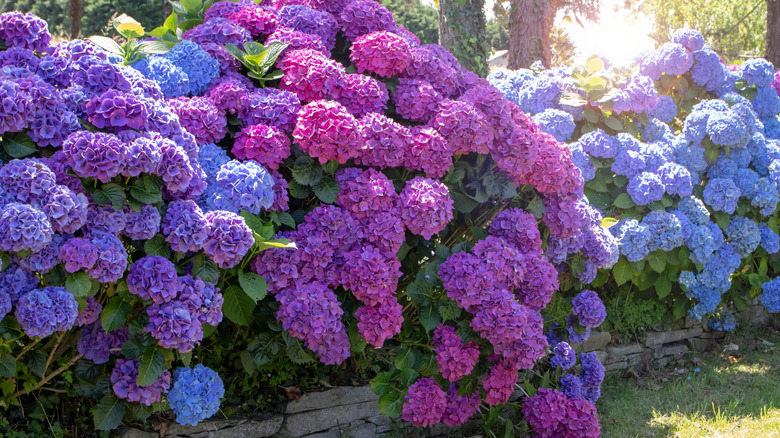
The Art of Growing Hydrangeas from Seeds
If you're a gardening enthusiast with a dream of having a vibrant garden filled with hydrangeas, you might be surprised to learn that you don’t need to buy new plants every spring. A cost-effective and rewarding method involves harvesting seeds from your existing hydrangeas and growing your own. This technique not only saves money but also adds a sense of satisfaction and personal connection to your garden.
This approach is particularly effective for certain types of hydrangeas such as lacecap, oakleaf, and smooth hydrangeas, which are more likely to produce viable seeds compared to the common mophead varieties. It’s important to note that while hydrangea seeds can grow into beautiful plants, they may not always result in identical copies of the parent plant. This element of surprise can make the process even more exciting as you watch your seedlings develop unique characteristics.
Essential Tools for Seed Harvesting
To begin, you’ll need a few basic supplies: brown paper bags, scissors or pruners, white paper plates, nursery pots, potting mix, and a sunny location. The process of harvesting hydrangea seeds requires some patience but is surprisingly straightforward once you get the hang of it. Be sure to plan ahead, as the timing for collecting flower heads varies depending on your USDA hardiness zone. Gardeners in Zones 3 through 9 typically have the best luck growing hydrangeas, although local climate conditions can influence bloom cycles and drying times.
Harvesting seeds not only helps you save money but also deepens your connection to your garden. There's a special joy in watching beautiful blooms grow from your own backyard seed stock, and with proper care, you can enjoy healthy hydrangeas year after year.
Step-by-Step Guide to Harvesting Hydrangea Seeds
Once your hydrangea flowers have faded and dried on the plant, usually in late fall, it's time to gather them. Cut off the flower heads and place each one in its own brown paper bag. Keeping different varieties separated is essential, especially if you’re working with multiple types. Hang the bags in a cool, dry area for about a week to ensure they dry completely.
After the flower heads are crisp, gently shake each bag to dislodge the tiny seeds. Pour the contents onto a white paper plate, which makes it easier to spot the small, dark seeds. Use tweezers or your fingers to separate the seeds from any remaining plant material. If you don’t plan to sow them immediately, store your seeds in a clean, labeled glass jar in a cool, dry place. They can remain viable for up to a year.
How to Sow Hydrangea Seeds
When you're ready to sow the seeds, start by filling nursery pots with a well-draining potting mix. Sprinkle 3 to 5 seeds onto the surface of each pot. Do not bury them, as hydrangea seeds require light to germinate. Place the pots near a bright, sunny window and keep the soil evenly moist but not soggy. Germination typically takes around two weeks, so patience and consistent watering are key.
Once the seedlings sprout, thin them down to the strongest one per pot. After they develop 2 to 3 sets of true leaves, transplant them into 1-gallon containers filled with fresh potting mix and drainage holes. Keep these young plants in a sunny area for several months to help them grow strong before moving them outdoors.
Additional Tips and Ideas
For added organization, label your seedlings with the variety (if known) and the year, especially if you plan to share them with friends or neighbors. You can also experiment with starting seeds indoors earlier in the season using grow lights to speed up the process. If starting from seeds feels overwhelming, consider growing a full hydrangea hedge from just one plant.
For the cost-conscious and curious gardener, seed harvesting is a beautiful, low-cost way to bring more hydrangeas into your life, year after year. Before planting hydrangeas in your garden, it's wise to be aware of common issues that may arise. Whether you're a seasoned gardener or just starting out, this method offers a rewarding and sustainable way to enjoy the beauty of hydrangeas.

Post a Comment for "The Secret to Bigger, Brighter Hydrangeas Every Season"
Post a Comment