The Secret Spice That Elevates Tomato Sauce
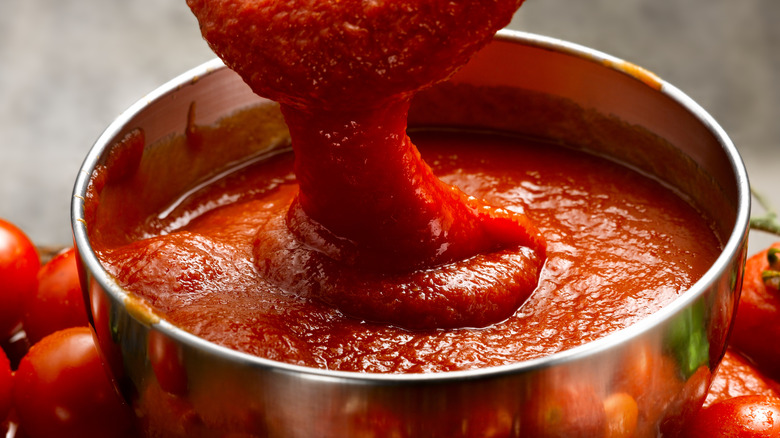
Enhancing Tomato Sauce with Fennel
While fennel might not be the first spice that comes to mind when making tomato sauce, it has the unique ability to elevate the dish from ordinary to extraordinary. Adding fennel can completely transform a simple spaghetti sauce, offering a more complex and layered flavor profile. Its gentle sweetness and subtle anise-like aroma help balance the acidity of tomatoes, creating a depth of flavor that lingers in the background.
According to Anthony Paone, executive chef at Campanella in Sebastopol, California, fennel adds a level of sweetness that enhances the overall taste of the sauce. However, he notes that using fennel alone could be unusual. Instead, Paone recommends using fennel seeds for sauces. "Probably the seed," he says when asked about using fresh fennel. Whole fennel seeds can be toasted in olive oil to release their fragrance before adding tomatoes, while ground fennel offers a softer, more integrated flavor. The key is to achieve balance—enough to give the sauce a fragrant lift without overpowering the other ingredients.
Fennel in Italian Cooking
In traditional Italian cuisine, fennel has long been used in dishes where it pairs well with meat, especially pork. The spice’s sweetness complements the richness of the meat, resulting in a balanced and flavorful sauce. Paone emphasizes that this is where fennel truly shines. "As someone who is really fond of fennel and its seeds, I feel lost if there isn’t some pork or braised element in the sauce, like sweet Italian sausages." His perspective aligns with traditional Italian dishes that combine tomato sauce with fennel, such as Italian sausage braised in tomato sauce.
This classic pairing works because the fennel-flavored sausage infuses the tomato base with aromatic depth as it cooks. Beyond tradition, Paone also sees potential for fennel in less conventional applications. For example, he imagines fennel playing a role in a nontraditional seafood Bolognese or being added sparingly to a puttanesca. In seafood-based sauces, the sweetness of fennel can echo the natural sweetness of shellfish, while in a puttanesca, it can subtly offset the briny flavors of olives and capers.
Tips for Using Fennel in Tomato Sauce
When incorporating fennel into tomato sauce, moderation is key. Starting with 1 teaspoon of fennel seed for a pot serving four to six people allows the flavor to complement rather than dominate the sauce. Toasting the seeds briefly in olive oil before adding tomatoes and meat deepens their aroma. For a milder effect, grinding the seeds first ensures they disperse evenly, infusing the sauce without leaving whole seeds behind.
Supporting ingredients like garlic, onion, and crushed red pepper can help mellow out fennel's sweetness, preventing the sauce from becoming overly sweet. When experimenting with fennel, it's important to remember that it acts as a flavor amplifier, enhancing the overall taste of other components. Used thoughtfully, fennel transforms a standard tomato sauce into something far more complex and delicious.
Expanding the Possibilities
Fennel doesn't have to be reserved for traditional dishes. It can be creatively woven into various styles of tomato sauce when used with restraint and intention. Even those who rely on jarred pasta sauce can benefit from upgrading their base by incorporating fennel. This small addition can make a significant difference in flavor, offering a more refined and satisfying dining experience.
For those interested in exploring more food and drink content, joining The Takeout's newsletter provides access to taste tests, food and drink news, deals from favorite chains, recipes, cooking tips, and more. Whether you're a seasoned cook or just starting out, experimenting with fennel in your tomato sauce can open up new culinary possibilities.

Post a Comment for "The Secret Spice That Elevates Tomato Sauce"
Post a Comment