The Secret Psychology Behind Restaurant Spending Traps
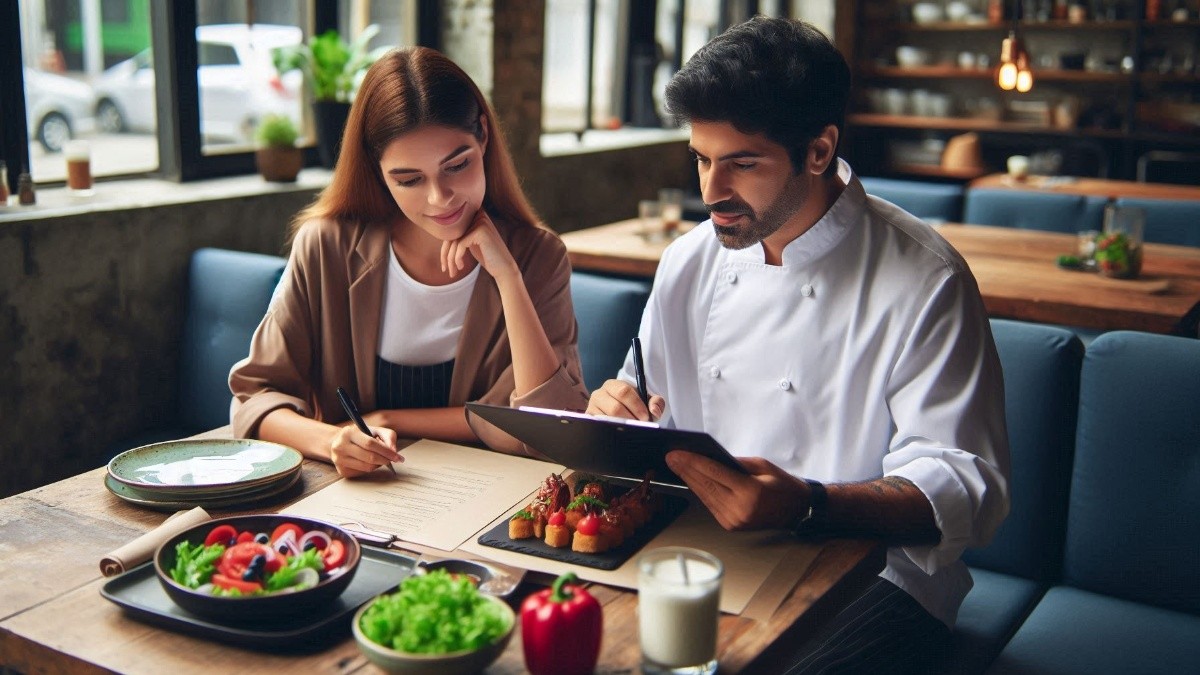
Understanding the Tactics Restaurants Use to Influence Your Spending
It’s a common experience: you sit down for a meal, enjoy the ambiance and the food, only to be surprised by an unexpectedly high bill. This isn’t just your imagination—it’s the result of carefully crafted strategies that many restaurants use to get customers to spend more than they intended. These tactics are not necessarily illegal, but they are designed to subtly influence your spending habits. By becoming aware of these methods, you can make smarter choices when dining out and avoid being caught off guard by hidden costs.
The Power of Menu Language
One of the most effective tools restaurants have is the way they describe their dishes. Menu language often uses persuasive and evocative terms to create a sense of value or exclusivity. Words like "Kobe-style" or "Maine-style" may sound premium, but they don’t always mean what you think. For instance, "Kobe-style beef" could refer to a cut of Wagyu beef from a different region, while "Maine-style lobster" might actually be a mix of cheaper crustaceans. These descriptions are meant to justify higher prices, so it's important to read carefully and question any overly vague or suggestive wording.
Hidden Upcharges That Add Up
Another tactic involves small, often unnoticed fees that can quickly add up. These might include extra charges for side items, substitutions, or "bottomless" drinks that aren’t truly refilled as promised. Some restaurants even charge for ingredients that were supposed to be included in a dish. To avoid falling into this trap, it's wise to ask about additional charges before customizing your order. Being proactive can save you from unexpected costs at the end of your meal.
Anchoring and Perception Manipulation
Restaurants also use psychological techniques to shape how customers perceive value. One such method is the "anchor effect," where an expensive dish is placed on the menu to make other options seem more reasonably priced by comparison. A $100 steak might feel too costly, but a $35 entrée suddenly looks like a great deal. This strategy plays on your perception of value, making you feel like you're getting a good deal even if the price is still high.
Additionally, some upscale restaurants remove dollar signs from their menus or place them in less obvious locations. This subtle change helps reduce the immediate focus on cost, allowing you to make decisions based more on the food than the price. As a result, you’re more likely to spend freely without fully considering the financial impact.
The Psychology Behind Menu Design
Restaurants are experts in visual design, using layout and typography to guide your choices. High-profit dishes are often placed in prominent spots, such as the top right corner of the menu, which naturally draws the eye. Bold fonts, boxes, or unique symbols can also highlight certain items, making them stand out more than others. In some cases, the absence of dollar signs makes prices feel less like money and more like simple numbers, encouraging you to spend more without thinking twice.
Ingredient Substitutions and Quality Concerns
In some cases, restaurants may substitute high-cost ingredients with cheaper alternatives without your knowledge. For example, a dish advertised as having cod might actually use tilapia or basa, both of which are less expensive. Similarly, low-quality vegetable oil might be used instead of olive oil. While these changes may go unnoticed by many diners, they significantly boost profit margins. Choosing reputable establishments known for quality ingredients can help you avoid this issue.
Tipping and Service Charges
The final potential pitfall comes in the form of service charges. While tipping is standard in the U.S., some restaurants add a mandatory service fee that may or may not go directly to the server. This can lead to confusion, especially if you leave an additional tip on top of the fee. Always review your bill carefully and ask the waitstaff whether the service charge is part of their tip or if you’re expected to add an extra gratuity.
Making Informed Choices When Dining Out
By understanding these tactics, you can become a more informed diner and avoid being taken advantage of. From paying attention to menu language and watching for hidden fees to recognizing the psychology behind restaurant design, there are many ways to protect yourself. The next time you sit down for a meal, you’ll not only enjoy the food but also have the confidence that you’re getting exactly what you paid for.

Post a Comment for "The Secret Psychology Behind Restaurant Spending Traps"
Post a Comment