The Science of Revenge: Vengeance Is Far From Innocent
The Psychology of Revenge and Its Impact on Human Behavior
Revenge has long been a powerful force in human history, often seen as a natural response to perceived wrongs. As philosopher Francis Bacon once said, “Revenge is a kind of wild justice.” While both justice and revenge involve punishing those who have wronged us, they differ fundamentally in their approach. Justice requires the wrongdoer to be aware of the punishment and understand its reason, while revenge focuses on the victim feeling that they have been avenged. In many cases, the person who caused harm may not even be aware of the retaliation.
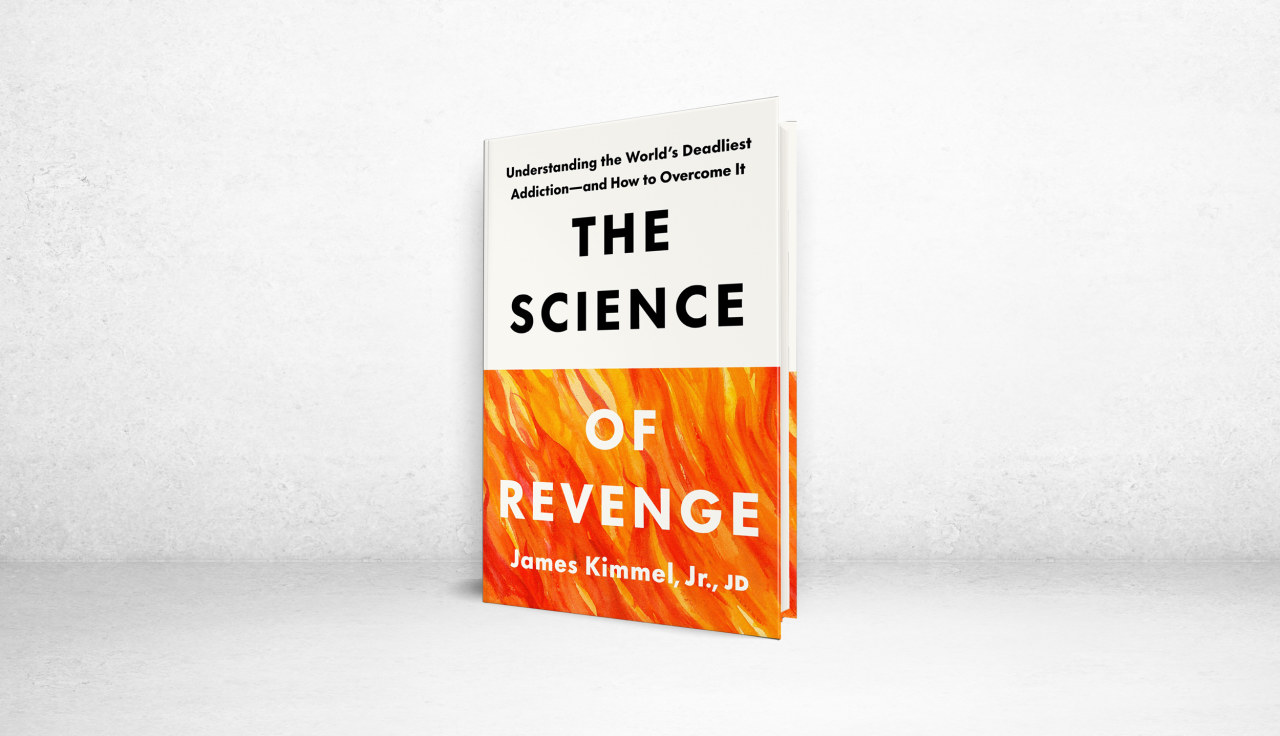
In his book The Science of Revenge, James Kimmel Jr. explores the psychological mechanisms behind this phenomenon. A professor of psychiatry at Yale and former practicing lawyer, Kimmel noticed a pattern among his high-paying clients. They were not seeking traditional compensation or legal justice but rather the satisfaction of seeing their adversaries suffer through prolonged litigation. This realization led him to describe his work as “legalized revenge.”
Kimmel’s research revealed that the human brain is wired for revenge. When we believe someone has wronged us, the anterior insula—the brain's pain network—is activated. Engaging in revenge, or even thinking about it, releases dopamine and activates the nucleus accumbens and dorsal striatum, which are associated with pleasure. This chemical reaction can make revenge addictive, similar to drug use. It explains why people might repeatedly seek out situations where they can feel a sense of retribution, whether through real-life actions or imagined scenarios.
Language also reflects our deep connection to revenge. Phrases like “Hamlet takes revenge on Claudius” suggest that revenge is something we take from or on another person. Unlike compensation or punishment, which involve taking something from or inflicting something on someone, revenge merges both concepts. Our sense of gain is tied to the pain of the person who wronged us, reinforcing the cycle of retaliation.
As Kimmel studied the historical impact of revenge, from Caligula’s tyranny to Stalin’s purges, he realized that the desire for vengeance originates in the mind. He proposed a new method called the Nonjustice System to help individuals control their urge for revenge. This technique involves mentally staging a trial: first, presenting one’s case against the offender, then imagining them defending themselves, followed by assuming the role of a judge and finally a warden carrying out the sentence. According to Kimmel, this process can help reduce the emotional intensity of revenge cravings.
However, Kimmel’s approach isn’t the only way to achieve a sense of closure. Many people find that simply living well or achieving success can serve as a form of revenge. Proverbs such as “living well is the best revenge” reflect this idea. Instead of seeking direct retaliation, individuals can view their personal achievements as a way to respond to those who have harmed them. Success—whether in career, family, or spiritual life—can act as a powerful form of retribution without requiring any action against the wrongdoer.
Another perspective comes from literature. In Wuthering Heights, Catherine declares that she has taken revenge on Heathcliff, but not through direct punishment. Instead, she allows the troubles he has brought upon himself to serve as a form of reckoning. This illustrates how revenge can be more about internal resolution than external action.
This concept aligns with ancient traditions that discourage personal vengeance. Many cultures, including Judeo-Christian beliefs, encourage leaving revenge to a higher power. Rather than seeking to punish others, individuals can choose to see their good fortune and the misfortunes of those who have wronged them as the universe’s way of balancing the scales.
For some, Kimmel’s Nonjustice System may seem unrealistic, as it requires imagining scenarios that aren’t true. But there’s another option: embracing the idea that life itself can provide a form of justice. By focusing on personal growth and allowing events to unfold naturally, individuals can find peace without the need for active retaliation. This approach offers a more compassionate and sustainable path to healing.

Post a Comment for "The Science of Revenge: Vengeance Is Far From Innocent"
Post a Comment