The Science of Meal Timing: How It Can Transform Your Fertility
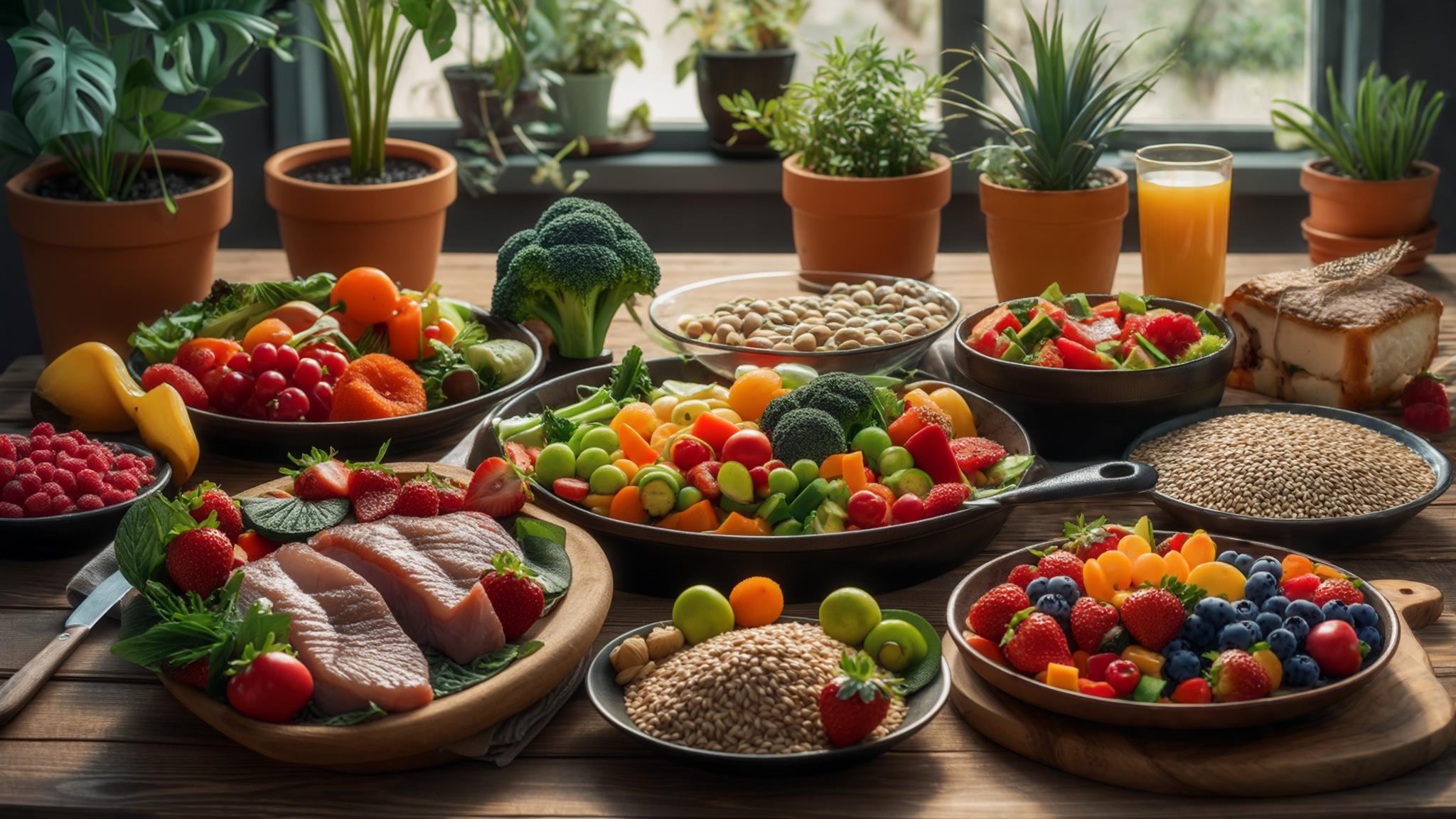
Why Timing Your Meals Could Be Your Fertility Game-Changer
Last month, a woman reached out to me at 2 AM with a message that echoed the frustration of many: “I’ve tried every fertility diet on Pinterest and I’m exhausted.” This sentiment is all too familiar. What I wish someone had told her from the beginning is that the key to fertility might not be what you eat, but when you eat it.
Your body operates on an internal schedule, and aligning your meals with these rhythms can significantly enhance your reproductive health. Hormones don’t just fluctuate randomly—they follow predictable patterns that you can work with strategically. Recent research highlights the importance of this timing-based approach, especially as infertility affects one in six individuals globally.
Think of your hormones like a well-choreographed dance routine. When the timing is off, even the best dancers stumble. Your meals are like the music—get the rhythm right, and everything flows beautifully. According to some studies, eating 25% protein in your diet can boost embryo development, while a diet with 40% or less carbohydrates also increases pregnancy rates. These numbers become even more powerful when you time them correctly.
Working With Your Body’s Natural Schedule
Your reproductive hormones follow a predictable pattern, and understanding this can help you optimize your nutrition. For example, your cortisol peaks in the morning, making it the ideal time to consume 25-30 grams of real protein within 90 minutes of waking up. This supports luteinizing hormone production and maintains stable blood sugar throughout your fertile window.
Midday is another crucial time for your body. Insulin sensitivity is at its highest, making it the perfect moment for a balanced lunch with complex carbs. In the evening, a light dinner that won’t interfere with growth hormone production during sleep is recommended.
Changing your meal timing takes some getting used to, but most people notice more steady energy within a week and more predictable cycles within a few months. It’s about working with your body’s natural rhythms rather than against them.
Morning Protein Power Windows
Many people start their day with coffee and a banana, but there’s a better way. Consuming 25-30 grams of complete protein within 90 minutes of waking isn’t just good nutrition—it’s a targeted strategy to support luteinizing hormone production and maintain stable blood sugar throughout your fertile window.
Sarah, for instance, switched from her usual toast to a protein smoothie with Greek yogurt, spinach, and hemp seeds. Within three months, her LH surge became more predictable, and she got pregnant naturally in her fourth cycle. The key is consistency, not perfection. Even 20 grams of protein is better than the 5 grams you might get from toast and jam.
Evening Carb Strategy That Actually Works
Eating complex carbs in the evening isn’t the fertility sin everyone makes it out to be. In fact, it might actually help your reproductive hormones do their thing better. Strategic consumption of complex carbohydrates 3-4 hours before bedtime supports melatonin production, which directly influences how your body synthesizes reproductive hormones during sleep.
Smart evening carb choices include sweet potatoes, quinoa, brown rice, and winter squash. The timing matters more than the exact food. Eat your complex carbs with dinner, then give your body time to process them before sleep. You’re not trying to spike your blood sugar right before bed—you’re giving your body the building blocks it needs for overnight hormone production.
Getting the Most From Your Supplements
Understanding the optimal absorption times for your supplements can dramatically improve how well your body uses the nutrients you’re consuming. Many fertility-supporting nutrients have specific windows when they can be absorbed most effectively.
Fat-soluble vitamins A, D, E, and K need fat to be absorbed properly. Taking them with your biggest meal, which typically has the most bile, helps with absorption. Include 15-20g of healthy fats with them and space them out from fiber supplements by at least 4 hours.
Minerals like iron, zinc, and calcium are also competitive. Iron should be taken with vitamin C, zinc on an empty stomach, and calcium separately. Spreading them throughout the day can lead to significant improvements in nutrient levels.
Eating the Right Foods at the Right Time During Your Cycle
Inflammation isn’t always the enemy. Your body actually needs some inflammation for ovulation and implantation to happen properly. Instead of avoiding inflammatory foods, use specific anti-inflammatory compounds timed around your menstrual cycle to actively support optimal reproductive function and egg quality.
Your nutritional needs change throughout your menstrual cycle. The first half of your cycle requires an antioxidant focus, while the second half benefits from magnesium power. Each phase has unique requirements, and matching your meal plan to these phases can reduce oxidative stress and support each phase’s needs.
Your Gut Health is Your Fertility Health
Your gut bacteria play a crucial role in hormone metabolism and fertility outcomes. Supporting the right strains through targeted feeding can improve hormone balance and reduce inflammation. Fermented vegetables, kefir, and prebiotic-rich foods are great for a healthy estrobolome.
How Your Food Choices Can Actually Turn Genes On or Off
Your food choices can influence gene expression, affecting fertility, egg quality, and even future offspring health. Methylation is essential for DNA repair, hormone metabolism, and healthy egg development. Strategic nutrient timing can optimize these pathways, giving your body the tools it needs to function at its reproductive best.
Folate forms vary depending on the phase of your cycle. Methylfolate is needed during the follicular phase, while folinic acid supports the luteal phase. B-vitamins also have specific timing preferences, with B-complex taken with breakfast, B12 separated by 2+ hours, and B6 in the evening.
Why Flexible Eating Beats Rigid Fertility Diets Every Time
Rigid fertility diets often work against your body’s natural functions. Metabolic flexibility—the ability to switch between different fuel sources—is crucial for optimal reproductive function. Working with your body’s natural carb tolerance and adjusting fasting windows based on your cycle can improve insulin sensitivity and hormone production.
Intermittent fasting can be beneficial if modified for women’s physiology. Adjusting your approach based on where you are in your cycle prevents hormonal disruption while still getting the cellular repair and insulin sensitivity benefits of fasting.
Managing Stress Through Strategic Nutrition Timing
Chronic stress impacts reproductive hormones, so strategic nutrition timing can help your body handle stress better. Timing stress-fighting herbs like adaptogens around your natural stress response can protect your reproductive hormones.
Putting It All Together (Without Losing Your Mind)
This fertility nutrition revolution isn’t about adding more restrictions to your life—it’s about working smarter, not harder, with your body’s natural rhythms. Small, consistent changes in timing and nutrient selection can create profound shifts in your reproductive health over time. Start with one thing that resonates with you and build from there. Trust the process and be patient with yourself.

Post a Comment for "The Science of Meal Timing: How It Can Transform Your Fertility"
Post a Comment