The man feeding Gaza's survival
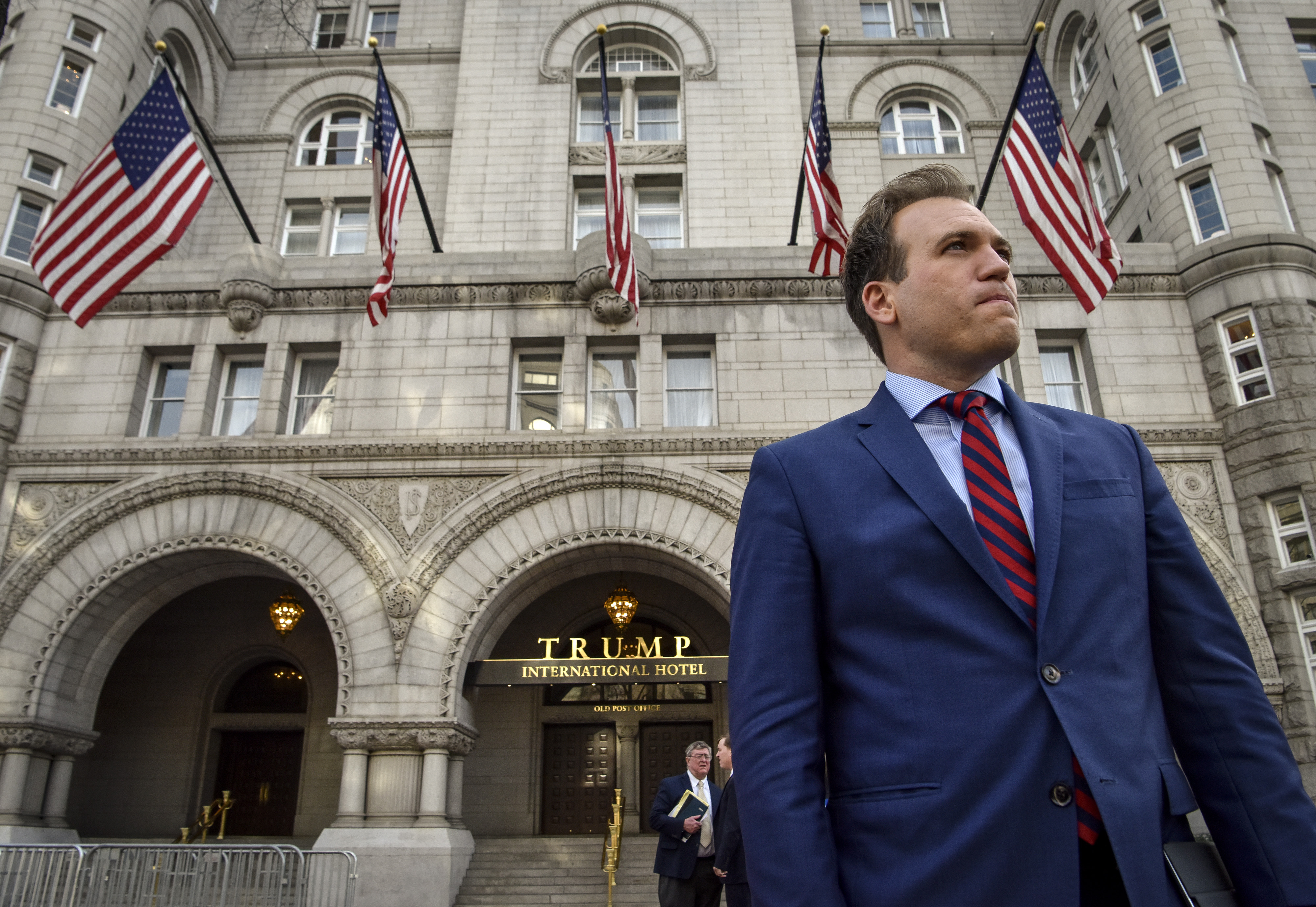
The Humanitarian Crisis in Gaza and the Role of Johnnie Moore
The humanitarian crisis in Gaza has become a focal point for global attention, with reports highlighting the dire conditions faced by its residents. Children are dying from malnutrition, and over 1,000 Palestinians have lost their lives while attempting to access aid. According to the United Nations World Food Program, one-third of Gaza’s population is not eating for multiple days in a row. This situation has prompted condemnation from more than 30 countries, including Israel's allies, who have criticized the "drip feeding of aid" and the inhumane treatment of civilians.
A Controversial Aid Organization
Amid this crisis, the Gaza Humanitarian Foundation (GHF) has taken on a central role in distributing aid. However, the organization has been met with controversy since it began managing aid distribution in May. Its first executive director, Jake Wood, resigned after just a few weeks, citing Israeli interference in operations. The UN had established 400 distribution sites in Gaza, but GHF reduced this number to just four, leading to long lines and many Gazans leaving empty-handed.
Violence at these aid sites has also raised concerns. American contractors, armed with live ammunition and stun grenades, guard the food alongside Israeli forces, who have opened fire on crowds waiting for aid. Israel denies responsibility, blaming Hamas for the violence. Prime Minister Benjamin Netanyahu has claimed there is “no starvation” in Gaza.
The Man in Charge: Johnnie Moore
At the helm of the GHF is Rev. Johnnie Moore, a public relations professional with little experience in humanitarian aid. Moore is an evangelical leader with a long history in Republican politics. He graduated from Liberty University, founded by Jerry Falwell, and worked in communications for the institution. He later ran a PR firm that was acquired by a larger company, working with clients such as Marriott Hotels and Focus on the Family.
Moore served as an evangelical adviser to President Trump during his first campaign and prayed with him in the White House. He has held various government roles, including advising on promoting religious freedom globally. His deep ties to the Trump administration and support for Israel have positioned him in this new role as a humanitarian.
Navigating the Crisis
Moore has taken on a media tour, leveraging his PR expertise to shape public perception. He claims the Gaza Humanitarian Foundation is being targeted by conspiracy theories promoted by the United Nations, which he argues seeks to hoard aid. He also accuses Hamas of spreading misinformation about the humanitarian situation in Gaza.
Regarding the deaths of Palestinians, Moore acknowledges the tragedy but asserts that the IDF has taken responsibility for incidents where people were shot while queuing for aid. He claims Hamas has attacked GHF employees and Palestinians seeking aid, though he says they have not taken responsibility for those actions. Moore argues that more people are being killed trying to access UN aid than GHF aid, though this claim is disputed.
Convincing the Right Audience
Moore’s message resonates with a specific audience—Israel supporters in the United States who are alarmed by the humanitarian crisis but want reassurance that Israel and the U.S. are not responsible for civilian suffering. He presents a narrative that aligns with their views, emphasizing that the U.S. and Israel are doing the right thing while other aid groups are failing.
While some may question why someone without deep humanitarian experience leads this effort, Moore’s role is to defend the U.S. and Israel, a task that is unusual for an aid organization. His charisma and ability to connect with audiences make his message compelling, even if it is controversial.
A Unique Approach
The GHF has stated that it operates independently and has pushed for more aid and cooperation from the UN. They claim that with greater collaboration, more distribution sites could be opened, and they are advocating for safety improvements from the Israel Defense Forces. The foundation also notes that crowd crushes and tramplings have occurred at UN-run sites.
This unique approach highlights the complexities of the humanitarian crisis in Gaza and the challenges faced by organizations like the GHF. As the situation continues to evolve, the role of individuals like Johnnie Moore remains a subject of intense scrutiny and debate.

Post a Comment for "The man feeding Gaza's survival"
Post a Comment