The Key Differences in GM's LS and LT Engines
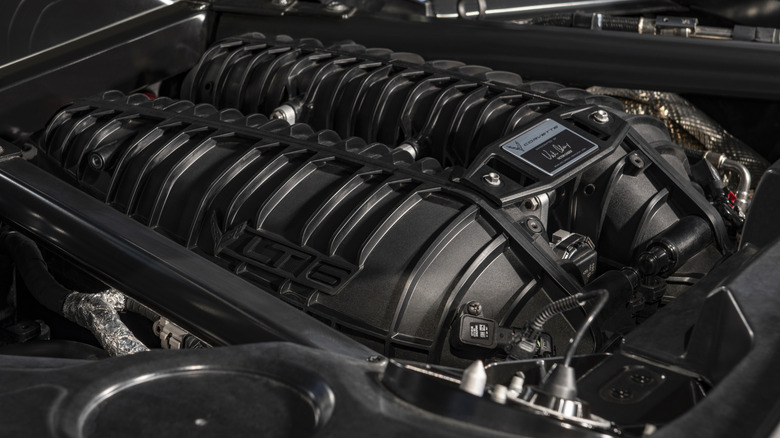
The Popularity of LS-Swapped Cars
The automotive world has seen a surge in the popularity of LS-swapped cars. These V8 engines have become a go-to choice for many enthusiasts because they offer a reliable and cost-effective way to generate significant power. Introduced in 1997 in the C5 Corvette, LS engines have since become widely available, with many secondhand options found at affordable prices. However, it's important to note that GM has moved away from the LS family in favor of the newer LT engines in recent years.
Evolution from LS to LT Engines
The main difference between the LS and LT families lies in their evolution. The LT was developed to meet stricter emissions standards, incorporating advanced technologies not present in the LS. Features such as direct injection, improved dynamic fuel management systems, and enhanced variable valve timing are some of the innovations that set the LT apart. In contrast, the LS is simpler in design but still holds its own in terms of performance.
Power Output Comparison
When comparing the LS3 and LT1 engines, it becomes clear how much power output can vary. The LS3 delivers 430 horsepower at 5,900 rpm and 424 lb-ft of torque at 4,600 rpm. Meanwhile, the LT1 produces 459 horsepower and 462 lb-ft of torque, reaching these figures at 6,000 rpm and 4,600 rpm respectively. This highlights the advancements made by GM in the LT series.
Technology and Costs
Another major distinction between the two engine families is the cost associated with them. While LS engines are readily available in junkyards, LT engines are more specialized. The use of all-aluminum blocks in most LT engines, except for heavy-duty applications, contributes to higher purchase costs. Additionally, the ongoing development of the LT series means that these engines continue to evolve, which can increase their price.
Performance and Installation Challenges
The LT engines also come with unique challenges when it comes to installation. For instance, the absence of a belt-driven power steering pump and the complexity of the direct injection system can complicate retrofits into older vehicles. Although the aftermarket for LT engines is growing rapidly, it hasn't yet matched the extensive support available for LS engines. This can lead to difficulties when sourcing compatible parts for specific applications.
Choosing Between LS and LT
Despite the technological gap, both the LS and LT families offer distinct advantages. The LS remains a top choice for those seeking cost-effective performance. Whether you're searching through a junkyard for a budget-friendly option or building a custom stroker motor, the LS provides endless parts support, proven reliability, and a strong community of tuners and builders who are well-versed in its design.
On the other hand, the LT represents GM's vision for a modern V8. It features high-efficiency direct injection and runs at higher compression ratios without requiring premium fuel. If your goal is brute force and affordability, the LS continues to be the preferred choice. Many LS engines are celebrated for their reliability and performance.
For those looking for a future-proof, high-efficiency platform with cutting-edge technology, the LT offers an appealing alternative. Both engines are exceptional in their own right, each bringing unique strengths to the table despite their technological differences.

Post a Comment for "The Key Differences in GM's LS and LT Engines"
Post a Comment