The Joy of an Allotment: Feel-Good Living Made Easy
The Benefits of Allotments for Mental and Physical Wellbeing
Allotments offer more than just a place to grow fruits and vegetables. They are powerful tools for improving physical health, mental wellbeing, and fostering social connections. As the National Allotments Week highlights, these small patches of land have significant benefits that extend far beyond the garden.
Connecting with Others
One of the most valuable aspects of allotments is their ability to bring people together. Gardening expert Kim Stoddart, author of The Climate Change Resilient Vegetable Garden, has seen this firsthand through her community garden project in Ceredigion, Wales. She notes that during the pandemic, many volunteers struggled to connect with others. However, community gardens provide a space where people can form meaningful relationships.
“Communities bring people together and gardens bring people together,” says Stoddart. “They are important social hubs that can help with socialization, alleviate loneliness, and reduce anxiety.”
Promoting Healthy Eating Habits
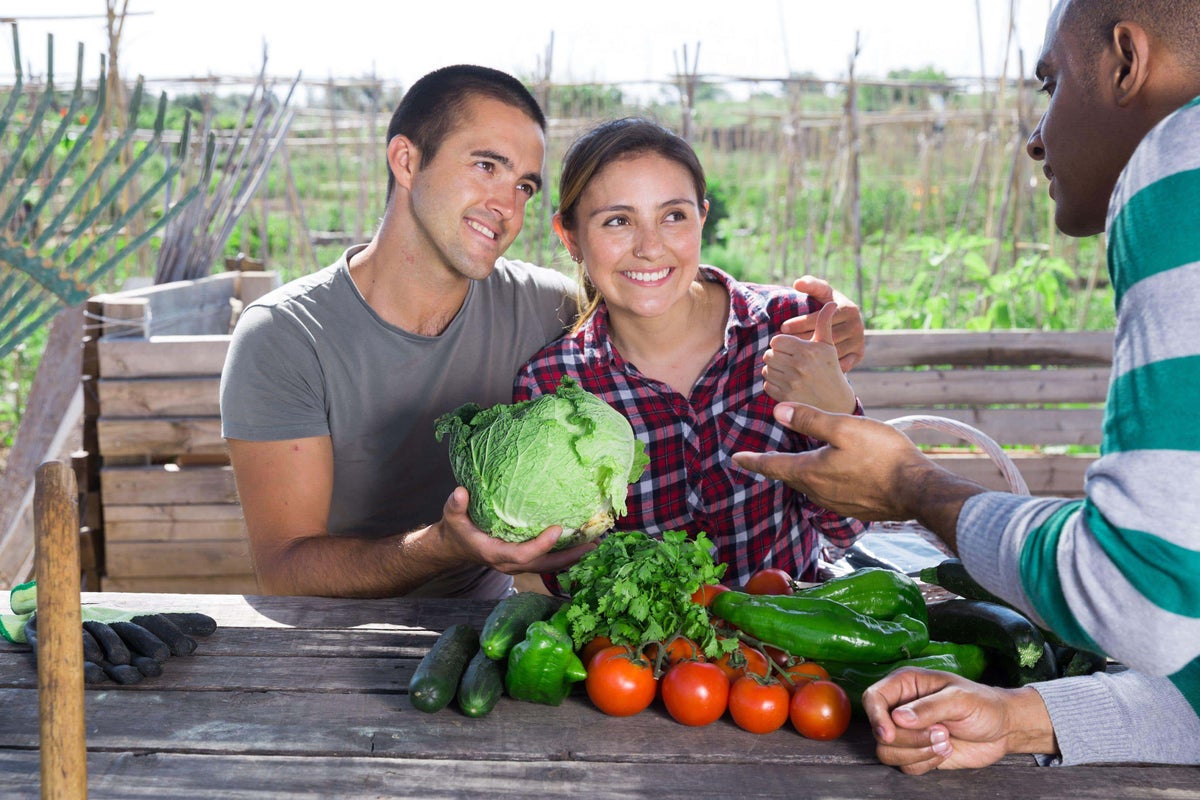
Allotments also encourage healthier eating habits. According to Thrive, a gardening for health charity, a well-managed allotment can provide enough fresh produce to supplement a family’s weekly grocery shop. Growing food organically gives individuals a sense of control over what they eat and how it is grown.
“This promotes a sense of fulfillment and satisfaction,” the charity adds. Knowing the effort that goes into growing your own food can inspire a deeper appreciation for healthy eating.
Reducing Gardening Guilt
Many people feel guilty about their gardening efforts, especially when comparing themselves to idealized images of gardens seen on television. Stoddart explains that this is common among gardeners who feel they aren’t doing enough.
However, she emphasizes that the therapeutic value of allotments is immense. “Our gardens and community spaces need to be nurturing right now to help us cope with things happening in the world,” she says.
Encouraging Acts of Kindness
Allotments also foster kindness and generosity. Stoddart mentions the tradition of bartering and exchanging produce within the community. Small acts of kindness, such as sharing cuttings or surplus plants, can create a sense of connection and positivity.
“It feels nice to engage in that way,” she says. “It’s down-to-earth, grounded, and hopeful.”
Supporting Health and Rehabilitation
Beyond social and emotional benefits, allotments contribute to physical health. Activities like digging and raking provide aerobic exercise, which is beneficial for overall fitness. For individuals with illnesses, being outdoors in sunlight can increase vitamin D levels and lower blood pressure.
Additionally, allotments can aid in rehabilitation by improving speech, cognitive, and motor skills for those with debilitating conditions.
Inspiring Creativity Through Recycling
Allotments also promote creativity and sustainability. Turning waste materials into useful garden items, such as old welly planters or broken pots used as rockery displays, can give a sense of accomplishment.
Stoddart shares an example from her community garden, where rubble was repurposed as mulch to protect plants during heatwaves. Old windows were used as cold frames to extend the growing season.
Saving Seeds for the Future
Seed-saving is another valuable practice associated with allotments. Stoddart explains that saving seeds connects gardeners with the natural cycle of growth and helps build resilience in future crops.
“Saving seed is a way of creating more resilient plants,” she says. “It also saves money and gives a sense of control over what you grow.”
For example, lettuce, tomatoes, rocket, and radishes are all easy to save and can thrive in various conditions. During heatwaves, seeds from resilient crops can be saved for future planting.
A Growing Movement
National Allotments Week, which runs from August 11-17, celebrates the many benefits of these green spaces. Whether it's for health, community, or environmental reasons, allotments continue to play a vital role in modern life. Their impact extends far beyond the soil, offering a path to a more connected, healthy, and sustainable future.

Post a Comment for "The Joy of an Allotment: Feel-Good Living Made Easy"
Post a Comment