The Hidden Truth About the Online Femboy Culture
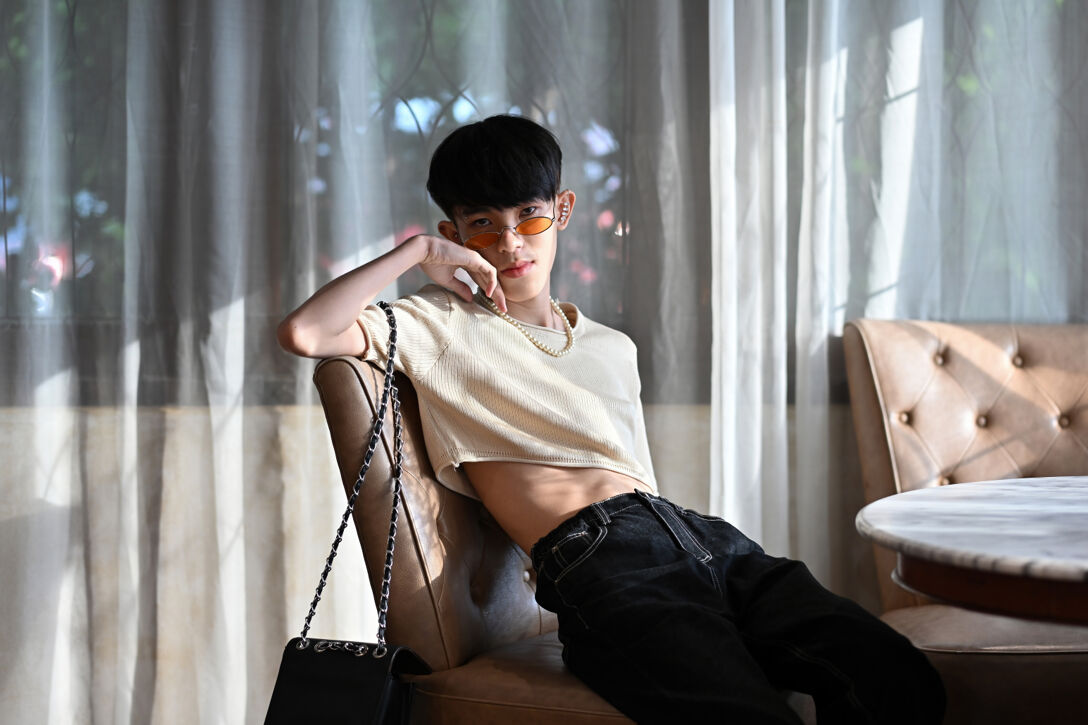
The Rise of Femboys on TikTok and the Hidden Fascist Influence
TikTok has played a significant role in bringing various subcultures into the mainstream. From the dance trend known as dwerking to the Yeehaw challenge, the app has made it easier for people to discover and engage with unique online communities. However, while social media platforms like TikTok have provided exposure, they also come with their share of challenges. One such issue is the growing concern about the darker aspects of certain communities, including the femboy culture.
Femboys are typically young cis men who dress in kawaii (cute) outfits that are traditionally associated with young girls. While this might seem harmless at first glance, there's a complex overlap between the femboy and trans communities. Some trans women, for instance, may explore their identity by dressing as femboys before coming out. Even those who identify as straight and cis often find themselves part of a broader LGBTQ+ community due to the shared experiences and cultural exchanges.
Despite these connections, the rise of femboy culture on TikTok has also brought attention to some troubling issues. A recent discussion by a trans TikToker named Sabre highlights the disturbing overlap between femboys and far-right ideologies. This connection, according to Sabre, is largely influenced by 4chan culture, which has long been a hub for individuals who are extremely active online.
The Role of 4chan in Shaping Online Communities
In the early 2000s, being a femboy was a very niche subculture on the internet. Back then, online forums like 4chan were essential spaces where people could connect with others who shared similar interests. These platforms were especially important for trans individuals who found support and community before the broader awareness of transgender issues in the 2010s.
However, 4chan has also been a breeding ground for extreme ideologies. It has attracted a significant number of angry young men who are drawn to fascist ideas. As a result, there has been an unfortunate overlap between the femboy community and these far-right groups. Sabre explains that through the sharing of "ironic" memes and other content, these two communities began to merge over time.
This merging has led to some concerning outcomes. For example, some fascists have used femboys as a way to practice dating, as they often feel uncomfortable around women. The approachable nature of femininity offered by femboys can make them targets for manipulation and exploitation.
The Broader Implications
It’s important to note that not all femboys are involved in these ideologies. However, when certain creators use subtle signals or dogwhistles that align with far-right beliefs, it raises red flags. This issue isn’t limited to the femboy community alone. As Sabre points out, there is a growing presence of fascism across various online spaces, especially within the queer community.
Some commenters have highlighted that the femboy community often centers whiteness and thinness as ideals, which can align with certain aspects of fascist ideology. Others have shared personal stories about friends or ex-partners who fell into this space and later adopted problematic views.
What Can Be Done?
The best approach when encountering individuals spreading fascist ideologies is to block, report, and disengage from their content. While it’s impossible to change everyone’s perspectives, taking these steps can help prevent the spread of harmful ideas.
As online communities continue to evolve, it’s crucial to remain vigilant and aware of the potential influences that shape them. By staying informed and supporting positive, inclusive spaces, we can help create a safer and more welcoming environment for everyone.

Post a Comment for "The Hidden Truth About the Online Femboy Culture"
Post a Comment