The Hidden D-21 Drone and Operation Senior Bowl
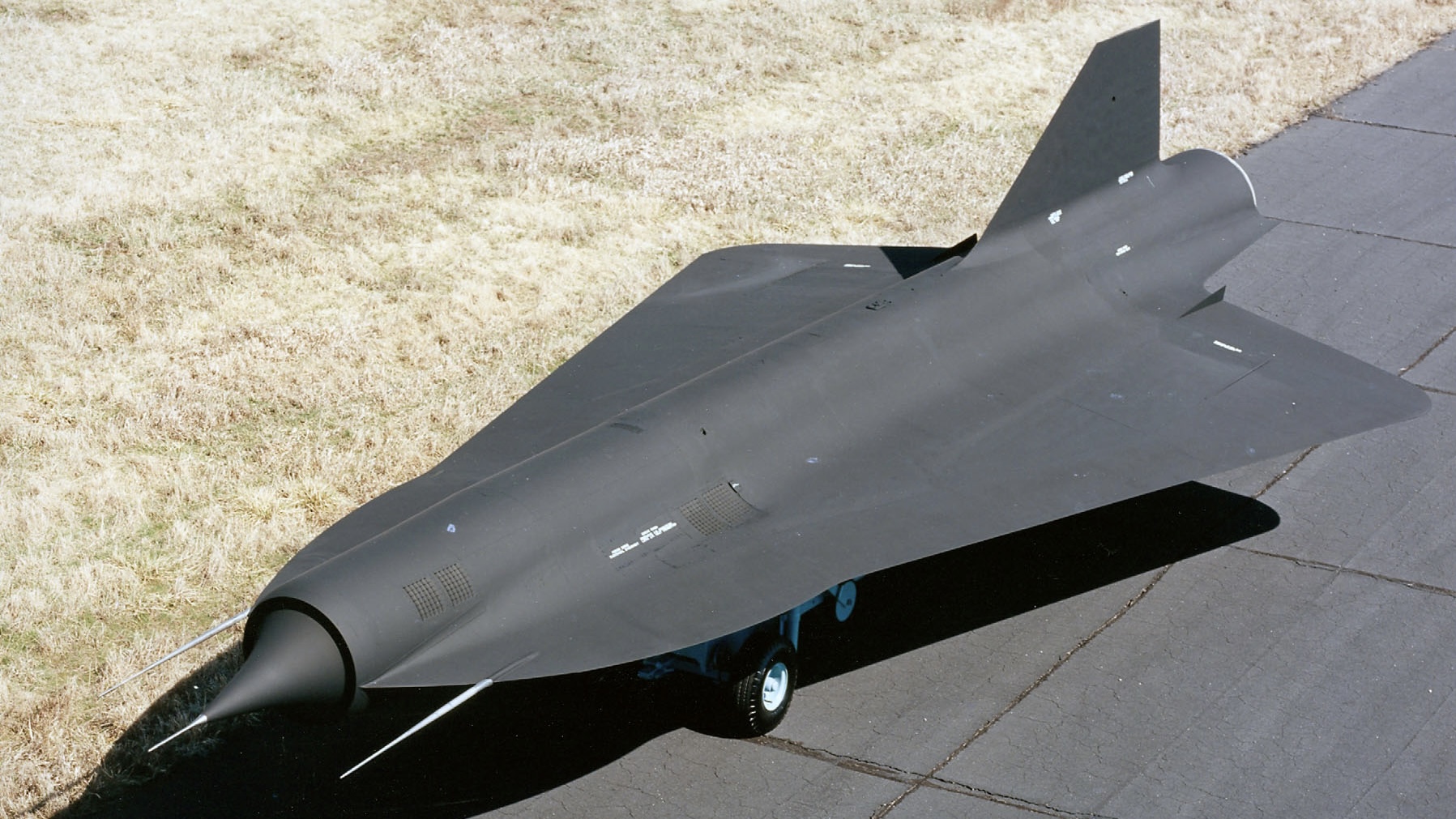
The D-21 Drone: A Cold War Innovation That Never Fully Took Off
During the height of the Cold War, the United States sought advanced technologies to gain an upper hand in intelligence gathering. One such project was the D-21 drone, a high-speed, unmanned reconnaissance aircraft designed to eliminate the need for manned overflights. While it showed promise, the program faced numerous challenges and ultimately failed to achieve its intended goals.
Origins of the D-21 Program
The U-2 incident in 1960, when a Lockheed U-2 spy plane was shot down over the Soviet Union, marked a turning point in aerial reconnaissance strategies. President Dwight D. Eisenhower halted all manned overflights of the Soviet Union, prompting the need for a more secure and stealthy alternative. This led to the development of the A-12, a Mach 3 aircraft designed by Lockheed's Skunk Works, but it remained a manned platform.
As concerns about the vulnerability of manned flights grew, the U.S. military and CIA began exploring the possibility of an unmanned solution. Clarence “Kelly” Johnson, the head of Skunk Works, was tasked with designing a drone that could operate at high altitudes and speeds while avoiding detection.
Design and Capabilities of the D-21
The D-21 was conceived as a highly advanced reconnaissance drone. It featured a manta ray-shaped body constructed from titanium and composites, allowing it to reach speeds of Mach 3.3 and altitudes of up to 95,000 feet. Its design included a detachable payload hatch equipped with cameras and guidance systems, which would be retrieved mid-air by a C-130 aircraft using a specialized recovery system.
Powering the D-21 was a modified ramjet engine, originally used on the Boeing CIM-10 Bomarc missile. This provided enough thrust to sustain its high-speed operations. The drone’s stealth characteristics, combined with its range of 3,000 nautical miles, made it an ideal candidate for deep-penetration missions into enemy territory.
Launching the D-21: The M-21 Mothership
To deploy the D-21, Lockheed developed the M-21, a modified version of the A-12. The M-21 served as the mothership, carrying the drone to high altitudes before launching it. The launch process involved a complex sequence of events, including a compressed air separation system and a slight pushover maneuver to release the drone.
However, early test flights revealed several technical challenges. The first successful launch occurred in 1966, but subsequent attempts were plagued by mechanical failures. A critical incident in July 1966 saw the D-21 strike the M-21 during launch, resulting in the loss of both the drone and the mothership. This event led to the cancellation of the M-21/D-21 program.
Transition to the B-52: Operation Senior Bowl
Despite the setbacks, Kelly Johnson believed the D-21 still had potential. He proposed using the B-52 bomber as a safer mothership, leading to the development of the D-21B variant. This version incorporated a rocket booster to help the drone reach operational speed and altitude. The new program, known as Senior Bowl, allowed the B-52 to carry two drones at a time, increasing mission flexibility.
Multiple test flights were conducted throughout the late 1960s, with some successes in retrieving the camera payload. However, operational missions over China faced their own set of challenges. The first operational mission in November 1969 ended in failure, with the D-21 disappearing over China. Subsequent missions also encountered issues, including parachute malfunctions and lost payloads.
The End of the D-21 Program
By 1971, the D-21 program was officially terminated. Several factors contributed to its demise, including political changes under President Nixon, who sought improved relations with China, and the rise of satellite technology, which could perform many of the same tasks more efficiently.
A total of 38 D-21 and D-21B drones were produced, with six D-21s and 34 D-21Bs. Although the program never achieved its intended objectives, it represented a significant step in the evolution of unmanned aerial reconnaissance.
Legacy and Final Notes
An interesting anecdote emerged years later when a panel from a D-21 was presented to Ben Rich, a former Lockheed executive, by a CIA agent. The panel was reportedly obtained from a Soviet KGB agent, who claimed it had been found by a Siberian shepherd. This revelation shed light on the mysterious fate of one of the early drones.
The D-21 drone remains a fascinating chapter in Cold War history, showcasing the ingenuity and ambition of American aerospace engineers. While it did not live up to its initial promise, its legacy continues to inspire advancements in unmanned aerial systems.

Post a Comment for "The Hidden D-21 Drone and Operation Senior Bowl"
Post a Comment