The Harsh Truth: Sanctions, Not Threats, Tame Russia
The Role of Economic Pressure in Ending Conflicts
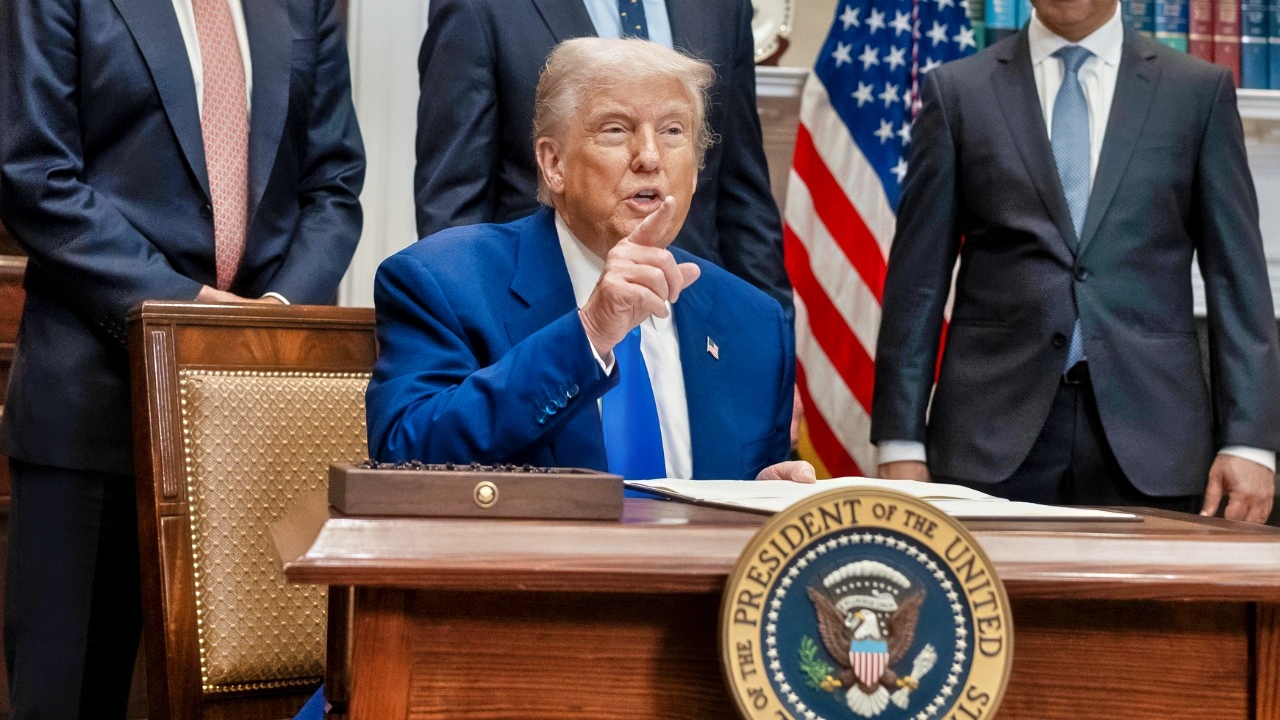
During the NATO Summit in June, Secretary of State Marco Rubio stated that imposing further sanctions on Russia would hinder Moscow’s ability to engage in dialogue to end the war in Ukraine. Since then, President Trump has expressed a willingness to impose tariffs on Russian exports, but with a 50-day delay—now reduced to 10-12 days—to allow Moscow an additional opportunity to negotiate in good faith. However, this approach has not yielded the desired results. The administration's belief that the threat of future economic pressure would compel the Kremlin to change its stance and seek peace has failed to produce meaningful outcomes.
Historically, nations that have launched wars of aggression have often been forced into cooperation due to the need for relief from already-imposed economic pressures. For sanctions and tariffs on Russia’s exports to serve as effective tools for future negotiations, they must first be implemented.
What History Teaches Us
Economic measures have frequently been part of broader coercive strategies, and there is a strong precedent for these tactics leading to consequences for aggressors and the cessation of hostilities. During the Bosnian War, the possibility of sanctions being lifted played a role in the signing of the Dayton Accords, which ended the conflict. Similarly, after the Kosovo War, economic harm caused by a multilateral sanctions regime and restrictions on financial assistance led to the ouster of Slobodan Milosevic and his eventual prosecution for war crimes at the Hague.
In contrast, President Trump’s announcement of a 50-day delay in enacting economic restrictions on Russia was met positively by Moscow, as evidenced by a surge in the Russian stock market. This reaction suggests that the delay may have sent the wrong message to Moscow, offering no incentive for it to reconsider its actions.
The View From Russia
Moscow’s firsthand experience with economic disruptions impacting military interventions occurred during the Soviet invasion of Afghanistan. In response to the deployment of Soviet troops, the U.S. imposed a trade embargo, paused technology transfers, and halted arms control negotiations with the USSR. American diplomats during the 1980s made it clear that the Soviet Union could expect relief only after withdrawing its forces from Afghanistan.
Today, as Putin continues to bomb civilians and pursue maximalist war aims, preemptively withholding pressure signals a lack of resolve and offers Moscow no incentive to end its war.
The State of Russia's Economy
Russia’s current economic standing presents a unique opportunity to increase pressure on Vladimir Putin without expending significant U.S. resources. Moscow’s Sovereign Wealth Fund, used to finance its war effort, is at risk of being depleted. As costs and default risks rise, Russian financial institutions are facing a debt crisis. At the St. Petersburg Economic Forum, the country’s Economic Development Minister warned of a potential recession if the economic situation continues to deteriorate.
At a time when Russia needs access to new capital, implementing sanctions and tariffs that undermine the Russian war machine could be the quickest path to diminishing Putin’s imperial ambitions.
A Look to Kissinger...
The importance of economic pressure in negotiations was not lost on Henry Kissinger, who served as Secretary of State and National Security Adviser. Despite reservations about the broad use of economic sanctions, he acknowledged their necessity when dealing with Moscow. In 1982, Kissinger supported sanctions against a planned pipeline between Western Europe and the Soviet Union, noting that the approach would provide leverage for the U.S. to encourage “restrained international conduct” from the Kremlin. Years later, he emphasized the suitability of sanctions for Russia over its aggression towards Ukraine, stating, “With Russia being weak, sanctions are, of course, a normal weapon.”
The Path Forward
“Strength is essential to negotiate successfully and protect our interests. If we're weak, we can do neither,” President Reagan said in 1984 when discussing relations between Washington and Moscow. To convince the Kremlin to abandon its war aims, President Trump and Secretary Rubio must raise the costs of invading Ukraine for Russia. Secretary Rubio has experience in advocating for this approach.
After President Putin seized Crimea in 2014, then-Senator Rubio publicly called for the U.S. to levy severe sectoral sanctions on Moscow’s energy industry, noting that the U.S. “must never allow our desire for peace to lead us into weakness or inaction.” Ukraine and its partners are asking the U.S. for the same commitment today.

Post a Comment for "The Harsh Truth: Sanctions, Not Threats, Tame Russia"
Post a Comment