The Ghost of Political Violence Returns to Colombia
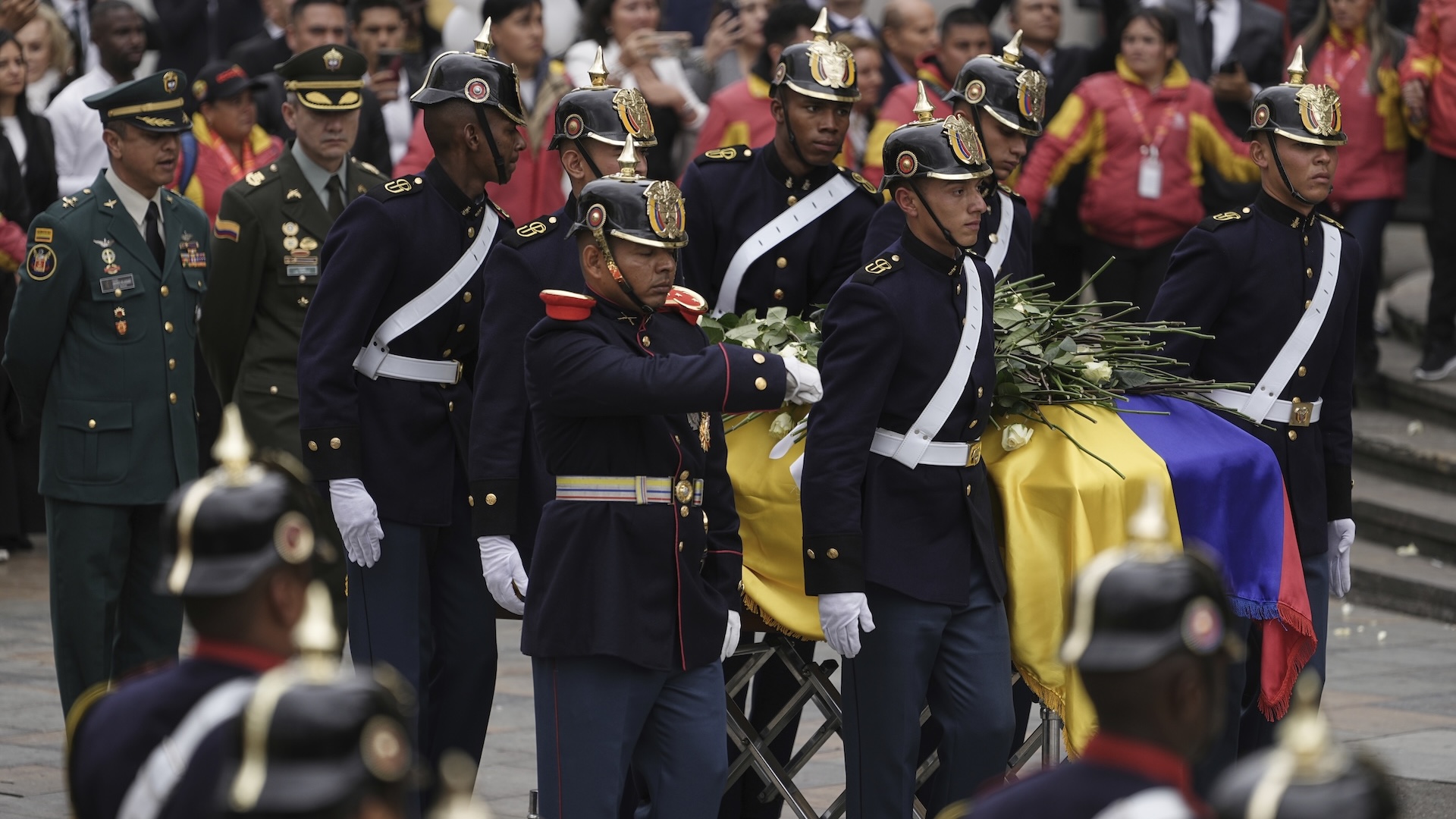
The Tragic Death of a Colombian Senator and Presidential Candidate
Miguel Uribe Turbay, a prominent Colombian senator and presidential hopeful, died last week after being shot during a campaign event in Bogota. He had been critically injured two months earlier when a 15-year-old suspect allegedly fired at him twice in the head and once in the leg. Despite undergoing multiple surgeries, Uribe succumbed to his injuries on August 11. His death has sent shockwaves through Colombia, a country already grappling with political tensions as it approaches next year's presidential election.
This tragic event is part of a broader pattern of political violence across the Western Hemisphere. Recent high-profile assassinations and attempts against political figures have largely fallen into two categories: acts by individual actors driven by personal grievances or mental illness, and attacks orchestrated by organized crime groups or corrupt networks.
Political Violence in the Western Hemisphere
In 2018, Brazilian politician Jair Bolsonaro was stabbed during a campaign rally by a lone attacker. In 2022, former Argentine President Cristina Fernandez de Kirchner survived an assassination attempt when a gun misfired. Then, in 2024, Donald Trump was shot at a campaign rally, resulting in one fatality. These incidents highlight the growing threat of political violence from individuals operating independently.
On the other hand, attacks involving organized crime have often been more successful. In 2021, Haitian President Jovenel Moise was killed in an operation involving foreign mercenaries. In 2023, Ecuadorian presidential candidate Fernando Villavicencio was murdered by gunmen linked to organized crime. Similarly, Paraguayan prosecutor Marcelo Pecci was killed while vacationing in Colombia, attributed to transnational criminal groups.
These cases illustrate how organized crime has become a significant force in political violence, often with far-reaching consequences.
Colombia’s Complex Political Landscape
Uribe’s assassination has further deepened the polarization in Colombia. Initial investigations suggest that the attack was likely carried out by a larger network of criminals, possibly including dissident insurgent cells in Venezuela. While authorities believe the teenage suspect was acting for money, the true masterminds behind the attack remain unclear.
The situation is complicated by the ongoing challenges in implementing Colombia’s peace agreement with the FARC guerrilla insurgency. Under President Gustavo Petro, who took office three years ago, there have been efforts to negotiate with splinter factions like Segunda Marquetalia and the ELN. However, these efforts have not yielded results, and security has deteriorated in recent years.
Petro’s government has blamed Segunda Marquetalia for the attack, but the group’s leader was killed in an unrelated ambush by the ELN in Venezuela shortly after Uribe’s death. This complex web of events highlights the difficulties facing Colombia’s leadership.
Historical Context and New Threats
Uribe’s death is particularly significant given the country’s history of political violence. His mother, journalist Diana Turbay, was kidnapped by Pablo Escobar’s Medellin Cartel in 1990 and later died during a botched police rescue. The current mayor of Bogota, Carlos Galan, is the son of a presidential candidate who was killed during the same period. Since the early 1990s, no presidential candidate had been assassinated until now, marking a troubling return to a dark chapter in Colombian history.
As noted by The Economist, Uribe’s death has exacerbated divisions within the political opposition to Petro. With worsening security and public frustration, it remains uncertain who will represent the rightwing camp in the upcoming elections. Uribe, though not related to former President Alvaro Uribe, inherited the ideological legacy of his namesake.
The Need for Unity and Accountability
Instead of uniting the country against political violence, Uribe’s assassination has intensified polarization. While Petro has attempted to deflect blame, rightwing politicians and media figures have pointed fingers at him for the death of a high-ranking official on his watch.
A critical step forward would be an impartial investigation into the circumstances surrounding Uribe’s murder. Until the truth is known, accusations and fears of further violence will continue to plague political actors.
For Petro’s government, ensuring the safety of candidates running for office should be a top priority. The worst outcome for Colombia would be for Uribe’s killing to become the start of a recurring pattern of political violence. While politics rarely sees unity, protecting democracy and the safety of all politicians must transcend partisan divides.
James Bosworth, founder of Hxagon, has extensive experience analyzing politics, economics, and security in Latin America and the Caribbean.

Post a Comment for "The Ghost of Political Violence Returns to Colombia"
Post a Comment