The Final Reckoning: Not the End of an Era, But Tom Cruise's Last Mission Impossible
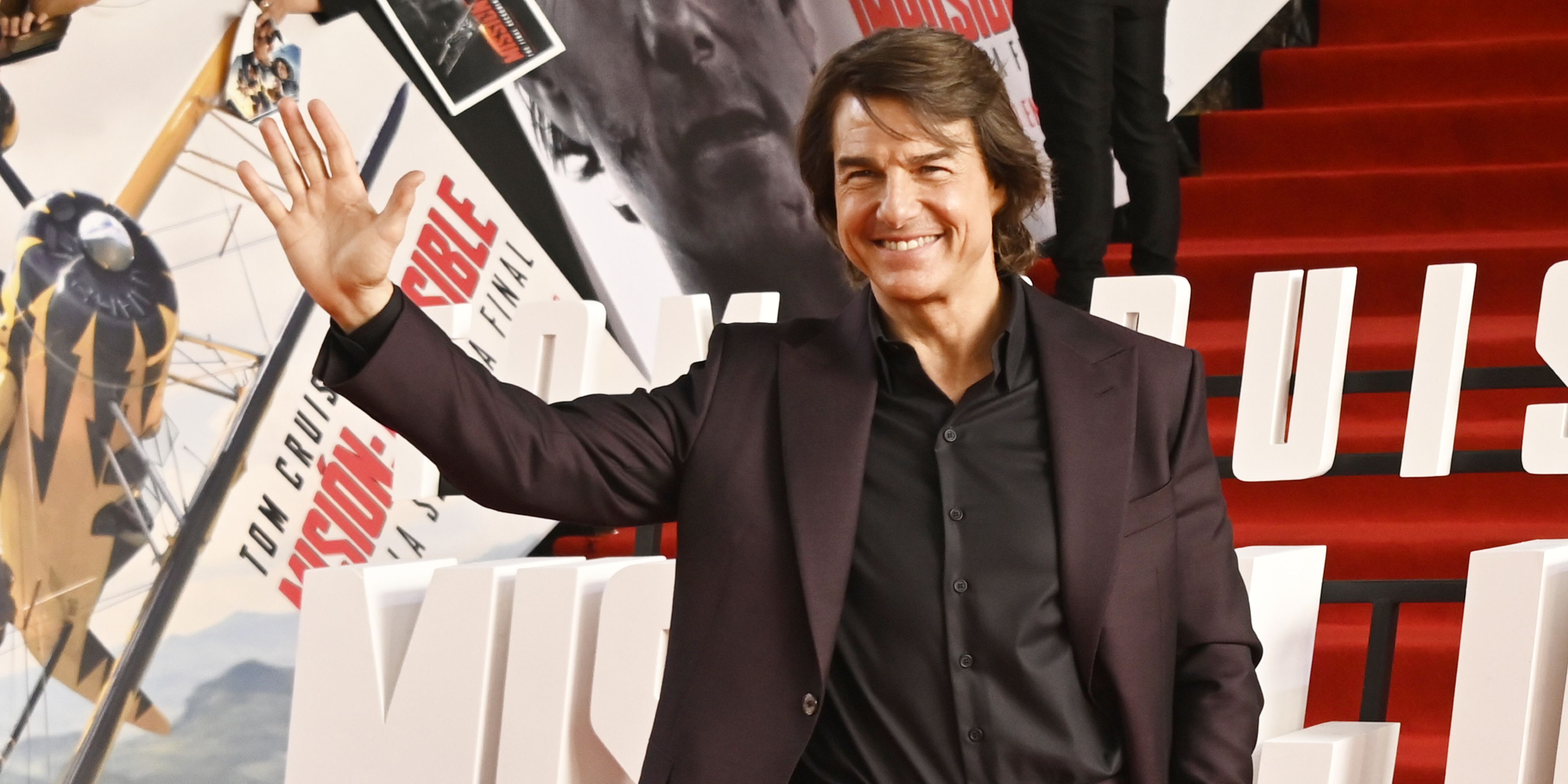
The Evolution of Mission: Impossible
Tom Cruise has been a driving force behind the Mission: Impossible franchise for nearly three decades. Over that time, the series has taken many forms, but in the past ten years, it has had a distinct identity. This change began when Christopher McQuarrie took the helm as director, breaking an unofficial tradition where each film was handed to a new filmmaker. Since then, the franchise has become closely associated with McQuarrie's unique approach to action filmmaking.
The marketing surrounding Mission: Impossible – The Final Reckoning suggests that this era may be coming to an end. While Hollywood’s reliance on intellectual property often makes such claims suspect, there is reason to believe this could be true. Although I don’t think the Mission: Impossible brand is entirely over, the rising costs and diminishing returns, along with the high-stakes nature of The Final Reckoning, make it likely that this version of the franchise won’t return to theaters in the same way again.
This might feel like the end of an era for action films, but it’s not truly the end. What made the last decade of Mission: Impossible stand out wasn’t inherent to the franchise itself, but rather the specific creative approach used in its making. And that creative partnership between Tom Cruise and Christopher McQuarrie is still very much alive.
A Long-Term Collaboration
Tom Cruise and Christopher McQuarrie have worked together since the 2000s. McQuarrie has directed Cruise five times, including the four Mission: Impossible films and 2012’s Jack Reacher. He has also written or produced another five projects featuring Cruise. Their collaboration has defined both of their careers, and their chemistry is evident whenever they appear together on press tours.
McQuarrie was even brought in by Cruise during the production of Mission: Impossible – Ghost Protocol for uncredited rewrites. The two clearly share a vision for their work, and they have developed a process that revolves around mutual interests and creative synergy.
The Mission: Impossible films have served as the primary platform for this collaboration, and at its best, it has delivered some of the most impressive action sequences of the 21st century. For fans, saying goodbye to this era is difficult, but it may actually be beneficial for both Cruise and McQuarrie to move on from the franchise.
New Projects on the Horizon
Despite their work on Mission: Impossible, Cruise and McQuarrie are far from finished. They have been linked to multiple projects in development, and McQuarrie has confirmed that he will direct Cruise in the upcoming film Broadsword. Rumors suggest that Broadsword will be a World War II action movie centered on an American pilot operating behind enemy lines.
According to McQuarrie, the film will feature very little dialogue. He revealed to Happy Sad Confused that Cruise will have fewer than 500 lines in the entire movie. While The Final Reckoning was heavy on exposition, it also included two long, dialogue-free action sequences that highlighted the duo’s growing interest in visual storytelling.
A New Direction
It might be beneficial for the Cruise-McQuarrie partnership to leave Mission: Impossible behind. The final film was occasionally weighed down by the franchise’s history, but when it focused on Cruise’s next death-defying stunt, it reached new heights. It’s exciting to imagine what they might create if freed from the constraints of Ethan Hunt’s legacy.
For Mission fans, there’s no need to despair. The level of action filmmaking that has come to define the franchise isn’t going away—it just might take on a different form. The next project could be wrapped in new packaging, but the quality and innovation that fans have come to expect will remain.

Post a Comment for "The Final Reckoning: Not the End of an Era, But Tom Cruise's Last Mission Impossible"
Post a Comment