The Fibre Truth – How Much You Really Need
The Importance of Dietary Fibre
Fibre is an essential component of a healthy diet. While it's true that many people need to increase their fibre intake, the current trend known as "fibremaxxing" has taken this advice to an extreme. This movement encourages consuming extremely high amounts of fibre in the name of wellness, often at the expense of other important nutrients.
In the UK, the National Health Service (NHS) recommends that adults consume at least 30g of fibre per day. Children and teenagers typically require less. However, most Britons fall short of this target. One major factor contributing to this shortfall is the increasing consumption of ultra-processed foods (UPFs). These foods make up over 54% of daily calories for UK adults, and nearly 66% for teenagers.
Ultra-processed foods are generally low in fibre and micronutrients but high in sugar, salt, and unhealthy fats. When these foods dominate the diet, they push out naturally fibre-rich whole foods. Studies have shown that as UPF consumption increases, so does the decrease in fibre and other essential nutrients. This leads to a population that is significantly under the recommended daily fibre intake.
Benefits of a High-Fibre Diet
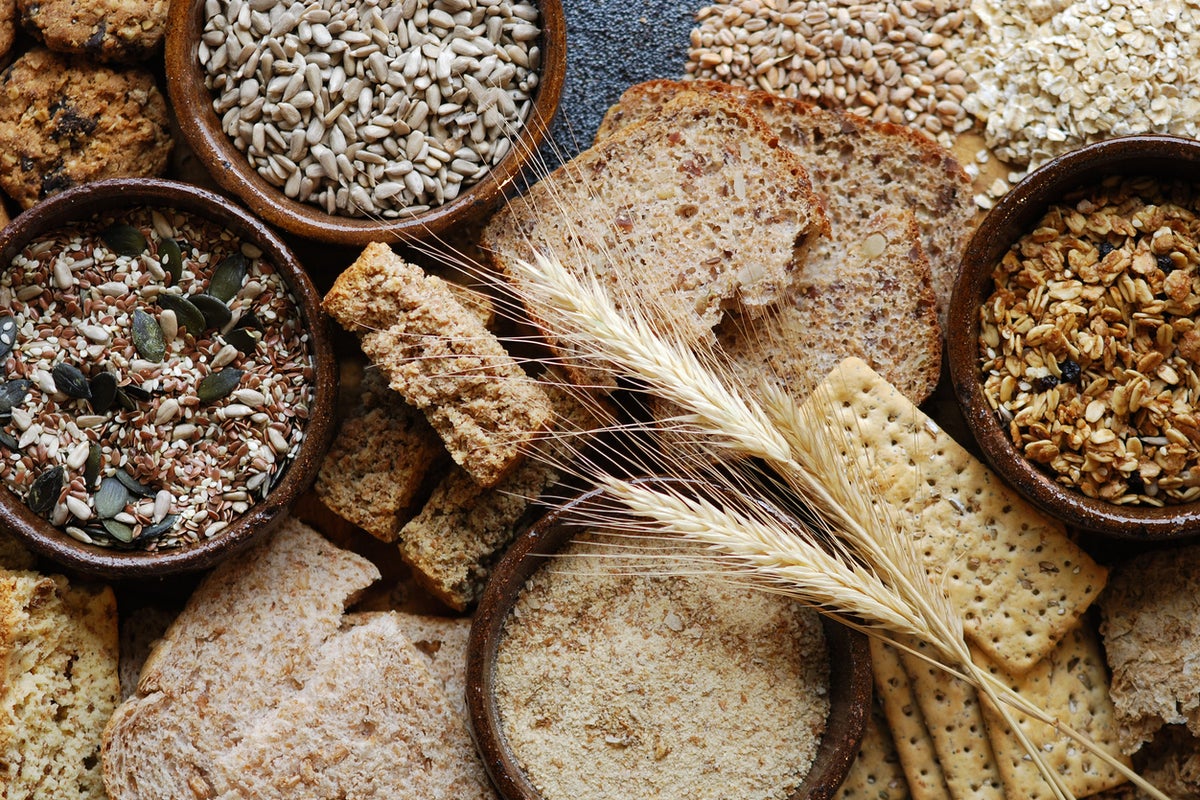
Dietary fibre plays a crucial role in maintaining good health when part of a balanced diet. It is best obtained from natural plant-based sources. Incorporating high-fibre foods into meals and snacks throughout the day can help individuals meet their daily requirements. For example, choosing wholegrain bread for breakfast, keeping the skin on fruits like apples, adding lentils and onions to a chilli meal, and snacking on pumpkin seeds or Brazil nuts can all contribute to meeting the 30g-a-day goal.
However, the fibremaxxing trend presents potential risks. Some advocates suggest consuming between 50 and 100g of fibre a day, which is significantly higher than the recommended amount. This approach involves removing other food groups such as proteins, carbohydrates, and fats, and replacing them with fibre-dense foods, supplements, or powders. While there are no robust studies on the long-term effects of such high fibre intake, experts warn that excessive fibre can lead to digestive issues.
Risks of Excessive Fibre Intake
Consuming too much fibre too quickly, especially without adequate water, can cause bloating, cramping, and constipation. It may also lead to gas buildup, which can be uncomfortable and inconvenient. Additionally, rapidly increasing fibre intake can interfere with the absorption of essential micronutrients like iron and macronutrients that provide energy for bodily functions.
Despite these risks, increasing fibre intake offers numerous health benefits. It supports a healthy digestive system by promoting regular bowel movements and reducing the risk of inflammatory bowel disease. Soluble fibre helps regulate blood sugar levels by slowing glucose absorption, making it beneficial for those at risk of type 2 diabetes. It also lowers LDL cholesterol, reducing the risk of heart disease.
Fibre keeps individuals feeling full for longer, aiding in weight management and appetite regulation. Research has also linked a high-fibre diet to a lower risk of certain cancers, particularly colon cancer, by helping the body eliminate toxins efficiently.
Finding Balance in Fibre Consumption
While fibre is vital for health, more is not always better. It is important to increase fibre intake gradually through a balanced, varied diet rather than relying on supplements or powders. Natural sources such as whole grains, vegetables, nuts, and seeds are the best choices.
Experts recommend sticking to current guidelines and focusing on a well-rounded diet. Social media trends may promote extreme approaches, but balance remains key. By incorporating fibre-rich foods into daily meals, individuals can support their overall health without compromising other essential nutrients.
Lewis Mattin is a Senior Lecturer in Life Sciences at the University of Westminster. This article is republished from The Conversation under a Creative Commons license. The Independent is the world’s most free-thinking news brand, providing global news, commentary, and analysis for the independently-minded.

Post a Comment for "The Fibre Truth – How Much You Really Need"
Post a Comment