The Fed's Hold: Why July's Decision Boosts Small Business
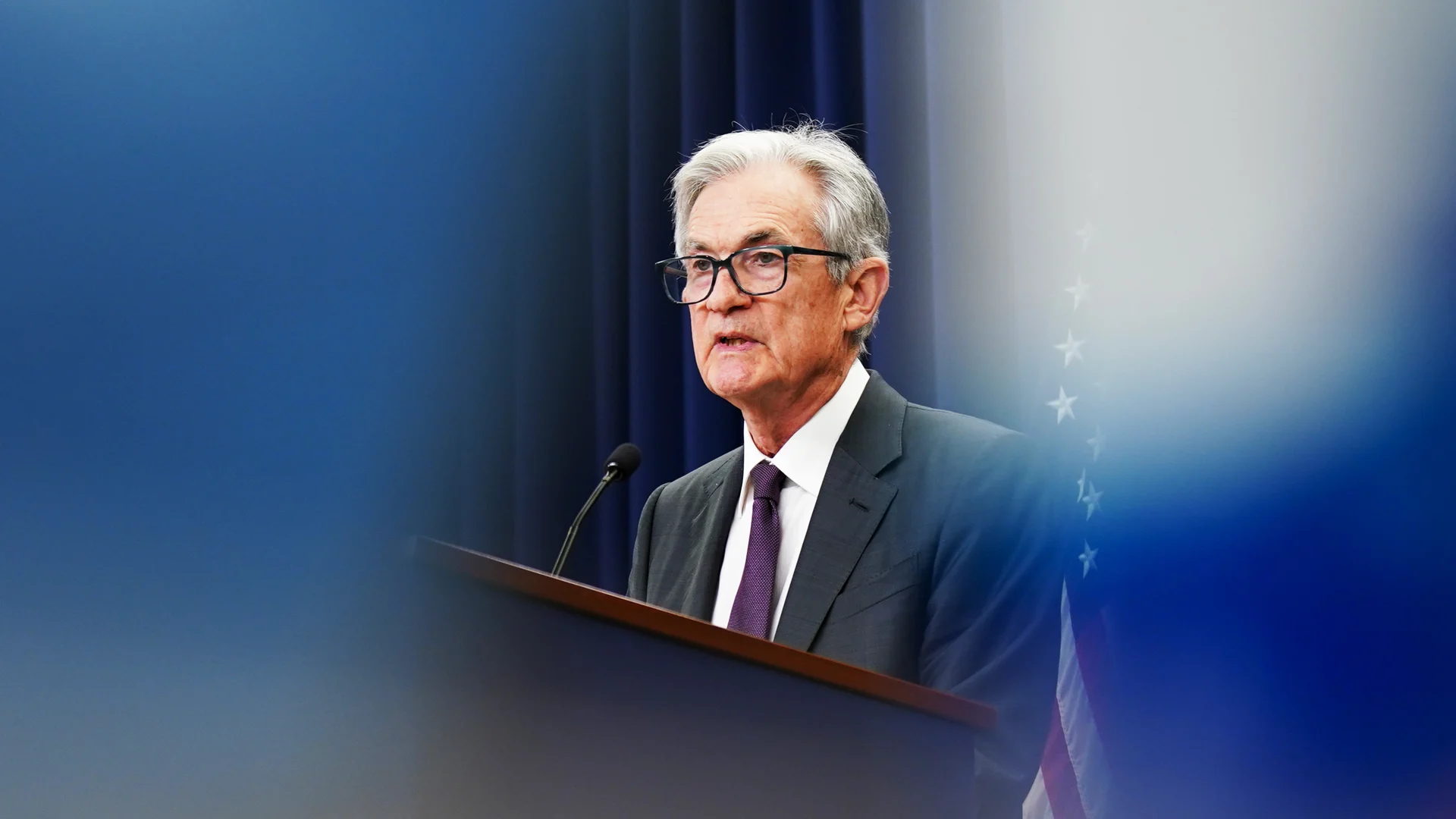
The Federal Reserve's Decision to Keep Rates Steady
The Federal Reserve’s decision to maintain the federal funds rate at 4.25 percent to 4.5 percent has sent a clear message about the state of the economy. After months of speculation and intense public commentary, the central bank confirmed its stance during its July 30th meeting, signaling that it sees no immediate need for further adjustments. This move has had different implications for various sectors, particularly for small businesses and investors.
For Wall Street, the announcement triggered a wave of recalibration as traders now anticipate the next potential rate cut in mid-September at the earliest. However, for Main Street, the significance of this decision lies more in what is not happening than what is. The Fed’s pause in rate cuts reflects broader economic conditions, offering insights into the trajectory of the economy and what business owners can expect moving forward.
Small Rate Changes Have Limited Impact on Small Businesses
It’s important to note that even a modest 25-point basis cut would not have significantly impacted small businesses. On a $100,000 loan, such a reduction would save approximately $250 annually, which is unlikely to influence hiring decisions or capital investment strategies. Moreover, many banks have tightened lending standards for small businesses, and these restrictions are not expected to ease soon, regardless of interest rate fluctuations.
This means that even if the Fed had made a small cut, the financial benefits for small businesses would have been minimal. However, the decision to hold steady also signals positive underlying conditions. The Fed’s caution suggests that the economy is performing well, with growth, employment, and consumer spending remaining stable.
A Cautionary Approach Is a Positive Sign
The Fed’s decision to avoid rate cuts indicates that it does not see a pressing need to stimulate the economy. This stability is a sign that the economy is healthy and does not require intervention. For small businesses, this translates to consistent demand for goods and services, along with strong employment levels. It also suggests that consumers are confident and willing to spend.
Another factor influencing the Fed’s decision is the gradual cooling of inflation. Prices for materials, labor, and shipping have remained relatively stable, reducing the volatility that characterized recent years. This environment allows small businesses to plan more effectively, budget accurately, and grow responsibly without the uncertainty of sudden price spikes.
Premature rate cuts could risk overheating the economy, which is why the Fed’s measured approach is seen as prudent. By maintaining current rates, the central bank is signaling confidence in the possibility of a soft landing, where economic growth remains steady without triggering inflationary pressures.
What Should Small Businesses Do Now?
So, how should small business owners interpret this development? Here are two key considerations:
Don’t Expect Immediate Relief from Lower Rates
Even though lower rates might seem beneficial, they are not likely to be a game-changer for most small businesses. If you’re considering borrowing, shop around and negotiate, but assume that current rates will remain the norm for the foreseeable future.
Embrace the Stability
While a rate cut might have provided short-term relief, the current stability offers a clearer planning horizon. There are no unexpected shocks or boom-bust cycles—just a signal that the economy is on solid footing. This stability allows business owners to make informed decisions without the uncertainty of sudden changes.
Focus on Adaptability and Long-Term Growth
Ultimately, the Fed’s decision to keep rates steady is more of a compass than a catalyst. It highlights the resilience of the economy while emphasizing the importance of vigilance. While a small rate cut might have slightly reduced monthly loan payments, it wouldn’t have transformed the small business landscape.
As always, small businesses should focus on their own ability to adapt, stay lean, and make smart strategic choices. The Fed is not bailing out the economy, but that’s not necessarily a bad thing. It suggests that the economy is strong enough to sustain itself without external intervention.
In the end, the key takeaway is that the current environment provides an opportunity for small businesses to plan, grow, and thrive in a stable and predictable market.

Post a Comment for "The Fed's Hold: Why July's Decision Boosts Small Business"
Post a Comment