The Fall of Apple: Samsung's Smartphone Dominance
The Growing Competition in the U.S. Smartphone Market
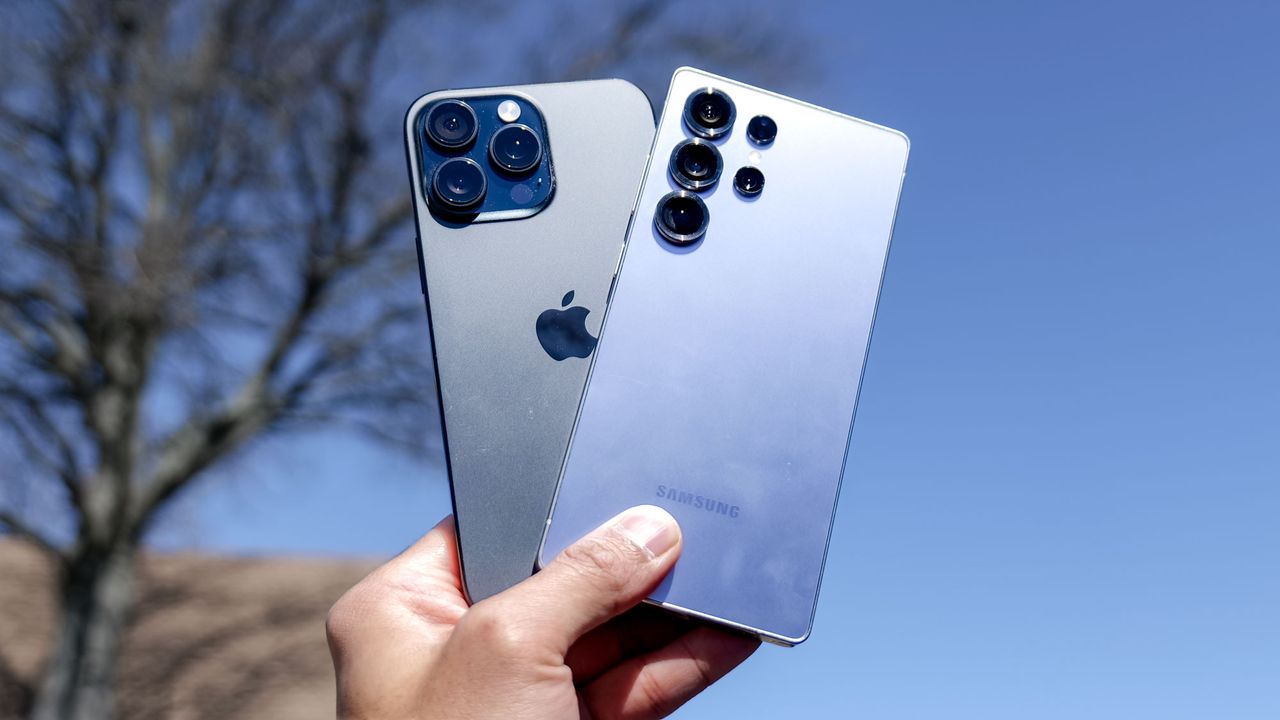
The smartphone market in the United States is witnessing a dramatic shift, with Samsung gaining significant ground against Apple. This change comes as demand for foldable phones continues to rise, offering Samsung an edge that Apple has yet to match effectively. According to recent data from Canalys, Apple's market share in the U.S. dropped from 56% to 49% in the second quarter of 2025, while Samsung’s increased from 23% to 31%. This marks a notable change in the competitive landscape, with Samsung now closing the gap between itself and Apple from 33% to just 18%.
Samsung’s growth in this period can be attributed to its diverse product lineup, particularly the more affordable Galaxy A series, such as the Galaxy A36. These models are helping Samsung attract price-sensitive consumers who might have previously leaned toward Apple. Alongside these budget-friendly options, Samsung's premium devices, like the Galaxy Z Fold 7 and Z Flip 7, have also seen strong interest. Their unique design and durability have generated buzz on social media, highlighting a growing trend in consumer preferences.
Canalys analysts credit Samsung's success to its "smart volume" strategy, which focuses on providing a wide range of products at various price points. Unlike Apple, which tends to offer fewer models at higher price tiers, Samsung’s Galaxy and Z phone lineups span from $650 (Galaxy S24 FE) up to $2,400 (Galaxy Z Fold 7 with 1TB storage). This broad approach allows Samsung to target different segments of the market effectively.
Market Performance and Strategic Moves
Despite the overall U.S. smartphone market experiencing minimal growth—rising from 26.7 million units to 27.1 million units during the same period—Samsung outperformed other manufacturers. The company shipped 8.3 million units in Q2 2025, representing a 38% year-over-year increase. In contrast, Apple saw a decline in shipments, dropping by 11% to 13.3 million units.
Apple still holds the title of the top-selling smartphone brand in the U.S., but its dominance is being challenged. For the first time in over a decade, Samsung is making a serious push to reclaim the top spot. This competition echoes the 2014 period when Samsung introduced larger-screen phones and phablets, while Apple was slower to adapt.
In addition to shifting consumer preferences, Samsung’s performance was also influenced by strategic moves related to tariffs. The company frontloaded inventory into the U.S. market to mitigate potential impacts from trade policies, a tactic that proved effective in boosting sales.
What’s Next for Apple?
As Apple prepares for its iPhone 17 event in September, the pressure is on to regain its market position. This year’s launch promises a major overhaul, with the Plus model expected to be replaced by the ultra-thin iPhone 17 Air. This new model will directly compete with Samsung’s Galaxy S25 Edge, which is currently the company’s thinnest device.
However, recent research from Counterpoint Research suggests that Samsung’s sales only saw a slight increase after the release of the S25 Edge in May. If consumers remain indifferent to Apple’s latest offerings, the company may struggle to reverse its declining market share.
With the smartphone market becoming increasingly competitive, both Apple and Samsung will need to continue innovating and adapting to changing consumer demands. The race for the best smartphones is far from over, and the coming months could determine the future of the U.S. market.

Post a Comment for "The Fall of Apple: Samsung's Smartphone Dominance"
Post a Comment