The Epstein Conspiracy Trump Could Not Twist Away
The Power and Peril of Conspiracy Theories
Conspiracy theories have always been a part of human history, often thriving in times of uncertainty or societal division. These narratives can be compelling because they sometimes contain elements of truth, even if those truths are distorted over time. They resonate with people’s fears and anxieties, reinforcing existing divisions and fostering a sense of us versus them.
In the United States, one of the most prominent figures associated with conspiracy theories is former President Donald Trump. His political career has been deeply intertwined with these ideas, from the birther movement targeting former President Barack Obama to the more recent QAnon conspiracy. These theories tapped into long-standing historical tensions and fears, particularly around race, power, and the influence of the elite.
The Role of Historical Fears
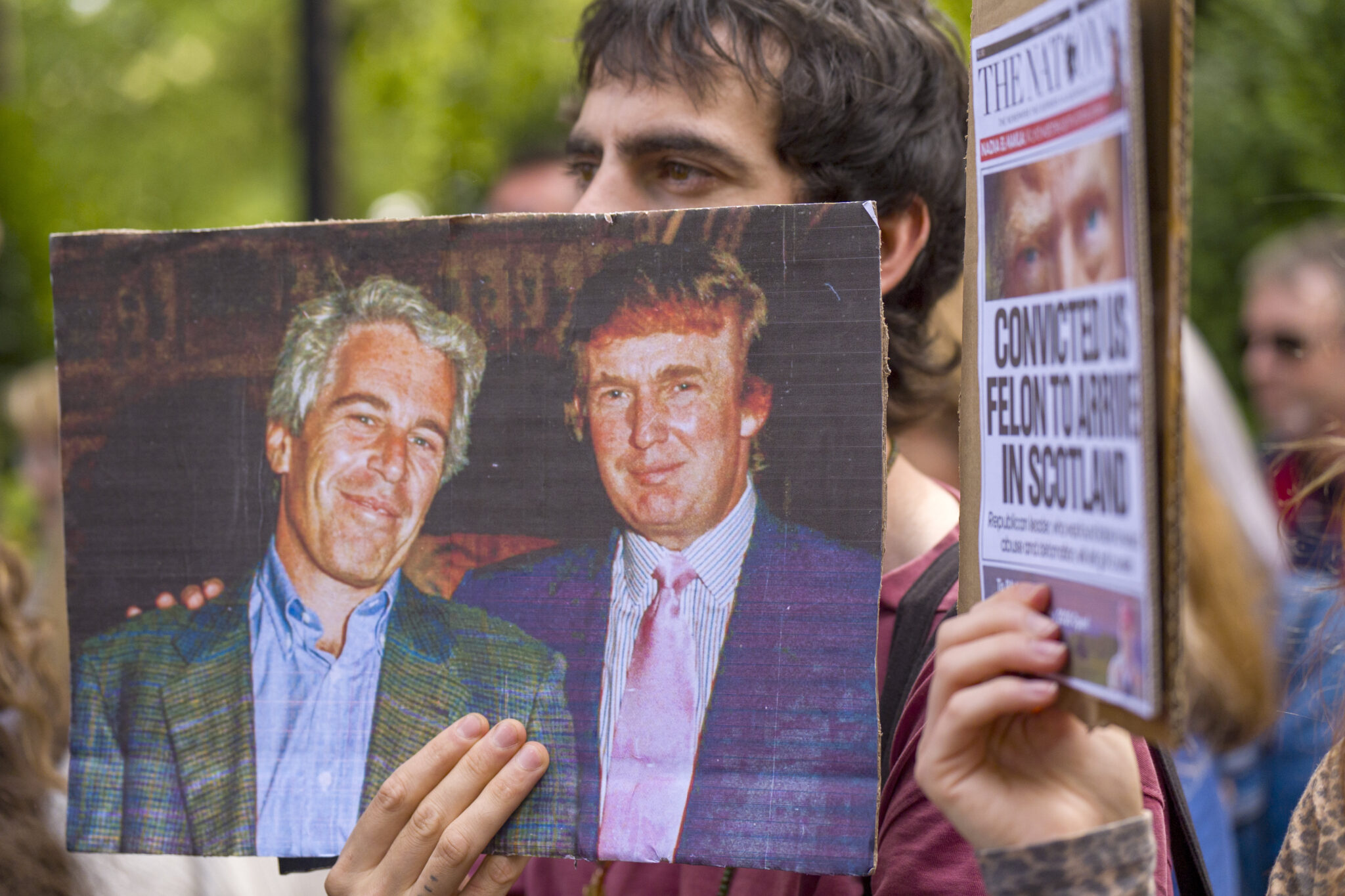
Many of the conspiracy theories that gained traction during Trump's presidency were rooted in real events. For instance, while Obama was born in Hawaii, his Kenyan heritage and his identity as a Black man in a predominantly white country challenged many Americans’ sense of their own place in society. Similarly, the revelations about Jeffrey Epstein’s involvement in child trafficking and the way he allegedly connected with powerful figures, including Trump, fueled beliefs that the elite operate outside the bounds of normal justice.
Epstein’s arrest and subsequent death in 2019 added fuel to these fires. His case became a focal point for conspiracy theories, with some suggesting that his death was not a suicide but a cover-up. This narrative resonated with those who already believed in the existence of a "Deep State" working against the interests of ordinary Americans.
Trump and the Conspiracy Ecosystem
As the 2024 presidential election approached, Trump increasingly engaged with the online conspiracy community. He seemed to enjoy the idea that he might be the anonymous figure known as "Q," who promised to expose a secret network of elites involved in pedophilia. Many of his supporters, especially those aligned with QAnon, viewed him as a potential savior.
Despite the fact that Trump and Epstein had a well-documented relationship, many of his followers continued to believe in the conspiracy theories surrounding the financier. This belief system has remained strong among a core segment of his base, who still hold onto promises that Trump would reveal the truth about events like the assassination of John F. Kennedy or the Deep State.
The Fallout and Political Implications
The current administration has faced pressure to declassify information related to Epstein’s case, but it has resisted, leading to frustration among Trump’s loyalists. Some influential podcasters and social media figures have built their platforms around these theories, further entrenching them in the public consciousness.
This resistance has sparked outrage within Trump’s base, with figures like Tucker Carlson expressing frustration over what they see as a betrayal. There are also signs of tension between Trump and key allies, such as Rupert Murdoch, over how to handle the issue. Meanwhile, Democrats view this as an opportunity to highlight perceived weaknesses in the former president’s support.
The Resilience of Trump's Base
Despite these challenges, Trump remains remarkably resilient. His ability to pivot and refocus on other conspiracy theories, such as those involving Obama and Hillary Clinton, has helped maintain his support. Even when reporting on these claims with skepticism, the media often ends up amplifying them, feeding the fire of misinformation.
In the context of an authoritarian leader, conspiracy theories can be weaponized to attack perceived enemies. This dynamic taps into deep-seated racial and cultural tensions that have shaped American politics for centuries. Trump has mastered the art of using fear and division to consolidate his power, making it difficult for his base to turn on him.
The Broader Implications
The persistence of these conspiracy theories highlights the need for a more nuanced understanding of U.S. politics. The media’s tendency to seek out clear-cut stories, reminiscent of the Watergate era, often fails to capture the complexity of modern political narratives. As a result, the public is left grappling with a landscape where truth and fiction blur.
Ultimately, the power of conspiracy theories should not be underestimated. They have the potential to shape public opinion, influence political outcomes, and deepen societal divides. Understanding their origins and mechanisms is crucial for anyone seeking to navigate the complex world of contemporary politics.

Post a Comment for "The Epstein Conspiracy Trump Could Not Twist Away"
Post a Comment