The Decline of Horror's Middle Class – A Threat to All Film Enthusiasts
The Struggles of the Horror Genre in 2025
The horror genre, long considered one of Hollywood’s most reliable sources of profit, is currently facing a crisis. In 2025, many horror films are failing to perform at the box office, with some completely flopping. This has raised questions about the future of a genre that once seemed as resilient as its iconic characters. The recent failure of M3GAN 2.0, a sequel to the successful 2022 film, highlights the challenges facing the industry.
M3GAN, a sassy psycho-cyborg, was a hit in 2022, grossing $182 million worldwide. Its success was due in part to clever marketing that turned its leading lady’s dance moves into a viral sensation. However, the sequel, M3GAN 2.0, underperformed, earning only $38 million in four weeks. This failure led the head of Blumhouse to admit that they had missed the mark entirely.
This trend is not isolated. Other horror films this year have also struggled at the box office. Blumhouse’s reboot of Wolf Man earned $34 million on a $20 million budget, while the comedy horror film Opus managed just $2 million on a $10 million budget. Even well-received films like Death of a Unicorn and Bring Her Back failed to meet expectations. These results show that even with lean production budgets, the financial returns are disappointing for studios.
On the other hand, there have been some notable successes. Michael B. Jordan’s vampire film Sinners, which cost $100 million to produce, grossed $365 million. Final Destination: Bloodlines and Danny Boyle’s 28 Years Later also performed well, though not as spectacularly. These films suggest that audiences are still willing to pay for horror on the big screen, but the middle ground is disappearing. Either a film is a massive hit or it collapses entirely.
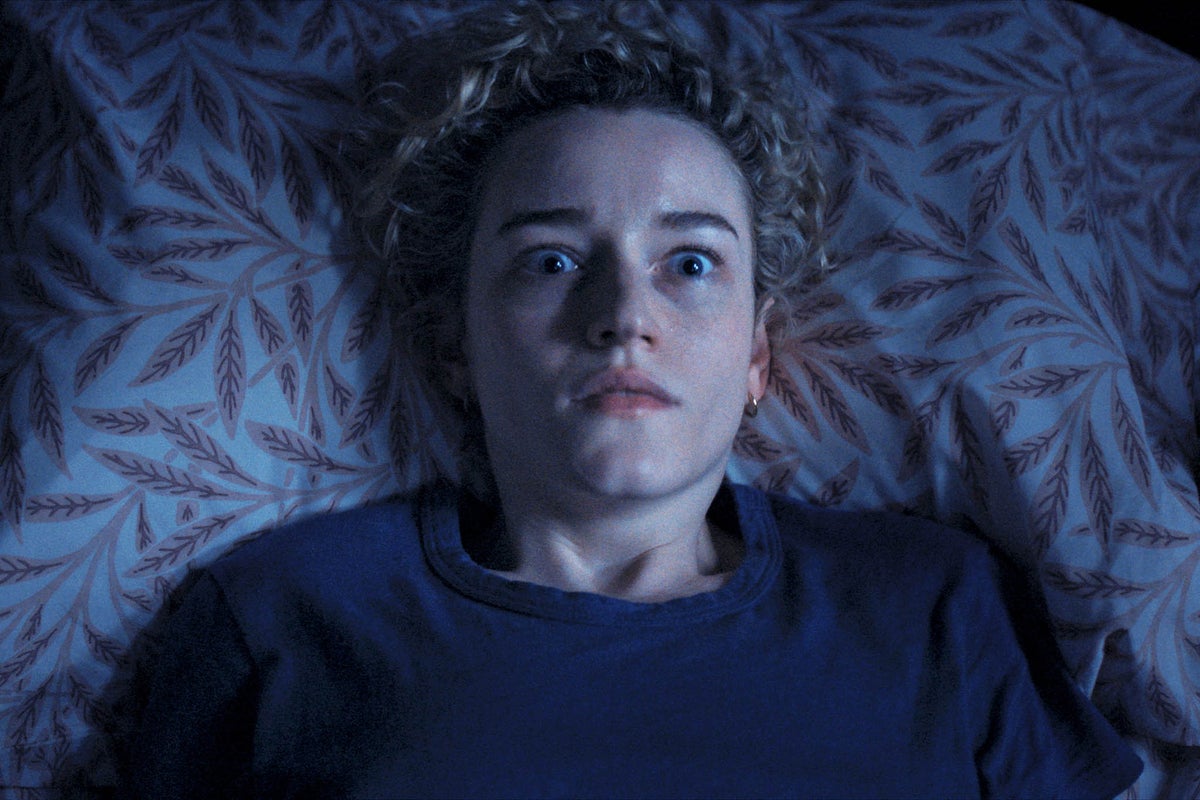
Next week’s release of Weapons carries significant pressure. Starring Julia Garner and Josh Brolin, the film follows the disappearance of children in a small town. It is the follow-up to the 2022 sleeper hit Barbarian. The film received strong promotion, including eerie trailers and the release of two hours of “surveillance footage.” However, the stakes are high, as the film’s performance could influence future investments in original ideas from young filmmakers.
Blumhouse’s Jason Blum suggested that the problem is the sheer volume of horror films being released. He argued that the low-budget films that were once Blumhouse’s bread and butter no longer cut it. Instead, he believes that the genre needs to invest in bigger, more theatrical experiences.
Marketing plays a crucial role in a film's success. The most profitable horror films of 2024, such as The Substance and Longlegs, were transformed into must-see events through effective promotion. However, the quality of the material is equally important. Many modern horror films rely on tired premises and intellectual property rather than fresh ideas. Blumhouse has been criticized for producing films that feel like they were formed from unimpressive elevator pitches.
Despite these challenges, there may be hope. The recent failure of I Know What You Did Last Summer, a slasher pastiche, suggests that simply reusing old IP is not enough. The film failed to deliver on character development and suspense, proving that box-office success requires more than nostalgia.
Hollywood often takes the wrong lessons from its successes. For example, the success of Barbie has led to a wave of toy-themed movies. However, it would be refreshing if the success of Sinners inspired a new wave of expensive, original horror films rather than sequels.
As the horror genre continues to evolve, it remains to be seen whether it can find a balance between big-budget spectacles and original, compelling stories. The future of the genre depends on its ability to adapt and innovate.

Post a Comment for "The Decline of Horror's Middle Class – A Threat to All Film Enthusiasts"
Post a Comment