The Bumpy Road to a Trilateral Summit: An Analysis
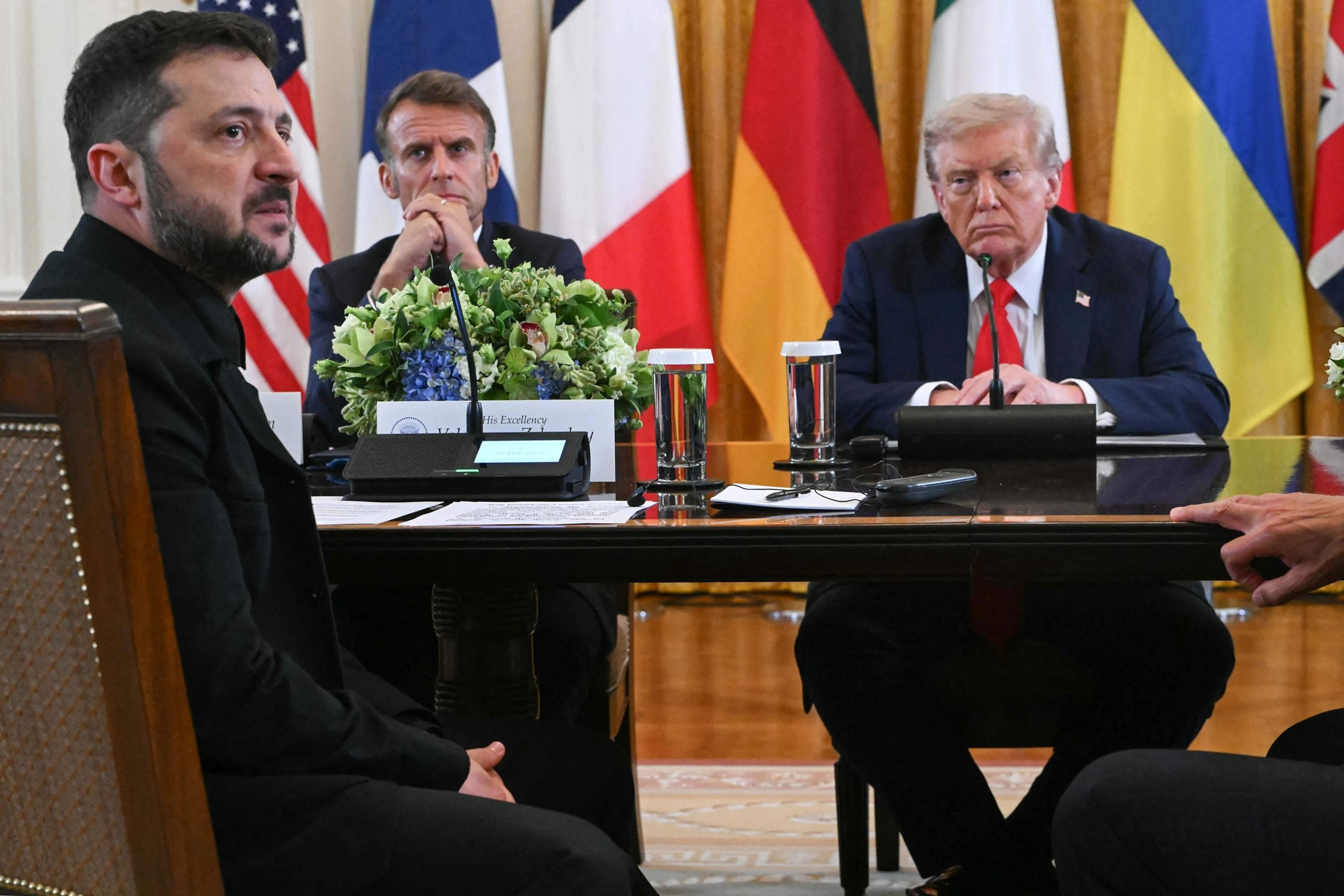
European Leaders and Trump Present Unified Front for Ukraine
European leaders and former President Donald Trump made a concerted effort to appear united during their high-stakes meeting with Ukrainian President Volodymyr Zelenskyy at the White House. The event, which emphasized collaboration between “Team Europe” and “Team U.S.,” saw leaders expressing strong support for Ukraine’s cause.
Finnish President Alexander Stubb described the meeting as a joint effort to assist Ukraine, while other leaders echoed similar sentiments. This tone of unity was reminiscent of Russian President Vladimir Putin’s recent statements, highlighting a shared focus on resolving the conflict.
One significant positive outcome from the meeting was Trump’s firm commitment to the U.S. playing a role in guaranteeing Ukraine’s security if a peace deal with Russia is reached. He stated, “We'll give them very good protection,” during a press briefing alongside Zelenskyy. However, the specifics of this commitment remain unclear, and the details of how the U.S. would support Ukraine are still under discussion.
Russian officials have added complexity to the situation by sending mixed signals regarding the possibility of European troops being stationed in Ukraine as a deterrent. This tactic aligns with the Kremlin’s usual approach of creating ambiguity.
Despite the overall unity among European leaders and Trump, there were signs of disagreement on how to convince Russia to end the war. A key point of contention was Trump’s shift in perspective, suggesting that a ceasefire is not necessary if a comprehensive peace agreement can be achieved. This idea aligns with Russia’s interests, as it allows for more time on the battlefield.
Previously, Ukraine and Europe had been pushing for a ceasefire before any negotiations could begin. However, German Chancellor Frederich Merz proposed a third option: a ceasefire at the moment of a potential trilateral meeting between Putin, Zelenskyy, and Trump. While French President Emmanuel Macron supported this idea, Trump remained unconvinced.
Russian officials have celebrated Trump’s change of heart on the ceasefire issue, viewing it as a win for their position. Another area of potential disagreement was hinted at by Merz, who suggested working together to put pressure on Russia. This was the only indirect reference to sanctions, as no leader used the term explicitly during the meeting.
European leaders believe that pressuring Russia further is essential to achieving a deal that Ukraine can accept. They recognize the importance of U.S. involvement in this process. However, there remains uncertainty about Trump’s stance on this matter.
On Sunday, Secretary of State Marco Rubio indicated that pursuing more serious sanctions against Russia could risk derailing the negotiation process. Merz’s comments were particularly notable, as he expressed caution about the next steps, stating, “The next steps ahead are the more complicated ones.”
Trump has outlined a timeline for the negotiations, emphasizing that he will work with European leaders to finalize security guarantees and then set up a trilateral meeting. After meeting with European leaders and Zelenskyy, Trump announced a call with Putin, indicating progress toward a three-way meeting.
“I called President Putin, and began the arrangements for a meeting, at a location to be determined, between President Putin and President Zelenskyy,” Trump said in a social media post. He added that after that engagement, he would join the two for trilateral talks.
Merz confirmed during a press briefing that the meeting between Trump, Putin, and Zelenskyy may take place within the next two weeks. However, the location has yet to be decided.
“Like all meetings, this meeting must be well-prepared. We will do this together with President Zelenskyy. I have no idea yet what this meeting might lead to. From my point of view, it would be desirable, and more than that, that this meeting would finally lead to a ceasefire in Ukraine,” Merz said.
Merz expressed that his expectations for the White House talks were exceeded. He highlighted the importance of Trump’s announcement regarding security guarantees, which had been a long-standing topic of discussion.
Putin’s demand for the entire Donetsk region appears to be a non-starter for Ukraine. The region has been defended by Ukraine for 11 years, and the sacrifice has been significant. If Putin were to gain control of the Donbas, it would represent a major victory for Russia.
While progress on security guarantees could be significant, a deal on territory remains distant. The risk persists that Putin could continue to mislead everyone, including Trump, without making meaningful concessions.

Post a Comment for "The Bumpy Road to a Trilateral Summit: An Analysis"
Post a Comment