The Budget-Friendly Frog-Faced EV That's Renault's New Baby Brother
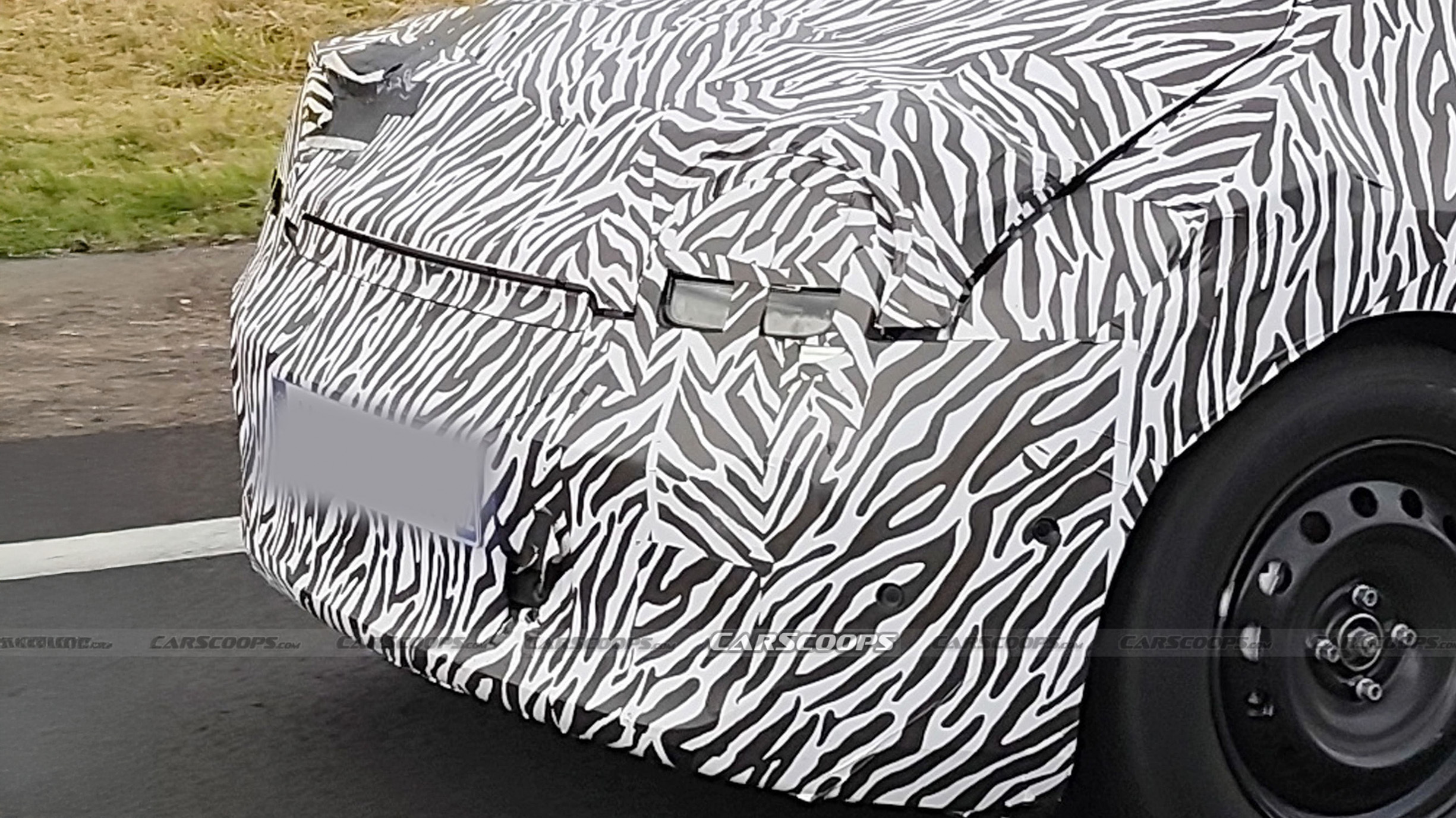
Renault’s 2026 Twingo EV Unveiled in Prototype Testing
Renault has recently been spotted testing a new version of its popular Twingo EV, which is expected to hit the market in 2026. This compact electric hatchback is set to be one of the most affordable options in the EV segment, with an estimated price tag below €20,000 (approximately $23,000). The automaker has already given a glimpse of what to expect through the Twingo E-Tech concept, which was showcased last year and made another appearance in early 2025 after some design tweaks.
The Twingo EV is seen as a smaller, more budget-friendly sibling to the Renault 5, which has gained popularity for its retro-inspired design and competitive pricing. The new model aims to carry forward that success by offering a similar aesthetic but at a lower cost. The car is expected to be slightly pricier than the basic Dacia Spring and Leapmotor 01, but it will still be positioned to compete with other affordable electric vehicles such as the BYD Dolphin Surf and the upcoming Volkswagen ID.1.
Design and Features
The Twingo EV draws inspiration from the original 1993 model, known for its distinctive egg-shaped body and frog-like eyes. However, the new version introduces a four-door layout and an all-electric powertrain, making it more practical and efficient. The prototype images reveal that the production model will closely resemble the concept, with features like wide wheels positioned at each corner to maximize interior space. The windshield is also designed to sweep back, echoing the look of the original Twingo.
One notable difference between the concept and the prototype is the charging port flap, which has a different shape and is located on the passenger side. Additionally, the test car appears to have conventional door handles, while the concept featured hidden handles integrated into the front door skin and upper door frame. There is hope that these hidden handles will make their way to the final production model.
Interior and Technology
Although the interior of the Twingo EV prototype remains unseen, the concept version included a 7-inch digital gauge cluster and a 10.1-inch floating infotainment screen. These features suggest that the production model will offer a modern and user-friendly driving experience. While Renault has not officially released any technical specifications, it is reasonable to assume that the Twingo EV will be based on the same AmpR Small architecture used in the Renault 4 and 5.
If the Twingo EV adopts the same 40 kWh battery and 94 hp (95 PS / 70 kW) single-motor setup as the base Renault 5, it could deliver over 200 miles (320 km) of range and accelerate from 0 to 62 mph (100 km/h) in around 11 seconds. However, higher performance options are likely to be available, with potential upgrades to 121 hp (122 PS / 90 kW) or even 148 hp (150 PS / 110 kW).
Market Positioning
With its combination of retro styling, affordability, and practical features, the Twingo EV is well-positioned to appeal to a broad audience. It is expected to be a strong contender in the growing electric vehicle market, particularly in regions where budget-friendly options are in high demand. As Renault continues to refine the design and technology of the Twingo EV, it is clear that the automaker is committed to delivering a vehicle that combines style, functionality, and value.

Post a Comment for "The Budget-Friendly Frog-Faced EV That's Renault's New Baby Brother"
Post a Comment