The 2025 Tour de France: Aero Rules, Weight Is Out
The Rise of Aero Bikes in Professional Cycling
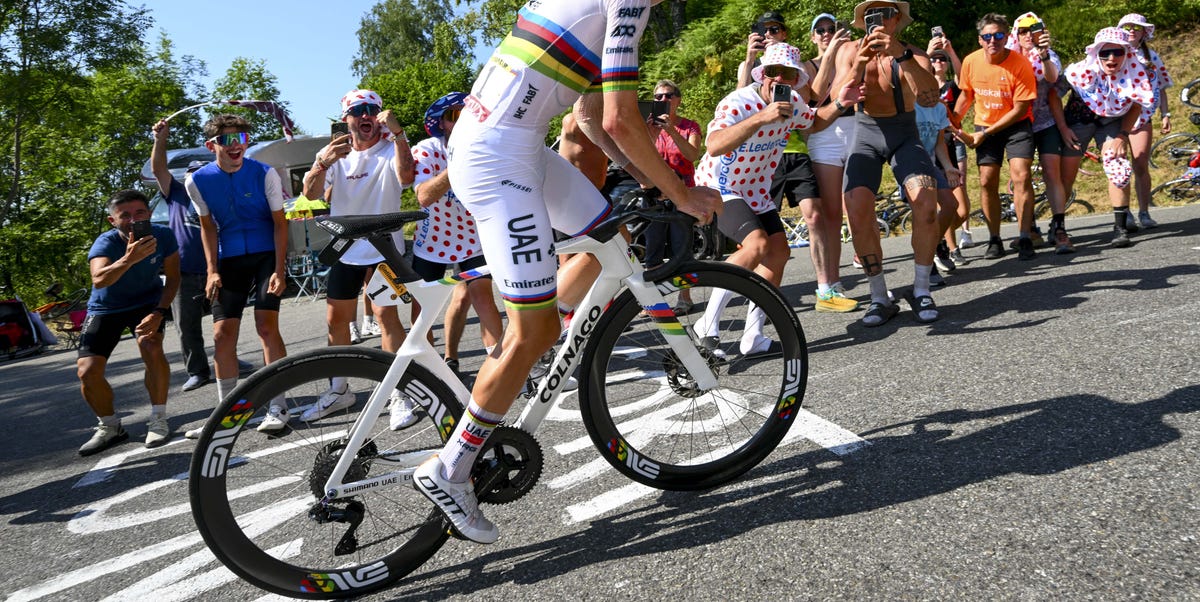
One of the most notable trends in the 2025 Tour de France was the widespread use of aero bikes and wheels, even on the most challenging climbing stages. This shift marked a significant departure from traditional practices that favored lightweight bikes for ascents. Teams that once used both a lightweight all-rounder and a heavier aero bike now opted for the latter across nearly every stage, regardless of the terrain.
This trend underscores a long-standing argument among tech pundits: aerodynamics can be more critical than weight, especially when considering the entire race rather than just isolated climbs. The 2025 Tour provided compelling evidence that this principle applies not only to professional cyclists but also to amateur riders seeking to improve their performance.
A Case Study: Stage 18 from Vif to Col de la Loze
Stage 18 of the 2025 Tour de France, which featured three hors catégorie (HC) climbs over 171.5 km (106.5 miles), was a prime example of aero dominance. Despite the grueling climb, top contenders like Tadej Pogacar and Jonas Vingegaard rode their team’s aero bikes—Colnago Y1Rs and Cervelo S5 respectively. Even the stage winner, Ben O’Connor, chose an aero-focused Giant Propel over a lighter TCR model.
This choice reflects a broader shift in professional cycling, where traditionalist thinking is being replaced by data-driven decisions. Teams, especially those with substantial budgets, have become more advanced in their approach, relying on rigorous testing and scientific analysis. Additionally, the older generation of mechanics, directors, and staff who clung to traditional methods is gradually being replaced by a newer group more open to modern technology.
The Role of UCI Weight Limits
The UCI’s 6.8kg (14.99 lb.) bicycle weight limit plays a crucial role in this shift. Modern aero bikes are lighter than ever, with many approaching or meeting the minimum weight. In contrast, lighter all-arounders often require added weight to comply with the regulation. For professional riders, the decision is no longer between a lighter and less aero bike versus a heavier and more aero one—it’s about choosing between two bikes of similar weight, with the aero option offering a clear advantage.
Moreover, recent changes to UCI aero rules allow manufacturers to create frames that are more aerodynamically efficient while still adhering to the weight limit. This has led to the development of bikes that are faster and more efficient than ever before.
Speed and Efficiency in Professional Racing
Professional cyclists today ride at unprecedented speeds. For example, Tadej Pogačar maintained an average power output of 6.7 watts per kilogram during a 35-minute solo ascent of Hautacam, achieving an average speed of 23 km/h (14.3 mph). His overall speed for the stage was 41.5 km/h (25.8 mph), and for the entire Tour, it was nearly 43 km/h (26.7 mph).
Given these speeds, the advantages of aero equipment become even more pronounced. As riders continue to get faster and aero bikes become lighter, the trend toward aerodynamic optimization is unlikely to reverse.
Lessons for Amateur Cyclists
While the UCI weight limit does not apply to amateur cyclists, the principles of aerodynamics remain relevant. Even if you’re not racing at pro level, improving your aerodynamic profile can yield significant gains. For instance, a 1,000-gram (2.2-pound) heavier aero bike would result in only a 48-second difference on a steep climb like Hautacam. However, when considering the entire ride, including descents and flat sections, the benefits of a more aerodynamic setup can be substantial.
SwissSide, a leading aero-focused brand, conducted simulations showing that a more aerodynamic bike could save over three minutes on a 199km stage, despite being slightly heavier. Their research suggests that for professionals, weight becomes more important than aerodynamics when the average gradient exceeds 7.5 percent. For amateurs, this threshold drops to 4.5 percent, meaning a more aerodynamic bike is often the better choice.
Practical Tips for Improving Aerodynamics
You don’t need to buy a new frame or wheels to make meaningful improvements. A proper bike fit that prioritizes aerodynamics, along with a more streamlined helmet and clothing, can significantly enhance performance. Optimizing tires and chain lube also contributes to efficiency.
Ultimately, the choice of equipment depends on personal preferences. While some may prioritize speed, others may value comfort, aesthetics, or the joy of riding. As an amateur cyclist, you have the freedom to choose what works best for you, whether that means embracing aero technology or sticking to a classic design.
If speed is your goal, however, the lessons from the pros are clear: focus on aerodynamics, not just weight. The science and data support this approach, and as technology continues to evolve, the gap between pro and amateur cycling will only narrow.

Post a Comment for "The 2025 Tour de France: Aero Rules, Weight Is Out"
Post a Comment