The 200-Year Journey of American Cheese Begins in Switzerland
The Evolution of American Cheese
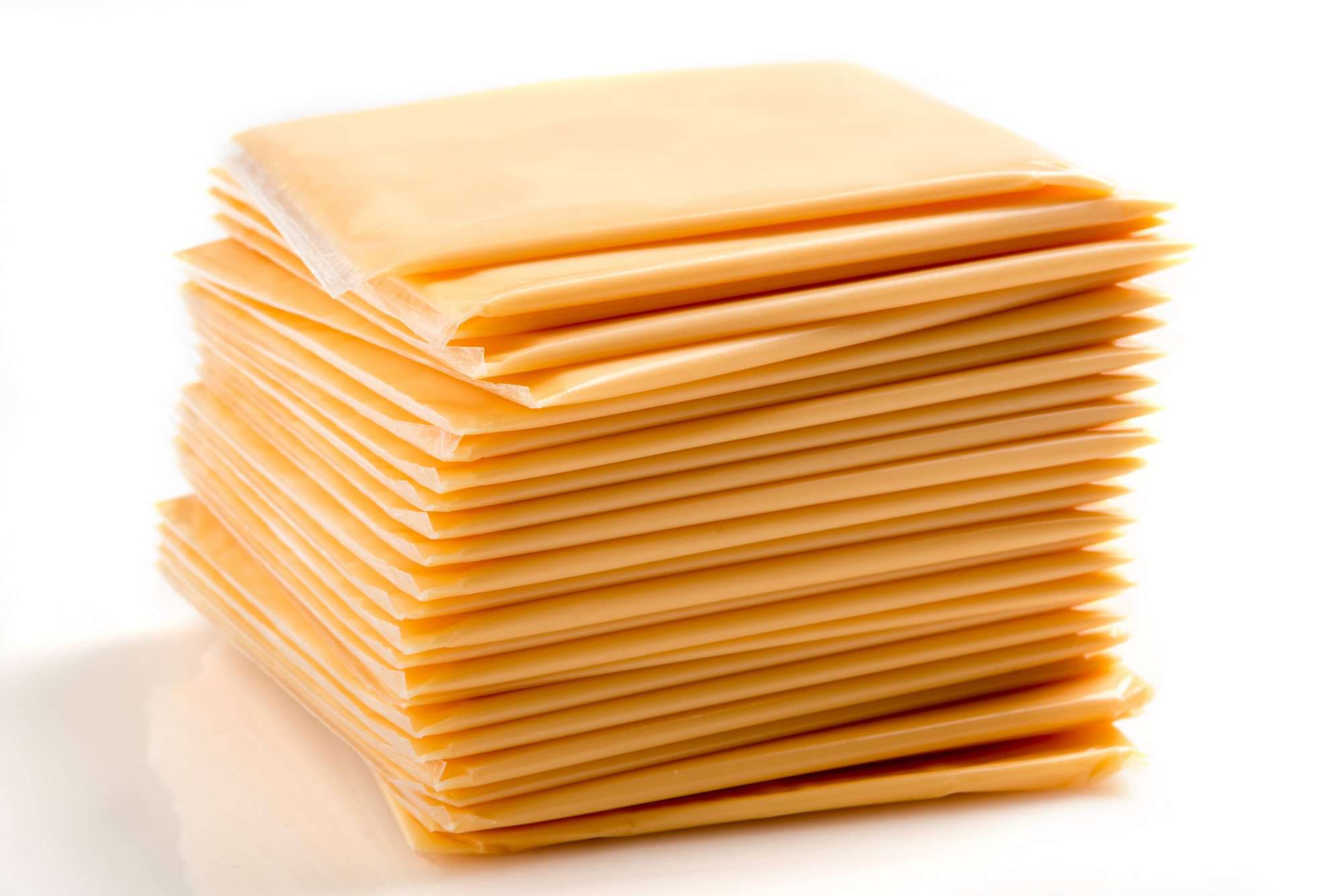
American cheese is a unique product that has sparked both admiration and controversy. While it's often associated with grilled sandwiches, burgers, and deli fare, its journey from a simple dairy product to a processed staple has been anything but straightforward. For many, the term "American cheese" evokes images of Kraft Singles, while others see it as a symbol of mass-produced food. Regardless of where you stand on the issue, the story of American cheese is one of innovation, regulation, and cultural significance.
The Meaning of American Cheese
Originally, the term "American cheese" simply referred to cheese produced in the United States. This was particularly true during the late 18th century when cheddar, named after an English village, was being exported back to England. In Britain, this cheese was often labeled as "Yankee" or "American" cheese, a term that carried connotations of being less refined than locally made varieties. Over time, this designation stuck, and the name became more of a label for a type of cheese rather than just a geographical reference.
The True Origins of American Cheese
The transformation of American cheese into a distinct entity began in the early 20th century. A key milestone came in 1911 when Swiss scientists Walter Gerber and Fritz Stettler developed the first processed cheese by shredding Emmentaler and heating it with sodium citrate. This innovation laid the groundwork for what would become a major industry.
In the U.S., James Lewis Kraft, a Canadian-born grocery clerk, took these ideas further. He experimented with melting cheddar at specific temperatures and eventually created a process that allowed cheese to be stored longer and sold in bulk. His 1921 patent for a 2.27-kilogram "loaf" of processed cheese revolutionized how cheese was sold and consumed. By the 1960s, Kraft Singles were introduced, marking another significant step in the evolution of American cheese.
Is American Cheese Actually Cheese?
This question has sparked debate among cheese enthusiasts and regulators alike. According to the U.S. Code of Federal Regulations, American cheese is classified as "pasteurized processed cheese." This means it is a blend of natural cheese bits and emulsifying agents, resulting in a stable, homogenous product. While the term "plastic" might sound unappealing, it refers to the cheese's ability to be easily shaped and molded.
The term "plastic" was chosen over more controversial alternatives like "embalmed cheese," which some natural cheese producers used to describe the product. Despite these labels, American cheese remains a popular choice for its convenience and versatility.
Types of American Cheese
There are several categories of processed cheese that fall under the broader umbrella of "American cheese." These include:
-
Pasteurized Process Cheese: Made by melting real cheese (such as cheddar or Colby) and adding various ingredients to enhance flavor, texture, or appearance. It must have a moisture content below 43% and a fat content of at least 47%.
-
Pasteurized Process Cheese Food: This category includes products like Kraft Singles, which allow for more flexibility in ingredients. At least 51% of the product must be actual cheese, and it must contain at least 23% fat with no more than 44% moisture.
-
Pasteurized Process Cheese Spread: Products like Velveeta and Cheez Whiz fall into this category. They require at least 51% cheese and 20% milk fat, with a moisture content between 44% and 60%. These spreads are designed to be spreadable at room temperature.
Conclusion
Understanding the history and science behind American cheese adds depth to its role in our diets. Whether you love it for its convenience or criticize it for its processing, there's no denying its impact on American cuisine. Next time you enjoy a grilled cheese or a burger, you'll have a better appreciation for the complex journey that brought this iconic product to your plate.

Post a Comment for "The 200-Year Journey of American Cheese Begins in Switzerland"
Post a Comment