The A-12 Avenger II: A Stealth Bomber in Four Words
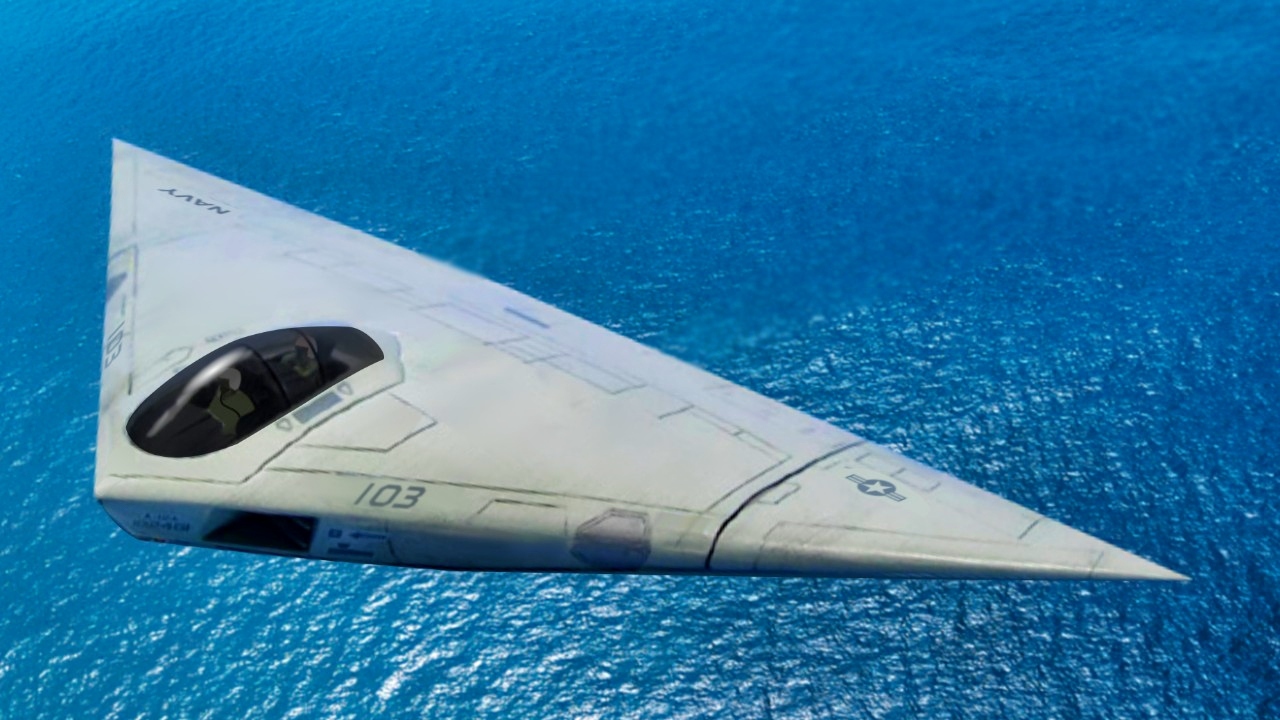
The A-12 Avenger II: A Bold Attempt at Stealth Aviation
The A-12 Avenger II was a groundbreaking project that aimed to redefine naval aviation in the 1980s. Designed as a carrier-based stealth bomber, it was meant to replace the aging A-6 Intruder and provide the U.S. Navy with a next-generation attack aircraft capable of penetrating heavily defended airspace. However, what began as an ambitious vision ended in one of the most costly and controversial program failures in military history.
The Need for a New Bomber
By the late 1970s and early 1980s, the U.S. Navy recognized the limitations of its existing fleet. The A-6 Intruder, which had been in service since the Vietnam War, was becoming increasingly vulnerable to advances in Soviet air defenses. At the same time, the development of stealth technology offered a new approach to air superiority. This led to the initiation of the Advanced Tactical Aircraft (ATA) program, which sought to develop a stealthy, long-range attack aircraft capable of operating from aircraft carriers.
The ATA program was part of a broader shift in U.S. military aviation toward low-observable platforms. The success of the Air Force’s F-117 Nighthawk demonstrated the potential of stealth technology, and the Navy wanted to apply similar principles to its own fleet. In 1988, the contract for the ATA program was awarded to a team led by McDonnell Douglas and General Dynamics, resulting in the development of the A-12 Avenger II.
An Unconventional Design
The A-12 Avenger II was unlike any aircraft the Navy had previously operated. It featured a tailless, flying wing configuration with a triangular, Dorito-like shape. This design was chosen to minimize radar cross-section and enhance stealth capabilities. The aircraft would be constructed using advanced composite materials and radar-absorbent coatings, with weapons stored internally to maintain a low radar profile.
The A-12 was also designed to operate from aircraft carriers, which presented unique challenges. It needed to be rugged enough to withstand catapult launches and arrested landings while remaining compact enough to fit on crowded carrier decks. The aircraft was to be a two-seat configuration, with a pilot and a weapons systems officer, and equipped with state-of-the-art avionics, including terrain-following radar and electronic warfare systems. Its projected combat radius was over 900 nautical miles, allowing it to strike deep into enemy territory without refueling.
Challenges and Setbacks
Despite its innovative design, the A-12 program faced numerous technical and financial hurdles. One of the most persistent issues was weight. The aircraft was significantly heavier than originally projected due to the complexity of integrating stealth features with carrier-based requirements. This weight problem threatened the aircraft’s performance and safety.
Additionally, the use of advanced materials and manufacturing techniques introduced unforeseen technical challenges and delays. As the program progressed, costs spiraled out of control. The original development cost estimate of around $4.8 billion ballooned to over $5 billion by the early 1990s, with projections suggesting the total cost could exceed $11 billion. The per-unit cost of the aircraft was estimated to be over $165 million, making it one of the most expensive tactical aircraft ever proposed.
The End of the A-12 Program
By the end of 1990, the A-12 program was in crisis. Technical problems remained unresolved, costs continued to rise, and the aircraft was nowhere near ready for production. On January 7, 1991, Secretary of Defense Dick Cheney decided to cancel the program, citing cost overruns, schedule delays, and performance uncertainties. It was the largest contract termination for default in Pentagon history.
The cancellation of the A-12 triggered a lengthy legal battle between the U.S. government and the contractors, McDonnell Douglas and General Dynamics. The government sought to recover $1.35 billion in payments, arguing that the contractors had failed to meet their obligations. The contractors countered that the government had changed requirements and was unable to provide adequate support. The legal dispute dragged on for more than two decades and was not fully resolved until 2014, when a federal court ruled in favor of the contractors.
Lessons Learned
The A-12 fiasco served as a cautionary tale for future defense acquisition programs. It highlighted the dangers of overpromising on unproven technology, underestimating complexity, and proceeding without adequate testing and validation. In the aftermath of the A-12’s cancellation, the Department of Defense implemented more rigorous oversight and milestone-based development processes to prevent similar failures in the future.
While the A-12 Avenger II never saw active service, its legacy continues to influence modern military aviation and procurement strategies.

Post a Comment for "The A-12 Avenger II: A Stealth Bomber in Four Words"
Post a Comment