Texas Sheriff: Coordinator Likely Asleep During Deadly Floods' Critical Hours
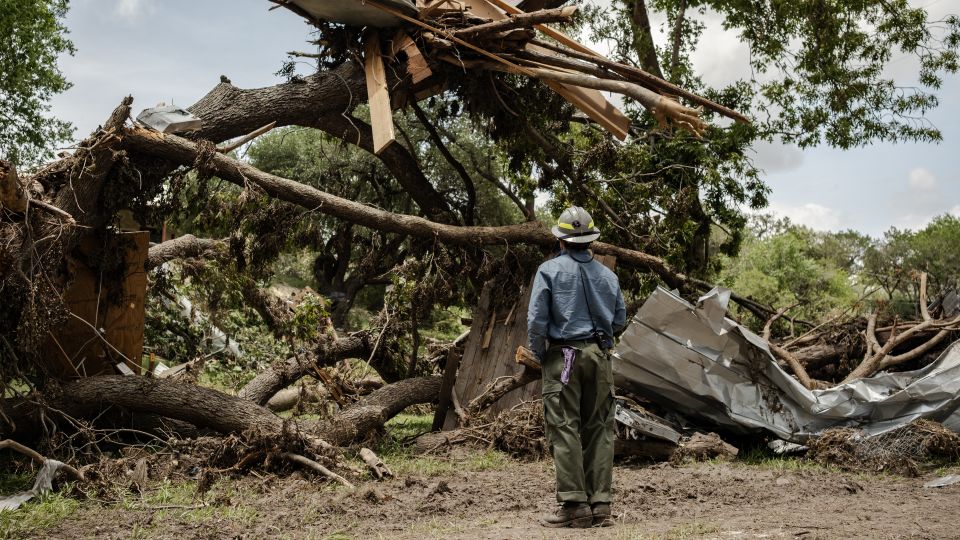
Critical Moments in the Aftermath of a Tragic Flood
In the critical hours following the deadly flash floods that devastated the Guadalupe River, there were alarming questions about the readiness of emergency response systems. According to the Kerr County sheriff, the county official responsible for coordinating emergency efforts was likely asleep at home during the early morning hours of July 4 when the catastrophic flooding occurred. This revelation has raised serious concerns about how effectively local authorities responded to the disaster.
The National Weather Service had issued warnings as early as Thursday, highlighting the potential for severe flooding in Kerr County. A flood watch was issued at 1:18 p.m. CT, emphasizing the risk to areas like Kerrville. However, the actual rainfall far exceeded initial forecasts, with some parts of central Texas receiving up to 15 inches of rain. Despite these dire warnings, key officials may not have been fully aware or prepared for the scale of the disaster.
By 6:30 p.m., river forecasters were warning of intense rain rates that could quickly overwhelm the ground’s ability to absorb water. The impact of this deluge was devastating, particularly in areas where children's camps and RV parks were located along the riverbanks. These locations are within "Flash Flood Alley," yet Kerr County lacks a siren system to alert residents and visitors when they should seek higher ground.
The first life-threatening flash flood warning for Kerrville came at 1:14 a.m. on July 4, triggering the Emergency Alert System. This would have alerted people in the area via their cell phones, assuming they had service and hadn’t disabled EAS weather alerts. Three hours later, the sheriff’s office reported flooding at low-water crossings, indicating the severity of the situation.
Kerr County Emergency Management Coordinator W.B. “Dub” Thomas, who is also a deputy sheriff, did not respond to requests for comment following the storm. His absence from the scene during such a critical time has led to calls for an investigation into his job performance and the county’s overall preparedness.
The county’s emergency operations center was not operational during the most intense period of flooding, according to Sheriff Larry Leitha. He explained that the rural nature of the area means there is no 24-hour service available. Officials are now considering whether more could have been done to prepare for the event.
A special hearing in Texas has begun to examine the state’s safety preparations and the events leading up to the tragedy. There is a growing debate over whether the focus should be on improving emergency responses or enhancing pre-storm preparations. State Senator José Menéndez, a Democrat, emphasized the need to understand what went wrong to prevent future losses.
On the other hand, Republican state representative Wes Virdell urged caution, warning against overreacting to the situation. He believes that while improvements are necessary, the government must avoid excessive measures that could create unnecessary panic.
Governor Greg Abbott has called for a special legislative session to address flood warning systems, emergency communications, and relief funding for victims. However, the session has also sparked discussions about political issues, including redistricting.
State officials and lawmakers are calling for better radio and alert systems to improve communication during emergencies. Chief Nim Kidd of the Texas Division of Emergency Management highlighted the need for more coordinated technology, noting that some first responders faced challenges with their equipment.
Rep. Virdell also pointed out that many people have become desensitized to flash flood warnings on their phones. He asked Texas Department of Public Safety Director Col. Freeman Martin if there was a way to address this issue. Martin agreed, stating that a public awareness campaign is being developed to encourage people to keep their alerts enabled.
Despite the challenges, there is a general consensus among locals that more could have been done. However, many feel that the sheer scale of the event made it difficult to predict and prepare for. The committee will reconvene in Kerrville to hear directly from flood victims, aiming to gain a deeper understanding of the impact and lessons learned.
As the investigation continues, the focus remains on ensuring that future disasters are met with more effective and timely responses. The goal is to prevent similar tragedies and protect communities from the devastating effects of flash flooding.

Post a Comment for "Texas Sheriff: Coordinator Likely Asleep During Deadly Floods' Critical Hours"
Post a Comment