Texas Senators Push Redistricting Plan in Sunday Hearing
Texas Senate Advances Redistricting Bill Amid Political Tensions
On Sunday evening, a Texas Senate committee took a significant step toward advancing a bill that would redraw the state’s congressional voting districts. The decision followed a public hearing held earlier that day, which was part of the process required before any bill can move forward for a vote on the Senate floor. This development comes just two days after Governor Greg Abbott called for a second special session of the Texas Legislature, focusing on key issues including redistricting.
Redistricting has become a central issue in this special session, with 19 items on the governor’s agenda. The legislation aims to reshape the boundaries of Texas’ congressional districts, potentially shifting political power between parties. In the first special session, an identical redistricting bill was approved by the Senate on August 12, but the effort faced challenges when more than 50 Democratic House members left the state to disrupt the legislative process and prevent a vote.
Democratic lawmakers have criticized the proposed map, arguing that it undermines the representation of minority voters in the districts being redrawn. State Rep. Josey Garcia, a Democrat from San Antonio, emphasized that the party’s actions were aimed at drawing attention to the issue. “We did exactly what we said we needed to do, and that is bringing a spotlight on this issue,” she stated before Gov. Abbott announced the second special session.
Despite these concerns, House leaders are confident that the chamber will have enough members present on Monday to conduct business. The debate over the redistricting plan continues to highlight the deepening divide between political parties, with Republicans seeking to gain an advantage in key districts.
Key Details of the Redistricting Plan
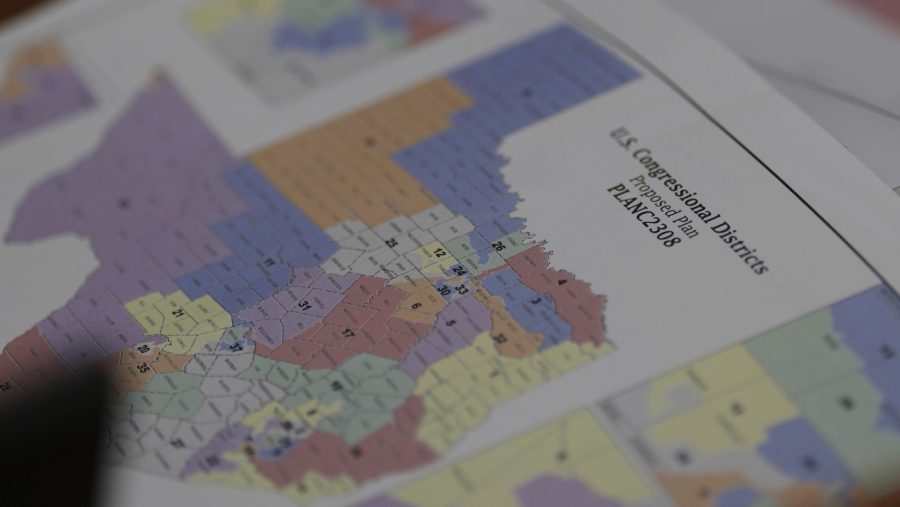
Senate Bill 4, authored by State Sen. Phil King, R-Weatherford, is the centerpiece of the current redistricting efforts. King claims that the bill is identical to the one introduced during the first special session. According to him, the new map would provide Republicans with a partisan advantage in five congressional districts currently represented by Democrats. President Donald Trump had previously urged Texas leaders to redraw maps to secure more Republican seats in the 2026 elections, stating that a simple redrawing could result in gaining five additional seats.
During the public hearing, King outlined three objectives he had for the map: ensuring its legality, improving performance for Republicans, and creating more compact districts. He emphasized that the new map meets all three criteria. “This map is legal with regard to all applicable law,” King said. “It also performs better for Republicans, and it is much more compact than the current map.”
The proposed changes target five districts located in areas around Austin, Dallas, Houston, and San Antonio, aiming to create Republican-leaning seats. While the plan includes new majority-minority districts, four of the five redrawn districts would have Hispanic citizen voting-age population majorities. However, King maintained that his primary goal was to elect more Republicans to Congress, not to affect minority representation.
“I filed the map, but my intent was to help elect more Republicans to the Congress because I believe that the policies they will promote will be in the best interest of the state of Texas,” King said before the vote to advance SB 4.
Public Testimony and Political Reactions
At the end of the hearing, State Sen. Borris Miles, D-Houston, asked King how many people had testified in favor of the bill. According to the committee clerk, 43 individuals participated in the public hearing. When asked how many supported the bill, King responded, “I think one.”
The debate over the redistricting plan reflects broader tensions in Texas politics, as both parties continue to vie for control of the state’s electoral landscape. While Republicans argue that the new map is fair and legally sound, Democrats remain concerned about its impact on minority communities and the overall balance of power in the state.
As the process moves forward, the outcome of the redistricting bill will likely shape the political future of Texas for years to come.

Post a Comment for "Texas Senators Push Redistricting Plan in Sunday Hearing"
Post a Comment