Texas Senate Panel to Vote on Subpoenaing DOJ Official
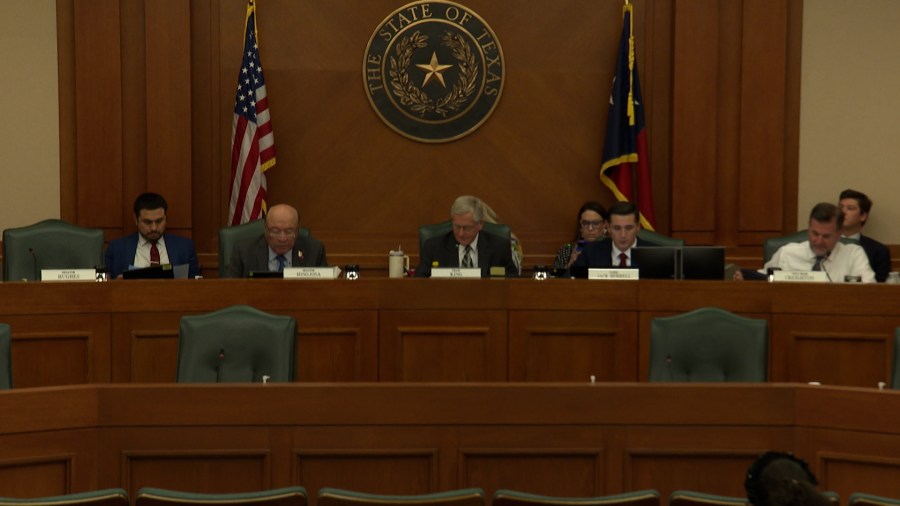
Senate Select Committee Considers Subpoena for DOJ Official
The nine-member Senate select committee on redistricting is preparing to vote on whether to issue a subpoena to an assistant attorney general, who authored a letter that has become central to the ongoing debate over redistricting in Texas. This move comes as the committee seeks clarity on the legal basis for Governor Greg Abbott’s decision to include redistricting in the special session agenda.
The Department of Justice (DOJ) letter, dated July 7 and addressed to Governor Abbott and Texas Attorney General Ken Paxton, raised significant concerns about the legality of four congressional districts in Texas. These districts are currently represented by minority members of Congress, sparking intense discussions about potential racial gerrymandering.
Concerns Over the DOJ Letter
Harmeet K. Dhillon, the author of the letter, is now at the center of this controversy. Texas Democrats, including members of both select redistricting committees, are urging her to testify publicly about the reasoning behind the DOJ's claims. They argue that the Civil Rights division of the DOJ believes these districts were racially gerrymandered, despite assertions from Texas Republicans that the current maps were drawn without regard to race.
State Sen. Carol Alvarado, a Democrat from Houston, emphasized the importance of Dhillon being able to defend the DOJ's position. She, along with Democratic state senators Juan “Chuy” Hinojosa and Borris Miles, has called for Dhillon to be subpoenaed. Their goal is to ensure transparency and accountability in the redistricting process.
A report by NBC 5 in Dallas revealed that Paxton’s office responded to the DOJ letter, disagreeing with the department’s interpretation of the congressional maps. Nexstar reached out to the state’s Attorney General office for further details, but the response was limited to a statement from Paxton.
Statements from Key Figures
Paxton’s statement expressed full support for Governor Abbott’s decision to call a special session for the Texas Legislature to handle congressional redistricting. He also indicated his office’s willingness to back any new maps against challenges from opponents. However, he did not directly address the concerns raised in the DOJ letter.
Before public testimony began on Tuesday, Senate committee chair Phil King, a Republican from Weatherford, stated his disagreement with the DOJ’s interpretation of Texas’ map. He claimed that the current congressional map is not discriminatory and that he hasn’t seen the underlying facts supporting the DOJ’s position.
Efforts to Secure Testimony
King sent a formal invitation to Dhillon over the weekend, asking her to testify before the committee. Similarly, House committee chair Cody Vasut, a Republican from Angleton, extended a similar invitation on Sunday. Before the Senate committee started hearing testimony on Tuesday, King mentioned that his team was setting up a space in the Capitol to hold a formal meeting on Wednesday to decide on the subpoena.
Alvarado stressed the importance of making the hearing accessible to the public, advocating for it to be livestreamed and recorded. She highlighted the significance of transparency, especially given the unusual nature of the situation.
Challenges Ahead
To issue the subpoena, two-thirds of the committee must approve it. With only three Democratic members on the Senate committee, it remains uncertain how the other six Republican senators will vote. Alvarado expressed hope that her colleagues would support the subpoena, noting that they might want to understand why they are conducting redistricting in the middle of the summer.
King’s office is seeking legal counsel to determine if the legislative committee has the authority to compel a federal official to testify. Despite these uncertainties, Alvarado maintains that the committee should proceed with the subpoena, allowing Dhillon or any other DOJ official to choose whether to appear.
Currently, no new map is under consideration in either redistricting committee, leaving the future of Texas' congressional boundaries in limbo. The outcome of the upcoming vote could have significant implications for the state's political landscape.

Post a Comment for "Texas Senate Panel to Vote on Subpoenaing DOJ Official"
Post a Comment