Texas redistricting battle intensifies without map, DOJ subpoena threat ahead
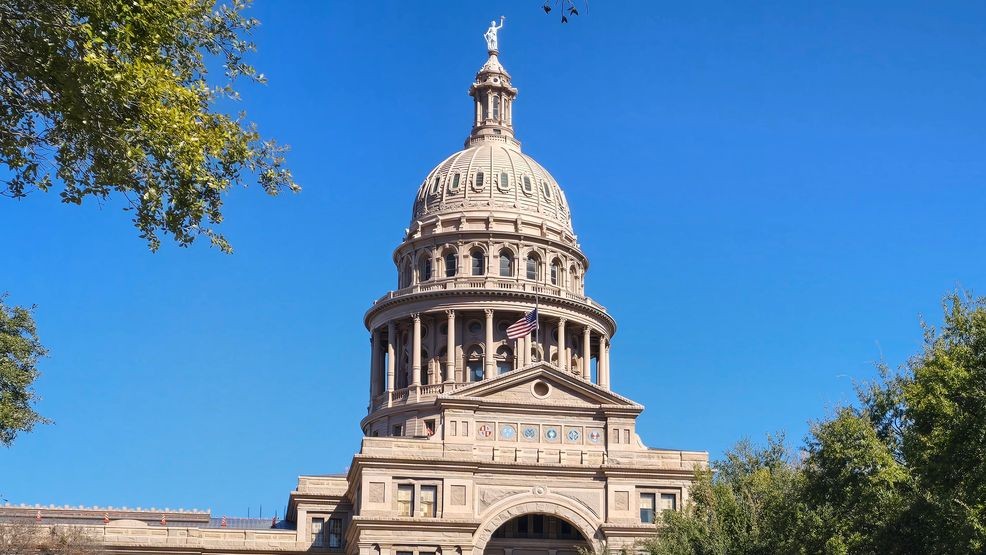
The Redistricting Crisis in Texas Heats Up
As the Texas special legislative session approaches its final days, the state is witnessing a growing tension over redistricting. With only 22 days left, lawmakers have yet to present any proposed maps for the 38 congressional districts, leaving both officials and community leaders frustrated.
At a recent Senate hearing, concerns were raised about the lack of transparency in the process. Sen. Cesar Blanco (D-El Paso) emphasized that the decisions made during this period will have long-lasting impacts on the state’s democracy. Despite pressure from former President Donald Trump to redraw the lines in favor of Republicans, no draft maps have been shared with the public or even with members of the Senate and House Redistricting Committees.
Governor Greg Abbott added redistricting to the agenda after a controversial letter from the U.S. Department of Justice accused Texas of racial gerrymandering. This has sparked significant debate, with critics arguing that the current maps dilute the voting power of Black and Hispanic communities, potentially violating the Voting Rights Act.
Nina Perales, Vice President of Litigation at the Mexican American Legal Defense and Educational Fund (MALDEF), criticized the lack of transparency, stating that it's an empty exercise to ask people to testify without seeing the actual effects of the proposed changes.
Sen. Phil King (R-Weatherford), who chairs the Senate Redistricting Committee, admitted he hasn’t seen any map yet and could not provide a timeline for when one might be released. While he disagrees with the DOJ’s assessment, he acknowledged that he hasn’t reviewed the full evidence behind the letter.
The July letter from Assistant Attorney General Harmeet Dhillon has become a focal point of political contention. In response, Senate Democrats are urging the committee to issue a subpoena to compel Dhillon to testify. Sen. Carol Alvarado (D-Houston) argued that there is no legal barrier to issuing such a subpoena.
King said he would consider a motion at the committee’s meeting on Wednesday, but legal experts like Mark Jones, a political science professor at Rice University, caution that enforcing a subpoena on a federal official from another state would face significant challenges.
Meanwhile, members of the Texas House Democratic Caucus traveled to New Mexico, meeting with Governor Michelle Lujan Grisham to seek national support against the redistricting process. Rep. John Bucy III (D-Austin) criticized Governor Abbott for catering to Donald Trump, emphasizing the need for awareness of how the process could impact the entire country.
This marks the third out-of-state trip by House Democrats during the special session, following visits to California and Illinois. Although they have not formally broken quorum as they did in 2021, party leaders have hinted that it could still be an option if the process continues without transparency.
Political analyst Mark Jones described the situation as "political theater," suggesting it's a way for Democrats to apply pressure on an issue that Texas Republicans prefer to avoid.
U.S. House Minority Leader Hakeem Jeffries is set to visit the Texas Capitol, where he has criticized the redistricting push as a coordinated effort between Trump, Abbott, and House Republicans to manipulate the next election. According to Jones, this accusation is more than just political messaging—it's a strategic move.
"One of the principal reasons Trump is pushing redistricting in Texas is to try to keep Hakeem Jeffries from becoming the next Speaker of the U.S. House," Jones explained, "and thereby block President Trump’s legislative agenda during the final two years of his term."
The Senate Redistricting Committee could vote on the proposed subpoena as early as Wednesday. Meanwhile, House Democrats plan to join Jeffries at the Capitol, highlighting how redistricting in Texas has become a national flashpoint.
With less than three weeks left in the special session, some lawmakers and legal experts suggest a second session may be necessary to finalize any new maps. However, many Texans feel the outcome is already predetermined.
"You’ve been ordered to find votes for the president," said Carol Balmueller, a Texas resident who testified Monday. "And you’re just following his orders like a puppy follows its master."

Post a Comment for "Texas redistricting battle intensifies without map, DOJ subpoena threat ahead"
Post a Comment