Texas Pioneered College Access for Undocumented Students, Now Leads the Restriction
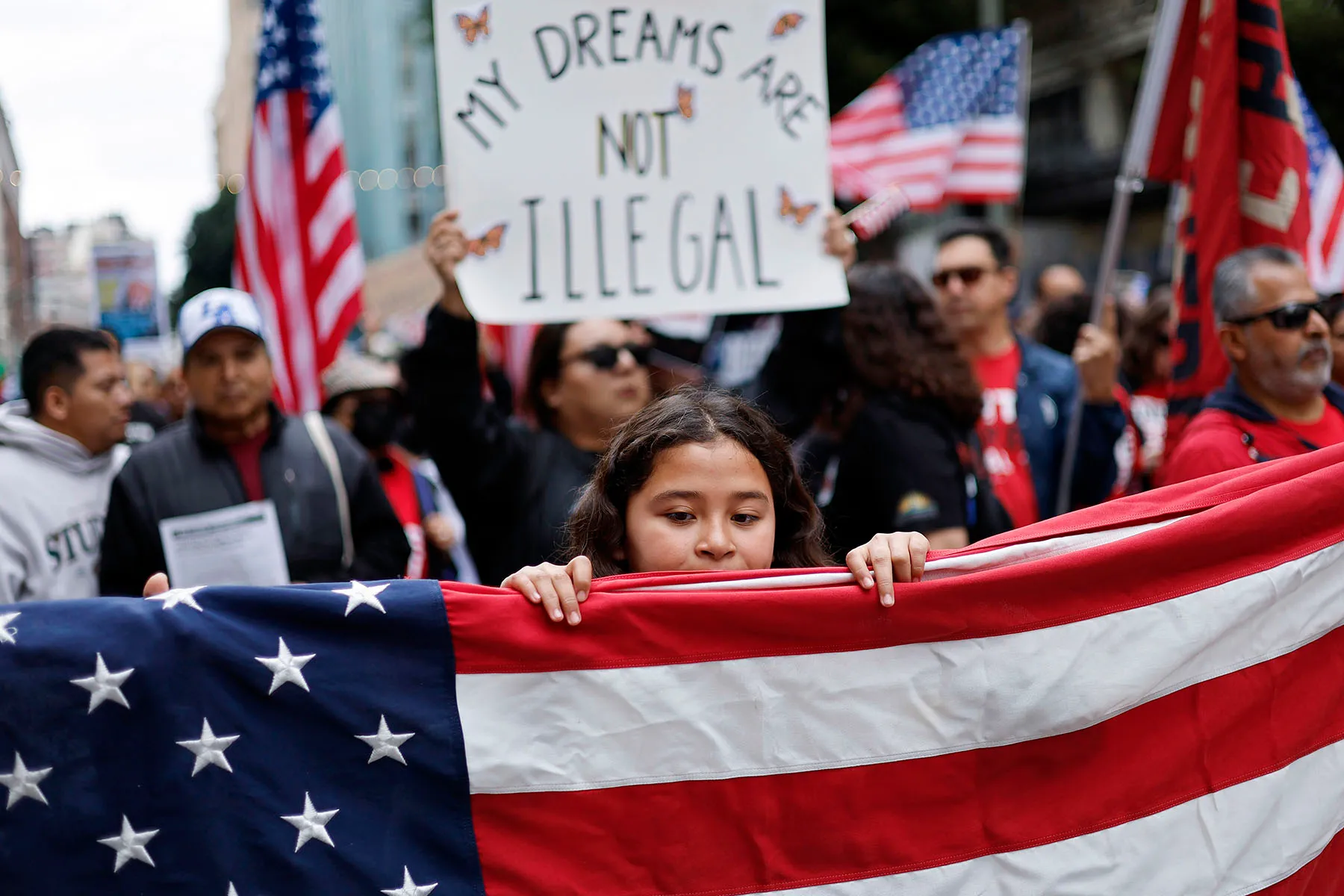
The Impact of the Texas Dream Act Repeal on Undocumented Students
Texas, once a pioneer in expanding educational opportunities for undocumented students, has now taken a significant step backward by repealing the Texas Dream Act. This decision, which took effect after the state’s Attorney General, Ken Paxton, agreed to a consent judgment with the U.S. Justice Department, has sent shockwaves through the community and raised concerns about the future of higher education access for immigrants across the country.
The Texas Dream Act, enacted in 2001, allowed undocumented students to pay in-state tuition at public colleges and universities, significantly reducing the financial burden of higher education. For over two decades, this policy enabled tens of thousands of students to pursue their academic goals, contributing to the state’s economy and workforce. However, the recent repeal threatens to undo years of progress and deprive countless young people of the opportunity to continue their education.
Legal and Social Consequences
Legal experts, educators, and advocates have expressed deep concern over the consequences of this decision. United We Dream, an immigrant youth-led organization, held a call to discuss the far-reaching implications of the rollback. The group highlighted that undocumented women are more represented on college campuses than their male counterparts, making them particularly vulnerable to the changes in tuition policies.
Juan José Martinez-Guevara, United We Dream’s Texas advocacy manager, emphasized that the repeal is not just a policy change but an attack on students who have grown up in Texas. He pointed to other policies, such as the Trump administration’s enforcement of immigration laws at sensitive locations like schools and hospitals, as part of a broader pattern of actions that endanger the safety and rights of immigrant youth.
Economic and Educational Impacts
The repeal of the Texas Dream Act has also sparked fears about its economic impact. Valeria Alvarado, a member of the ACLU of Texas’ legal team, noted that Dream Act recipients contribute $5.4 billion annually in state and local taxes, supporting the very institutions they may now be excluded from. The sudden nature of the repeal has left many students and families uncertain about their futures, with some already facing unexpected tuition bills.
Rosie Kurtz, a high school math teacher in Dallas, described how the repeal has affected her students. Many of them are immigrants who had hopes of attending college, but now face limited options. “How do you motivate students to go on and do their math classes if they don’t think that they can afford to take a math class in college?” she asked.
Ovidia Molina, a middle school teacher and president of the Texas State Teachers Association, stressed that the policy was supported by educators, families, and business leaders alike. She noted that the Texas Dream Act was signed into law by Republican Governor Rick Perry with bipartisan support, indicating strong public backing for the initiative.
Broader Attacks on Public Education
Gladys Fátima Márquez, a member of the National Education Association’s executive committee, linked the repeal to a larger effort to undermine public education. She argued that public education is under attack because it fosters critical thinking and challenges authoritarianism. “That’s why they want to dismantle, defund, privatize, and voucherize public education,” she said.
Two undocumented students shared their personal stories of how the repeal has affected their lives. One student, a psychology major, described feeling unstoppable after being able to attend community college thanks to the Dream Act. However, the repeal has shattered that hope, leaving her uncertain about her future. Another student, a microbiology graduate, expressed concern about his ability to pursue a Ph.D. due to the uncertainty surrounding his work authorization and the risk of deportation.
Confusion and Inconsistency in Implementation
Krystal Gómez, managing attorney at the Texas Immigration Law Council, highlighted the chaos caused by the lack of clear guidance from state officials. Universities have been left to interpret the repeal without proper training or definitions, leading to inconsistent policies. Some students have been charged out-of-state tuition despite being legally present in the country, while others have faced barriers to registration.
Gómez emphasized that the situation is not just about tuition rates but about whether fear and confusion will replace clear law and fairness. Her organization is working to track inconsistencies and provide resources to students and institutions, pushing for clarity and fair treatment.
As Texas becomes a testing ground for policies that could influence other states, advocates remain determined to challenge the rollback and protect the rights of immigrant students. The question remains: Will Texas become a model for restricting educational access, or will it stand as a place where opportunity prevails?

Post a Comment for "Texas Pioneered College Access for Undocumented Students, Now Leads the Restriction"
Post a Comment