Texas Families Urged to Prevent Child Hot Car Tragedies as Mother Shares Heartbreaking Loss
Personal Tragedy and Public Awareness: The Fight Against Pediatric Vehicular Heatstroke
San Antonio resident Raelyn Balfour shared her heart-wrenching story of accidentally forgetting her infant son in a hot car. She described the emotional struggle of reliving that moment, which changed her life forever. "I never thought it could happen to me, and I absolutely judged those parents that I read about, thinking they were irresponsible," she said. "Until it happened to me."
Balfour spoke at an event in Houston, where local agencies gathered to address the alarming trend of children dying from heatstroke in vehicles. This year alone, four Texas children have lost their lives due to this tragic issue. In 2007, Balfour faced a similar loss when she believed she had dropped her son off at daycare but instead left him in the car. He died of heatstroke, even though the outside temperature was only 66 degrees.
"I never thought it could happen to me," Balfour reflected. "He was such a happy-go-lucky baby all the time. A jokester always trying to get our attention and make us laugh, which was really interesting for a baby that was only 9 months old."
Balfour was acquitted of criminal charges related to her son’s death in 2008. However, the tragedy inspired her to become an advocate for preventing similar incidents. She made a promise to help other parents and guardians reduce the chances of accidentally leaving a child in a vehicle.
Understanding the Dangers of Heatstroke
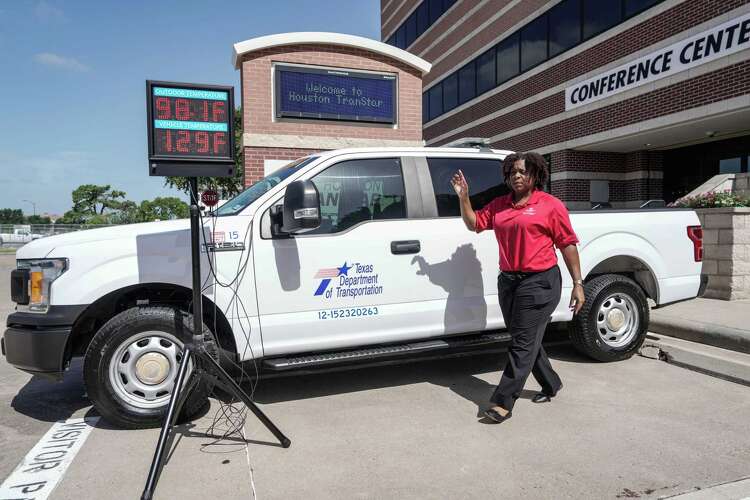
At the event, Kristen Beckworth, injury prevention manager at Texas Children's Hospital, demonstrated how quickly temperatures can rise inside a car. She showcased a thermometer comparing the temperature inside and outside a pickup truck. Even with one door open, the vehicle reached 146 degrees at 11:40 a.m.
Beckworth explained that temperatures inside a car can reach 140 to 150 degrees within minutes. “We know that in just about 10 to 20 minutes, the temperature inside the car can almost double,” she said.
Heatstroke, also known as hyperthermia, occurs when the body overheats faster than it can cool itself down. Children are especially vulnerable because their bodies heat up three to five times faster than adults. Anthony Arredondo, a pediatric emergency medicine physician at Texas Children's Hospital, added, “The higher the temperature gets, the more you start to sweat to the point where you can't sweat anymore.”
According to the National Highway Traffic Safety Administration, over 1,000 children have died from pediatric vehicular heatstroke since 1998, with most victims under the age of two. This year alone, 16 children have died from the same cause.
Causes and Prevention Measures
Agencies have identified the leading causes of pediatric vehicular heatstroke. The most common is children being unintentionally forgotten in the car at 52%, followed by children gaining access to an unattended car at 24% and children knowingly left in the car at 21%.
Heat exhaustion typically precedes heatstroke. Symptoms include excessive sweating, thirst, headache, nausea, vomiting, dizziness, dehydration, and possible fainting.
Balfour emphasized that no one is immune to the possibility of forgetting a child in a car. “If you've ever forgotten anything, this could happen to you,” said Johnny Humphreys, board president of the Texas Heatstroke Task Force. “You may not think that it would, and I hope it never does, but you can't rule out the possibility of it.”
Tips to Prevent Heatstroke in Vehicles
Safe Kids Worldwide has provided several tips to reduce the risk of a child suffering from heatstroke:
- Never leave a child alone in a car.
- Keep the car door locked so children cannot enter.
- Place an item in the backseat that will cause you to look behind, such as a phone, briefcase, or purse.
- If you see a child alone in a car, call 911 immediately.
- If a child is missing, check vehicles, trucks, and swimming pools.
Harris County Sheriff's Office Lieutenant Terry Garza noted that first responders prioritize calls involving children locked in cars. Patrol officers, firefighters, and tow truck drivers respond quickly to assist. If the child appears distressed or the car cannot be unlocked, responders may break the window.
Parents should teach children not to play in car trunks and keep keys and remote entry fobs out of reach. Smartphones offer calendar reminders to confirm whether a child has been dropped off. Parents can also arrange for childcare providers to call if their children haven’t arrived.
Balfour now places her shoe in the back seat as a reminder, showing her lack of trust in herself after the tragedy. She believes that while homes are baby-proofed, vehicles need the same level of protection.
"If that child was accidentally forgotten in a vehicle, every second can matter," Balfour said. Her story serves as a powerful reminder of the importance of vigilance and prevention.

Post a Comment for "Texas Families Urged to Prevent Child Hot Car Tragedies as Mother Shares Heartbreaking Loss"
Post a Comment