Tesla's Robotaxi Is Just a Regular Taxi in California
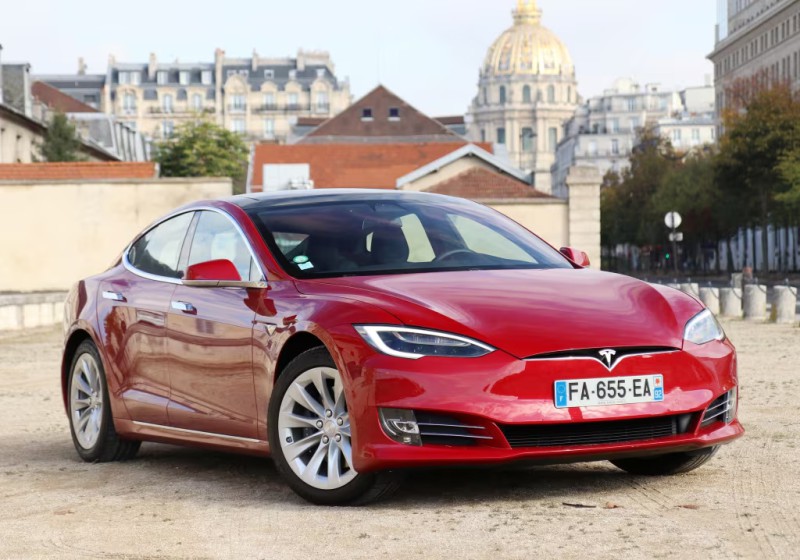
Elon Musk's Robotaxi Ambitions Face New Challenges
Elon Musk has long promised that Tesla will revolutionize urban transportation with its self-driving taxi service. However, the rollout of this ambitious vision has encountered yet another obstacle. For years, Musk has been touting the potential of robotaxis, but despite multiple delays, Tesla finally launched its autonomous vehicles in Austin in June. The service was initially invite-only and restricted to a specific area, often referred to as a "phallic grid." The initial deployment caused significant disruptions, from traffic chaos to unsettling experiences for local residents.
Musk, ever the visionary, quickly announced plans to expand the service to San Francisco. But, as is often the case with his ventures, things didn't go as smoothly as expected. The California Public Utilities Commission (CPUC) ruled that Tesla is not allowed to test or transport the public in autonomous taxis, even if a human driver is present. Instead, the CPUC issued a limited permit allowing Tesla to offer "charter services" using traditional vehicles with human drivers.
This development raises questions about what exactly constitutes a "charter service." According to Reuters, Tesla plans to offer rides to "friends and family of employees" and "select members of the public," but the company is prohibited from charging for these services. On a recent earnings call, Tesla confirmed that it will continue to use human drivers until it secures full approval for its autonomous vehicle operations.
California's regulatory framework for autonomous vehicles is known for being among the most comprehensive in the country. Companies like Tesla and Waymo, along with startups such as Zoox (backed by Amazon) and the now-defunct Cruise (operated by GM), must navigate strict guidelines set by the CPUC and the California Department of Motor Vehicles. These regulations require permits for testing and operating self-driving cars, which Tesla has partially secured.
In contrast, Texas has taken a more relaxed approach to regulating autonomous vehicles. In 2017, the state passed laws that made it difficult for cities to impose restrictions on autonomous vehicles, aiming to attract tech companies. This law did not require car manufacturers to obtain permits or licenses to operate in the state.
The result has been a surge in autonomous vehicle testing across Texas, often without much input from local governments. Earlier this year, Waymo tested driverless cars in Houston without prior notice to city officials, according to reports. Austin's Transportation and Public Works Department summarized the situation in a 2023 memo, stating, "Simply put, cities in Texas cannot regulate autonomous vehicles."
Texas lawmakers recently passed Senate Bill 2807, which clarifies how the state regulates autonomous vehicles. While the bill allows the Texas Department of Motor Vehicles to create rules around AVs and revoke a company's operating rights, it still prevents cities and local governments from regulating robotaxis.
Despite these challenges, Musk continues to push forward with his vision for self-driving technology. However, the regulatory hurdles in California and the lack of oversight in Texas highlight the complex landscape that Tesla and other companies must navigate as they work toward the future of transportation.

Post a Comment for "Tesla's Robotaxi Is Just a Regular Taxi in California"
Post a Comment