Tesla's Double Gamble: Robotaxis and Optimus Shape Its Future
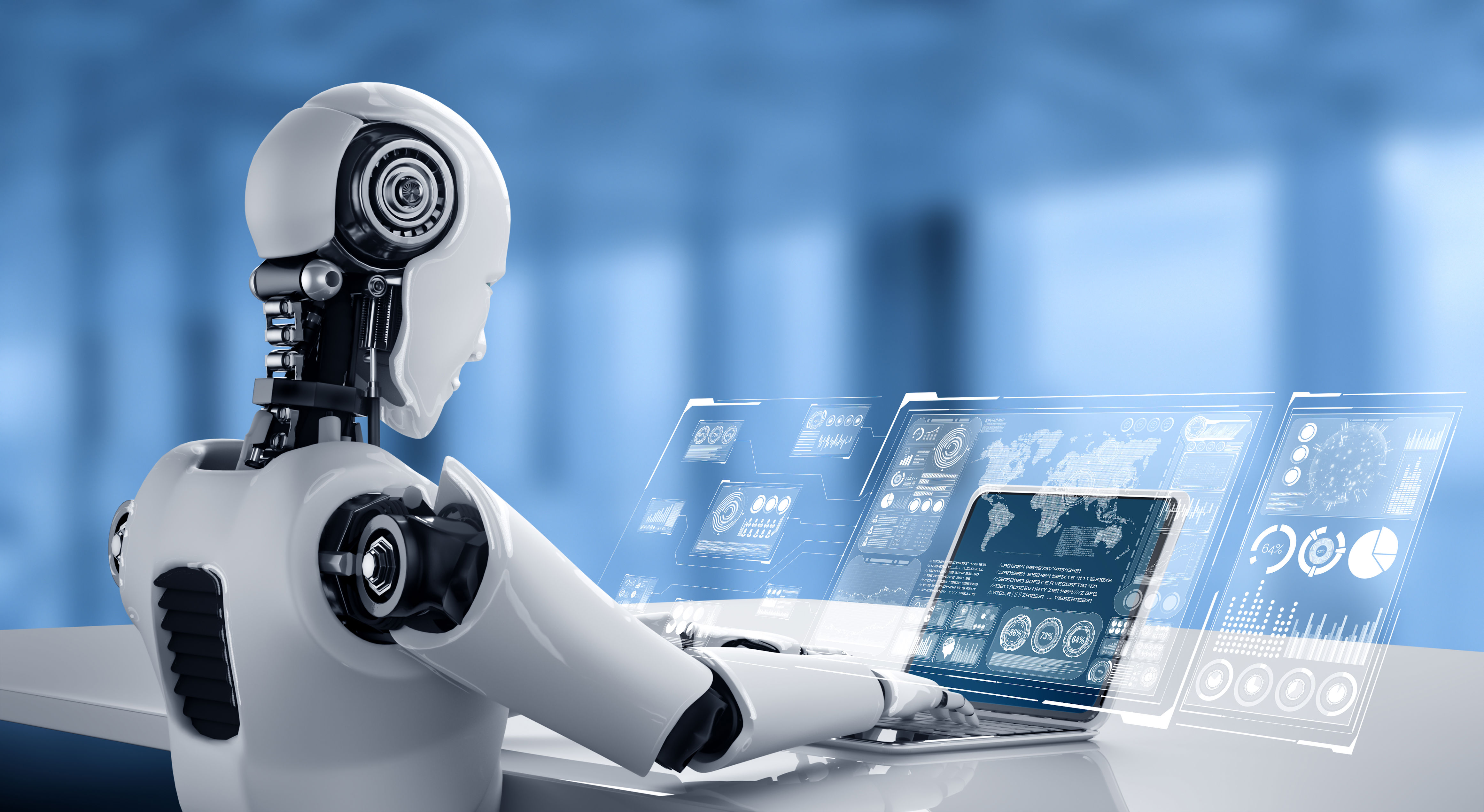
The Future of Tesla: Robotaxis and Humanoid Robots
The future of the automotive industry is rapidly evolving, and Tesla is at the forefront of this transformation. While the company has long been recognized for its electric vehicles (EVs), CEO Elon Musk has set his sights on even more ambitious goals. Two of these projects—fully autonomous robotaxis and the humanoid Optimus robot—could significantly reshape Tesla’s business model and potentially lead to massive growth over the next decade.
The Robotaxi Opportunity
One of Tesla's most exciting ventures is its development of robotaxis. These self-driving vehicles could revolutionize the ride-hailing industry by eliminating the need for human drivers. According to MarketsandMarkets, the global robotaxi market is expected to grow from approximately 617 units in 2021 to roughly 1.45 million vehicles by 2030, reflecting a compound annual growth rate (CAGR) exceeding 130%. In terms of revenue, Fortune Business Insights projects that the market will grow from around $1.7 billion in 2022 to about $108 billion by 2029, representing an 80.8% CAGR over the forecast period.
Tesla has already taken steps toward realizing this vision. In June 2025, the company quietly launched a limited robotaxi service in Austin, Texas. Rides cost $4.20, and the fleet consists of modified Model Ys. However, human safety monitors are still required to sit behind the wheel for now. Despite these early stages, the potential for significant growth remains high.
Regulatory approval, a flawless safety record, and customer trust are crucial hurdles that Tesla must overcome before it can operate robotaxis at scale. Competitors like Waymo and Cruise have already deployed limited fleets, with Waymo partnering with Uber to offer autonomous rides in select cities. However, Tesla has a unique advantage through its vertical integration, allowing it to maintain complete control over its services from AI training to manufacturing.
Optimus: A Bet on General-Purpose Robotics
While robotaxis are an extension of Tesla's autonomy work, the Optimus robot represents a different kind of innovation. First unveiled in 2021, the prototype has evolved from a static concept into a walking, functioning machine capable of manipulating objects. Tesla aims for Optimus to handle repetitive, dangerous, or mundane tasks, starting in its factories before expanding to other industries.
If successful, Optimus could open up a market even larger than the mobility sector. Potential applications include industrial automation, elder care, hospitality, and household assistance. Elon Musk has even suggested that Optimus could eventually outnumber Tesla's cars, becoming the company's most valuable product line. He also predicted that Optimus could lift Tesla's market cap to $25 trillion.
The economics of this venture could be compelling. Tesla could sell Optimus units directly or lease them on a subscription model, generating recurring revenue streams. Additionally, much of the core technology—batteries, actuators, sensors, and artificial intelligence (AI)—overlaps with Tesla's existing products, allowing the company to leverage its supply chain and engineering talent without starting from scratch.
What It Means for Investors
Both Tesla's robotaxi and Optimus initiatives hinge on AI-driven autonomy and the company's ability to execute at scale. Neither will contribute meaningful revenue in the next year or two, but each could be transformative over the next decade if the technology matures as planned.
Investors should weigh the high risk against the equally high potential reward. Tesla's core EV business already provides a strong foundation, but if even one of these moonshots pays off, the company's long-term growth curve could steepen dramatically.
For now, both initiatives are speculative, but they're also the kind of asymmetric bets that have defined Tesla's history. If successful, these new businesses could propel Tesla to become the world's most valuable company.
Conclusion
As Tesla continues to push the boundaries of innovation, investors should closely monitor its progress. The company's ambitious projects in robotaxis and humanoid robotics represent significant opportunities for growth, though they come with inherent risks. For those willing to take a long-term view, the potential rewards could be substantial.

Post a Comment for "Tesla's Double Gamble: Robotaxis and Optimus Shape Its Future"
Post a Comment