Tesla Robo-Taxi Ride Nears Arrival, Musk Announces
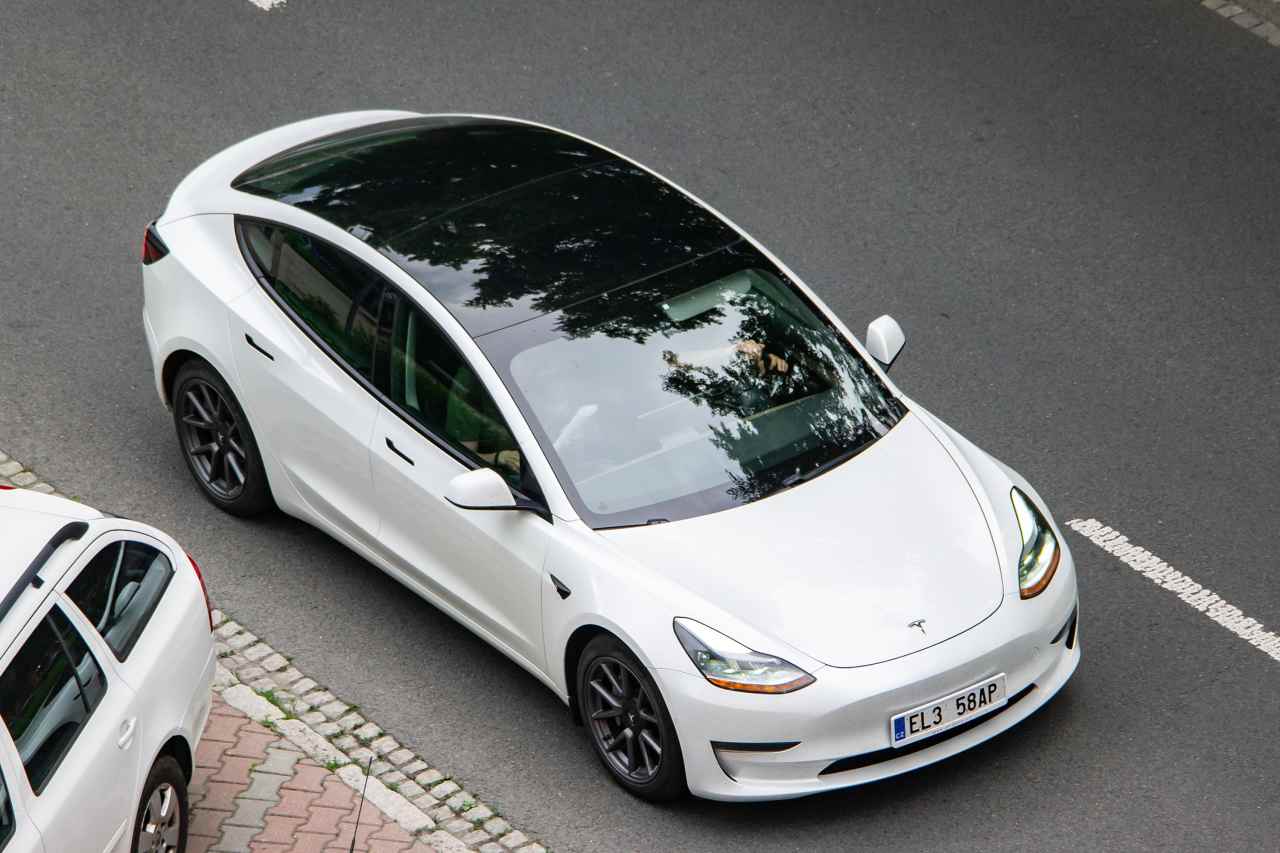
The Rise of Tesla’s Robo-Taxi Service
The wait for Tesla's robo-taxi service is finally coming to an end. Residents of Austin, Texas, along with investors and reporters, are on the edge of their seats as the company prepares to roll out its self-driving taxi service. Elon Musk, the CEO of Tesla, recently announced that the robo-taxis would be available for "open access" in September. This means that anyone interested in experiencing the service can do so within the next two to six weeks.
Tesla launched its self-driving taxis in Austin eight weeks ago, starting with a modest initiative. A small number of Tesla Model Y vehicles were used to transport selected passengers within a limited area of the city, with a safety monitor present in the front passenger seat. Despite this, the vehicles operated autonomously, and Tesla has been gradually expanding the areas it serves.
However, the service has not yet been opened to the general public. That is expected to change soon. Additional software upgrades are anticipated by September. These updates will enhance the performance of Tesla's Full Self Driving (FSD) software, which powers the robo-taxis. Each new version of FSD brings improvements, making the cars slightly better at driving.
Musk expressed confidence in the upcoming release, stating in a tweet from August 10 that the FSD update in about six weeks would represent a "dramatic gain." He mentioned that the software is currently undergoing training and testing.
Tesla's self-driving systems rely on optical cameras and the FSD software. In contrast, Waymo, a major competitor in the self-driving taxi space, uses a combination of radar, lidar, and cameras alongside advanced software. Waymo completes over 250,000 fully autonomous taxi rides each week, making it the more established player in the market.
Despite this, Tesla is betting on its simpler, less costly, camera-only technology and its manufacturing scale to become the leader in self-driving services. Any recent Tesla vehicle equipped with the latest FSD software can potentially function as a robo-taxi. With the ability to produce millions of cars annually, Tesla aims to dominate the market.
Winning in the self-driving car industry is significant for both companies and other players in the field. Analysts estimate that the opportunity for AI-driven ride-hailing services could be worth trillions of dollars. For many investors bullish on Tesla stock, the company's AI projects, including humanoid robots and self-driving technology, account for up to 75% of its total valuation.
Tesla's current valuation stands at roughly $1 trillion. On the day before the robo-taxi launch on June 22, Tesla stock closed at $322.16. By the following Friday, it had risen to $330.56, marking an increase of over $8 per share.
Investors are closely watching for further progress before increasing their bets on Tesla shares. Musk has ambitious plans, stating during Tesla's second-quarter earnings call in July that he expects autonomous ride-hailing to reach at least half of the U.S. population by the end of the year. This goal is subject to regulatory approvals, and Musk emphasized the company's cautious approach.
While Austin represents only a small portion of the U.S. population, achieving 50% coverage in a short time frame would be a remarkable achievement. On Monday, Tesla stock rose 1.4%, ending the day at $335.16. This marked the end of a three-day losing streak, while the S&P 500 remained flat and the Dow Jones Industrial Average dropped slightly.
Looking back, Tesla shares have declined by about 18% this year but have gained approximately 53% over the past 12 months. Investors remain hopeful as the company continues to push the boundaries of self-driving technology.

Post a Comment for "Tesla Robo-Taxi Ride Nears Arrival, Musk Announces"
Post a Comment