Tesla Cybertruck Owner Stunned by Glue-Dependent Design Flaw
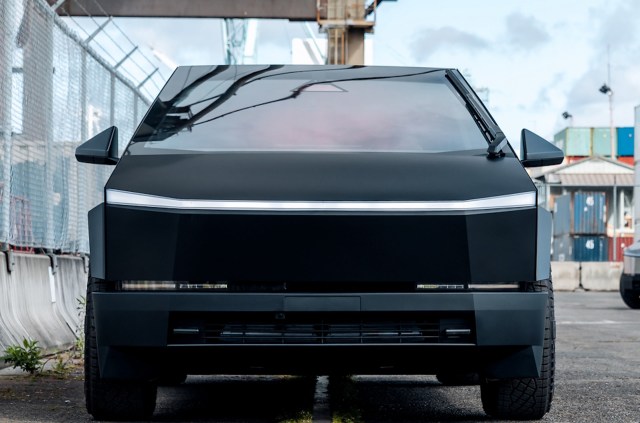
A Cybertruck Owner's Disappointment with a Glue-Related Issue
A Tesla Cybertruck owner recently found himself in an unexpected situation after taking his electric vehicle to the 114-degree desert. While hand-washing his truck, he noticed that the light bar on the vehicle had started to detach. The issue was particularly concerning because it raised questions about the durability and quality of materials used in the Cybertruck.
The owner, who goes by the name Duncan, shared a photo of the partially detached light bar on a forum post for the Cybertruck Owners Club. In his caption, he wrote, “Seems they rely too much on glue.” He also asked other forum members if they had experienced similar issues with their vehicles. This incident sparked a broader conversation among Cybertruck owners about the use of adhesives in the vehicle’s construction.
Concerns About Material Quality in Electric Vehicles
Many Cybertruck owners have expressed dissatisfaction with Tesla’s use of glue in assembling the vehicle. One member of the forum commented, “I have wondered why Tesla didn’t design the lightbar to be glued like it is but also with simple snap-in tabs on the ends that make it snap into place on the windshield.” This feedback highlights a growing concern among EV buyers about the long-term reliability of materials used in modern electric vehicles.
High-quality materials are essential in building new EVs because they ensure the safety, longevity, and performance of these vehicles. With global temperatures steadily rising, EVs must be able to withstand extreme weather conditions. Drivers need to feel confident that their EVs are durable and practical transportation choices worth the investment.
The Importance of Trust in EV Manufacturing
Owning an electric vehicle is one of the best ways to save money on gas and maintenance while reducing reliance on dirty energy and limiting pollution output. However, for EVs to gain widespread acceptance, they must be safe to drive and reasonably repairable and maintainable when damage occurs.
Manufacturers like Tesla play a crucial role in building consumer trust. By ensuring that their vehicles are built to last, they can help accelerate the adoption of electric vehicles and contribute to cleaner, greener roads.
Innovations in EV Construction
To address these concerns, technology companies have been working to improve how EVs are built. For example, AkzoNobel’s Resicoat is a powder coating technology that protects EV battery cells and motors. Researchers at Oak Ridge National Laboratory have developed advanced battery materials that speed up charge times and extend EV battery life.
These innovations highlight the ongoing efforts to enhance the performance and reliability of electric vehicles. Whether you choose to buy an EV from Tesla or another automaker, understanding how your vehicle is built can be fascinating. It is also highly recommended to contact your EV company if you notice any unexpected signs of wear and tear so that any manufacturing issues can be addressed promptly.
Staying Informed About EV Developments
As the EV market continues to grow, staying informed about the latest advancements is more important than ever. From improvements in battery technology to better manufacturing practices, there are many exciting developments shaping the future of electric vehicles.
If you're interested in learning more about how these innovations are improving our lives and shaping our future, consider joining a free newsletter for weekly updates. You might also want to check out this cool list of easy ways to help yourself while helping the planet.

Post a Comment for "Tesla Cybertruck Owner Stunned by Glue-Dependent Design Flaw"
Post a Comment