Tesla cuts UK leasing rates after 60% sales drop in July
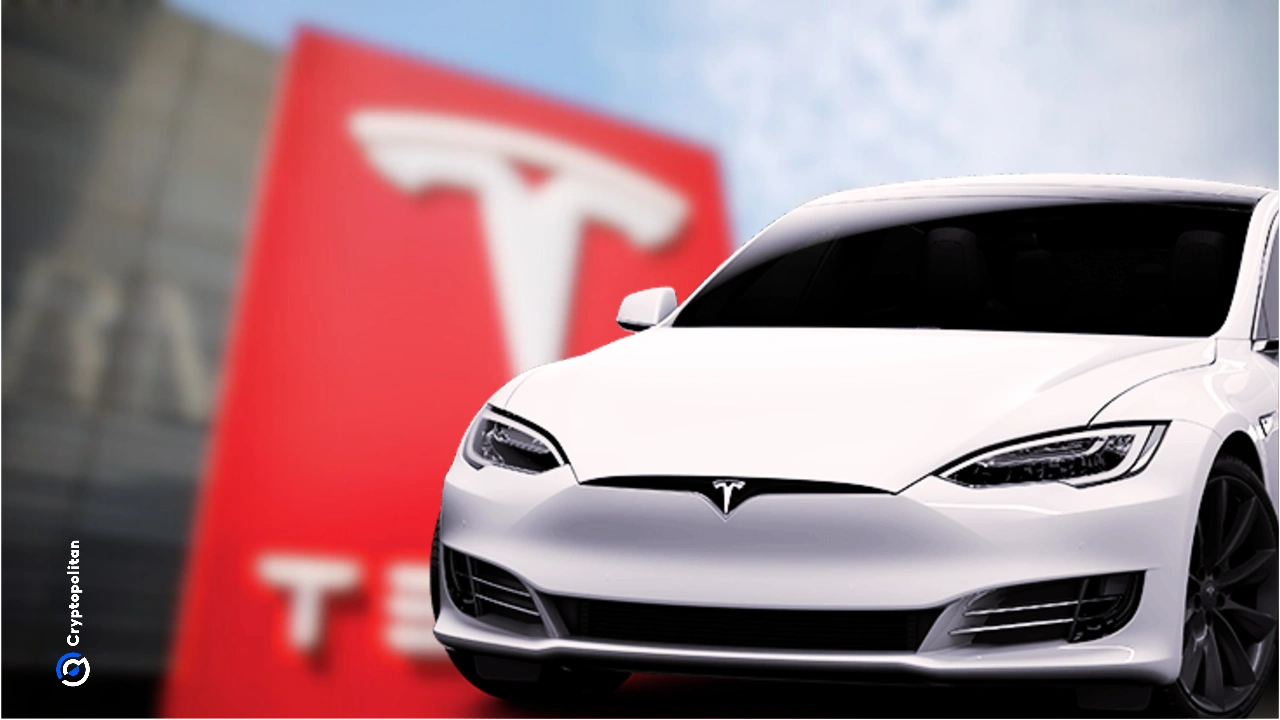
Tesla Leasing Prices in the UK Drop Dramatically
Tesla’s leasing prices in the United Kingdom have seen a significant decline, with monthly costs now less than half of what they were just a year ago. This drop has raised questions about the company’s position in the European market as it faces slowing sales and increased competition.
For instance, drivers can now lease a Tesla Model 3 for as little as £252 per month, down from between £600 and £700 last year. Similarly, the larger Model Y has also experienced a steep reduction in leasing costs, with payments dropping from approximately £700 to between £377 and £400. These changes reflect a broader trend of price adjustments aimed at maintaining sales momentum in a competitive market.
According to reports, automakers are offering leasing firms discounts of up to 40% if the vehicles are sold within three months. These savings are being passed on to consumers through lower monthly payments, making electric vehicles more accessible to a wider audience.
Sales Decline and Inventory Challenges
One of the main reasons behind these price cuts is the issue of excess inventory. Tesla is facing challenges with overcrowded stockyards and an oversupply of vehicles in the UK. The company is running out of space to park unsold cars, which has forced dealers and leasing firms to take on more stock. This has led to heavy discounts on full-price models to clear the backlog.
Data from the Society of Motor Manufacturers and Traders (SMMT) shows that Tesla's sales in the UK have plummeted. In July 2025, only 987 new Tesla cars were registered, compared to 2,462 units in the same month the previous year. This represents a 60% year-on-year decrease, signaling a major shift in the company's performance.
The broader automotive market has also faced pressure, though not as severely. Total UK car registrations dipped by around 5%, but Tesla's decline is attributed to specific brand-related issues rather than general economic downturns.
Market Competition and Consumer Preferences
Industry analysts suggest that several factors have contributed to the decline in Tesla’s sales. After years of rapid growth, demand for its core models—the Model 3 and Model Y—has waned. With the market flooded with new crossovers and SUVs, many potential buyers are opting for alternatives that offer lower prices, longer range, or more modern designs.
Additionally, Tesla is dealing with a growing inventory problem. Vehicles are piling up in lots, prompting the company and its leasing partners to slash prices to make room. Leasing firms are being offered discounts of up to 40%, a move that some analysts warn could harm the brand’s premium image.
Intense Competition in the European Market
Tesla is also navigating a fiercely competitive landscape in Europe. Chinese automaker BYD has entered the market with budget-friendly EVs such as the Atto 3 and Seal, while German brands like Volkswagen, BMW, and Mercedes-Benz continue to expand their electric vehicle offerings.
Despite these challenges, Tesla is preparing to deliver its high-performance 200 mph models to Europe in 2022. These models are expected to attract EV enthusiasts who have been anticipating the arrival of one of the world’s most influential charging networks.
Growth of the UK EV Market
While Tesla is losing ground, the UK electric vehicle market continues to grow. The sector is showing resilience and is preparing for exponential expansion. The BEEV (Battery Electric Vehicle) portion of new car registrations is expected to reach 23.8% in 2025, slightly higher than the previous forecast of 23.5%.
This growth is driven by increasing consumer interest in sustainable transportation and the availability of more affordable options. BYD, for example, saw a surge in sales in July, registering approximately 3,184 vehicles—more than three times the number of Tesla cars registered in the same month.
The rise of budget-friendly EVs from companies like BYD reflects a changing buyer landscape, where affordability and value are becoming key considerations. As the market evolves, it remains to be seen how Tesla will adapt to maintain its position in this dynamic industry.

Post a Comment for "Tesla cuts UK leasing rates after 60% sales drop in July"
Post a Comment