Terry Long's Second Death Certificate Remains Secret After Cause Change
The Controversial Death of Terry Long and the Link to CTE
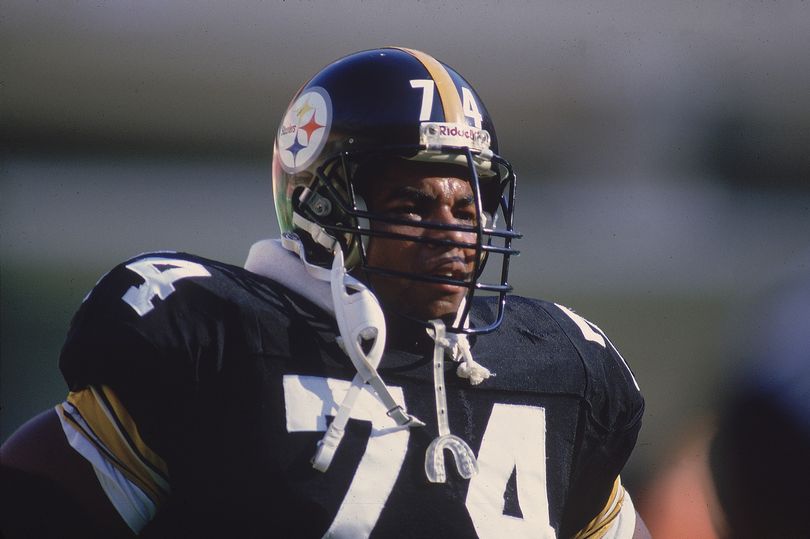
The tragic death of former Pittsburgh Steelers offensive lineman Terry Long has sparked ongoing debate about the long-term effects of football-related head injuries. Initially reported as a result of meningitis linked to chronic traumatic encephalopathy (CTE), his death was later reclassified as suicide after he consumed antifreeze. This change in the death certificate raised questions about the role of CTE in Long’s life and death, particularly as it relates to the broader conversation about brain injuries in professional sports.
Long, who played as a right guard for the Steelers from 1984 to 1991, faced personal struggles that led to his eventual suicide in 2005. He had been suspended for violating the NFL's steroid policy and attempted suicide with rat poison at one point. Although he returned to the team briefly, he was never re-signed. His death came at the age of 45, and while initial reports suggested meningitis caused by CTE, further tests revealed the presence of ethylene glycol, the main component of antifreeze, in his system.
The revised death certificate stated that Long died by suicide due to drinking antifreeze. Medical officials noted that the antifreeze caused swelling in the brain and its lining, but they also considered football-related brain injuries as a contributing factor. This finding reignited discussions about the dangers of repeated head trauma in football and the potential long-term consequences for players.
Dr. Bennet Omalu, a neurologist who worked on Long’s autopsy, argued that CTE can lead to depression and suicidal behavior. He claimed that Long’s suicide was directly linked to the condition caused by his years of playing football. However, not everyone agreed with this conclusion. Dr. Joseph Maroon, a former Steelers team physician and expert on concussions, dismissed the idea that CTE was the primary cause of Long’s death. He called the reasoning “fallacious” and questioned whether it was plausible to connect Long’s death to football-related brain injuries over a decade after he had stopped playing.
CTE is a progressive degenerative brain disease associated with repeated concussions and head trauma. It has become a major concern in sports, especially in contact sports like football. Studies have shown that a significant percentage of former NFL players suffer from CTE. For example, a study conducted by Boston University found that 92% of the 376 former NFL players examined showed signs of the condition.
This high prevalence of CTE among athletes has led to increased awareness and research into the long-term effects of head injuries. Many former players have spoken out about their experiences with the condition, highlighting the need for better protection and support for athletes.
Despite the growing body of evidence linking football to CTE, there is still much debate about how the condition affects individuals differently. Some experts argue that while CTE can contribute to mental health issues, it is not always the direct cause of suicide or other severe outcomes. Others believe that the cumulative effect of repeated head trauma is a serious risk that must be addressed.
The case of Terry Long serves as a reminder of the importance of understanding and addressing the risks associated with football-related head injuries. As more research is conducted and awareness grows, the hope is that future generations of athletes will have access to better care and support to prevent similar tragedies.
The Connection Between Football and CTE
The link between football and CTE has become a central topic in discussions about player safety and long-term health. While some studies suggest a strong correlation, others caution against drawing definitive conclusions without more data. Here are some key points to consider:
- Repeated Head Trauma: CTE is often associated with repeated concussions and subconcussive impacts, which are common in contact sports like football.
- Symptoms: Players with CTE may experience mood swings, depression, memory loss, and behavioral changes. These symptoms can appear years after an athlete has retired.
- Research Findings: Studies such as the one conducted by Boston University have highlighted the high incidence of CTE among former NFL players, raising concerns about the sport’s impact on mental health.
- Debates and Disagreements: Experts continue to debate the extent to which CTE contributes to suicide and other severe outcomes. Some argue that other factors, such as personal struggles or mental health issues, may play a larger role.
- Prevention and Care: There is a growing emphasis on improving safety measures, early detection, and support systems for athletes to mitigate the risks of CTE and related conditions.
As the conversation around CTE continues, it is essential to balance scientific findings with individual experiences and perspectives. The goal is to ensure that athletes receive the care and resources they need to protect their long-term health.

Post a Comment for "Terry Long's Second Death Certificate Remains Secret After Cause Change"
Post a Comment