Teaching Youth to Recognize Human Trafficking Signs
Addressing the Growing Threat of Sextortion Among Youth
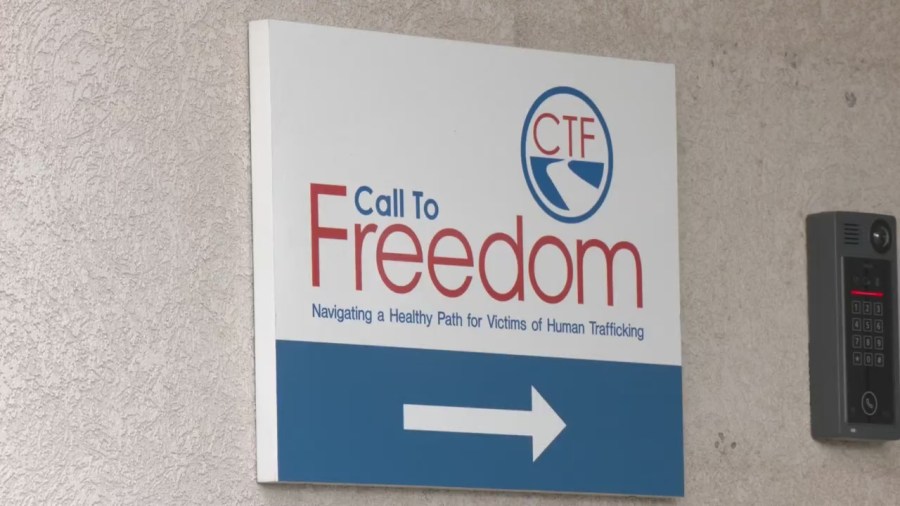
In Sioux Falls, South Dakota, a local non-profit organization is working tirelessly to educate young people about the dangers of sex trafficking and related threats like sextortion. Call to Freedom, an organization dedicated to preventing exploitation, has been conducting presentations for thousands of students over the past two years. However, they are now aiming to expand their reach even further, ensuring that more children are aware of the risks they face in the digital age.
One of the most concerning tactics used by traffickers is sextortion, a form of exploitation where individuals, often posing as peers, build relationships with minors online before demanding explicit content. Once these images or videos are obtained, they are frequently used to blackmail the victims for more material or money. Becky Rasmussen, president and CEO of Call to Freedom, explained how this method is particularly effective: “Sometimes, they’ll be men that are actually posing as young ladies and making connections with these young boys, building relationships, essentially asking them to send nude pictures or nude videos. Once they receive those pictures, then they begin to blackmail them for either more pictures or for financial reasons.”
Research from the National Center for Missing and Exploited Children and anti-child sexual abuse technology company Thorn highlights the alarming reality that 90% of known financial sextortion victims are boys between the ages of 14 and 17. According to Rasmussen, this trend is driven by the fact that young boys are more likely to pay off blackmail debts than girls. “These individuals are all about making money,” she said.
To combat this growing issue, Call to Freedom has developed its Speak Up youth prevention curriculum. This program aims to equip children with the knowledge and tools needed to recognize and respond to potential threats. The curriculum covers topics such as sextortion, online commercial sexual exploitation, and human trafficking, and is delivered free of charge to schools and after-school programs across the region.
The organization’s efforts have already reached over 6,000 students in the last two years, with staff and volunteers conducting between 300 to 350 youth presentations. Steve Sternhagen, youth navigator coordinator, and Rachel Gage, a youth prevention volunteer, play key roles in delivering these sessions. Their goal is to ensure that students can apply what they learn in real-life situations. “The goal is that when they leave the training, they’re able to apply that to their real life settings. If something comes up, they have words to use, vocabulary to utilize, and a little bit of practice in what those conversations might look like,” Gage said.
The content of each presentation is tailored to the age of the audience. For younger children, the focus is on internal safety signals, such as using their heart and stomach as “safety meters” to detect when something feels wrong. For middle school and high school students, the discussions shift toward social media safety, emphasizing the importance of questioning who they interact with online and recognizing unsafe situations.
Sternhagen, who has two granddaughters, shared his personal motivation for the work: “I want to make sure that they’re safe.” His commitment reflects the broader mission of Call to Freedom, which is to empower every young person with the knowledge and confidence to speak up and stay safe.
Currently, the organization conducts trainings one to two times per week, but they aim to increase this frequency. With the support of both staff and volunteers, Call to Freedom hopes to eventually reach every county in South Dakota.
By continuing to raise awareness and provide education, Call to Freedom is making a significant impact in protecting youth from exploitation. Their work serves as a vital reminder that prevention starts with education, and every child deserves the chance to grow up safely.

Post a Comment for "Teaching Youth to Recognize Human Trafficking Signs"
Post a Comment