Tariff Rebates Explained: How Would They Function?
Introduction to the Tariff Rebate Proposal
If you've been hoping for another stimulus check since receiving your last payment in 2021, there may be some positive news on the horizon. Senator Josh Hawley (R-Mo.) has introduced a new piece of legislation that could potentially bring about a form of financial relief for American citizens through what is being called "tariff rebates." This proposal aims to allow hard-working Americans to benefit from the wealth generated by tariffs implemented during the previous administration.
Understanding the Tariff Rebate Concept
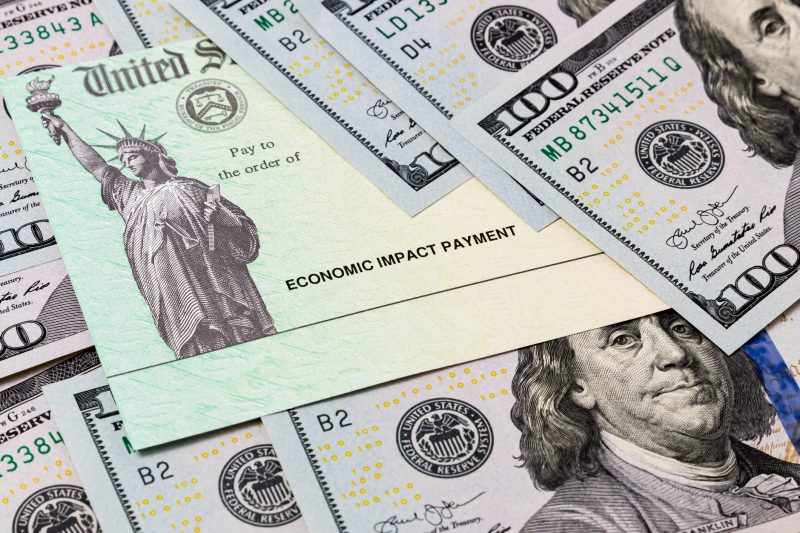
The proposed tariff rebates are modeled after the direct payments made under the 2020 CARES Act. During that time, adults received $1,200, and dependent children received $500. However, the current proposal differs in its intent. Instead of being a one-time stimulus, these rebates would serve to offset the higher prices consumers have faced due to tariffs.
According to Senator Hawley, the U.S. has already collected $30 billion in tariff revenue as of June, with projections suggesting this could exceed $150 billion this year alone. The bill proposes that each adult receive at least $600, with the same amount given to each dependent child. For example, a dual-income, no-kids household could receive a minimum of $1,200, while a family of four might get up to $2,400.
Potential Increases and Adjustments
The amount of the rebate could increase if the tariff revenue surpasses current projections for 2025. However, the payments would also be adjusted based on household income. The bill outlines specific income thresholds: $150,000 for joint filers, $112,500 for heads of households, and $75,000 for single taxpayers. These figures indicate that higher-income households may receive smaller rebates or none at all.
Eligibility Criteria
While the bill does not explicitly outline who would be eligible, it does specify who would not qualify. This includes nonresident aliens, individuals who can be claimed as dependents on another taxpayer's return, and estates or trusts. Similar to the previous stimulus checks, eligibility and payment amounts would likely be determined by the most recent tax filings.
Timeline and Implementation
It remains uncertain when these tariff rebates could be sent out, as the bill still needs to pass through Congress. President Donald Trump has expressed support for the idea, noting that the U.S. has “so much money coming in” due to tariffs and that a “little rebate” could be beneficial for certain income levels. However, he emphasized that the primary goal is to pay down the national debt.
Federal Deficit and Public Debt
As of the latest data, the federal deficit stands at approximately $36.7 trillion. For those interested in contributing to reducing this debt, there is now an option to use Venmo to donate to the “Gifts to Reduce the Public Debt” program.
Conclusion
Senator Hawley’s proposal introduces a new approach to addressing the impact of tariffs on consumers. While the details of the bill are still being developed, the potential for tariff rebates offers a glimpse into how the government might seek to balance economic pressures with financial relief for citizens. As the legislative process unfolds, further developments will be closely watched by both policymakers and the public.

Post a Comment for "Tariff Rebates Explained: How Would They Function?"
Post a Comment