Taliban Weaponize Justice to Oppress Women, UN Expert Warns
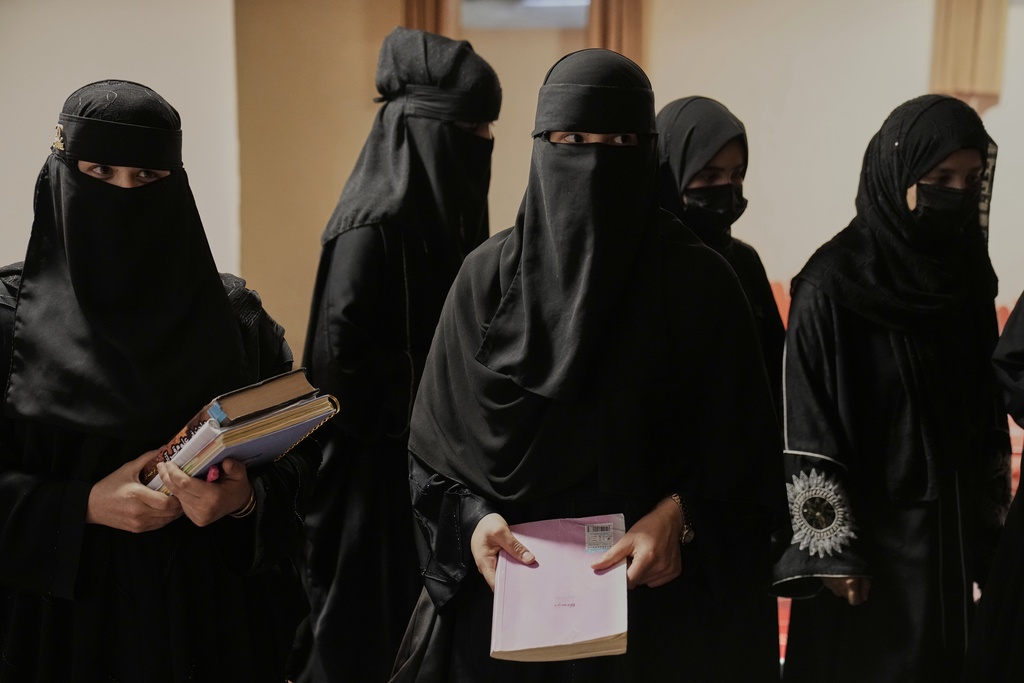
The Taliban's Systematic Oppression of Women and Girls in Afghanistan
The Taliban's governance in Afghanistan has led to a systematic erosion of women's and girls' rights, with the legal and judicial system being weaponized to enforce this oppression. An independent U.N. investigator on human rights in the country has highlighted that these actions constitute "crimes against humanity." According to Richard Bennett, who presented a report to the U.N. General Assembly, the Taliban have dismantled the 2004 constitution and laws that previously protected women's rights, including a landmark law criminalizing 22 forms of violence against women such as rape, child marriage, and forced marriage.
Dismantling of Judicial Structures
Following their takeover in 2021, the Taliban dismissed all judges from the previous government, including approximately 270 women, replacing them with men who share their extreme Islamic views and lack proper legal training. These new officials base their decisions on edicts issued by the Taliban rather than established legal frameworks. This has resulted in a judiciary that is not only unqualified but also biased against women and girls.
In addition, the Taliban have taken full control of law enforcement and investigative agencies, systematically removing individuals who had worked for the previous government. This has further weakened the ability of the Afghan population to seek justice or protection.
Restrictions on Education and Employment
Since the Taliban took control, they have imposed severe restrictions on women and girls. They have banned education for females beyond sixth grade and limited most employment opportunities. Women are also prohibited from accessing many public spaces, including parks, gyms, and hairdressers. New regulations even ban women’s voices and bare faces outside the home, effectively silencing them in public life.
These measures have been widely condemned globally, and the Taliban remain isolated from the West due to their oppressive policies. Currently, only Russia recognizes the Taliban regime.
Lack of Legal Protections
Bennett, appointed by the Geneva-based U.N. Human Rights Council, focused on access to justice and protection for women and girls in his report. He conducted meetings, focus-group discussions, and one-on-one interviews with over 110 Afghans both inside and outside the country. However, he was unable to travel to Afghanistan due to the Taliban's refusal to grant him a visa.
Despite the Taliban's claim that they are implementing Islamic sharia law, many Islamic scholars argue that their interpretation is unique and does not align with traditional Islamic teachings. They emphasize that protecting women's legal rights is a fundamental principle in Islam.
No Legal Representation for Women
Bennett noted that women have virtually no legal representation in the current system. There are no women judges, prosecutors, or officially registered female lawyers, leaving women and girls without safe channels to report abuse or seek redress. The absence of female officials in police and other institutions exacerbates the problem, leading to widespread underreporting of violence and discrimination against women and girls.
Undermining Legal Safeguards
Access to justice for girls is further undermined by the dismantling of key legal safeguards and institutions that once protected children's rights. This includes the closure of juvenile courts and rehabilitation centers, which were crucial for addressing the needs of young people.
Barriers to Justice
The Taliban's requirement that a woman must be accompanied by a male relative creates significant barriers to filing complaints and attending court proceedings. This policy disproportionately affects widows, women who are heads of households, the displaced, and disabled individuals.
Women who engage with the Taliban court system face a hostile environment. Courts often reject complaints made by women and are especially reluctant to accept cases related to divorce, child custody, and gender-based violence. As a result, many women turn to traditional and informal justice mechanisms, such as jirgas and shuras—community councils of elders—and mediation by religious leaders or family members. However, these systems are male-dominated and raise serious concerns about the rights of women and girls.
International Efforts for Justice
Bennett emphasized that international forums offer the best hope for justice. He pointed to the International Criminal Court's request for arrest warrants for two senior Taliban leaders accused of crimes against humanity for persecution "on gender grounds." He also urged all countries to support efforts to bring Afghanistan before the International Court of Justice, the U.N.’s highest tribunal, for violating the Convention on the Elimination of All Forms of Discrimination against Women.

Post a Comment for "Taliban Weaponize Justice to Oppress Women, UN Expert Warns"
Post a Comment