Taiwan's President Cancels U.S. Stop Amid Shifting China Relations
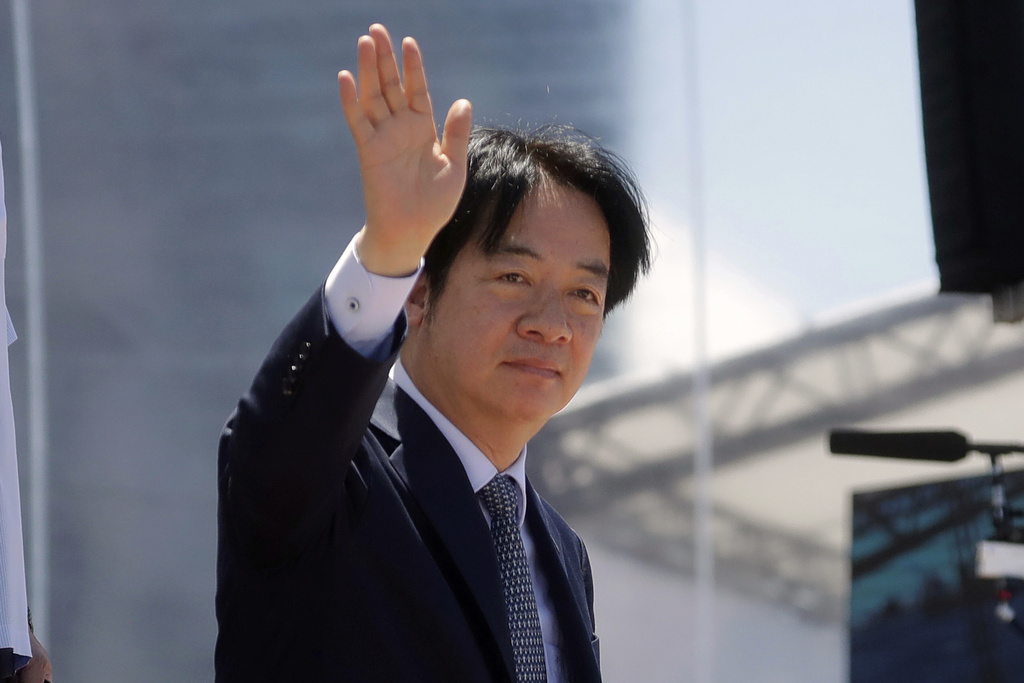
The Cancellation of Taiwanese President Lai’s U.S. Transit
The planned transit of Taiwanese President Lai Ching-te through the United States on his way to Latin America has been canceled, sparking confusion and speculation about the reasons behind the decision. This cancellation has raised concerns among experts and political observers, as it could have significant implications for U.S.-China relations.
According to reports, the Trump administration was involved in discussions regarding the potential stopover. One source indicated that the U.S. had requested that Taipei rearrange the transit, specifically avoiding New York. Another source suggested that Beijing may have sensed an opportunity to influence the situation, given the perceived urgency of President Trump to meet with Chinese President Xi Jinping.
Despite these claims, the White House did not provide any official statements on the matter. Tammy Bruce, a spokesperson for the State Department, stated that the issue was "hypothetical" because Taiwan had not officially announced any travel plans for Lai. She emphasized that there were no concrete plans in place at the time.
Background and Context
The cancellation occurred amid ongoing discussions late last week, during which it became clear that the Trump administration was considering the potential transit by Lai. However, it remained unclear whether the administration actively sought to block the trip or if they were open to allowing the transit through a different city, such as Dallas, Texas.
The United States has legal obligations under its own laws to provide military support to Taiwan, which separated from China in 1949 following a civil war. China asserts sovereignty over Taiwan and has repeatedly vowed to reclaim the island, even by force if necessary.
Jason Hsu, a senior fellow at the Hudson Institute and former legislator in Taiwan's Legislative Yuan, commented that Taiwan typically consults with the U.S. on transit arrangements. He described the current situation as "abnormal," noting that such stopovers are permitted under the Taiwan Relations Act. Tammy Bruce reiterated that transits by high-level Taiwanese officials, including the president, are consistent with U.S. policy and practice.
Reasons for the Cancellation
In Taipei, Karen Kuo, a spokesperson for the presidential office, stated that there were no immediate plans for Lai to travel overseas. She cited recent efforts to recover from a typhoon disaster in southern Taiwan, ongoing tariff negotiations with the U.S., and regional developments as key factors in the decision.
This type of transit has historically been routine, but it often draws protests from Beijing. The Chinese Embassy did not respond to requests for comment, but it is known that Beijing consistently opposes any U.S. transit by Taiwanese leaders.
Lai was elected president of Taiwan in 2024. On his first overseas trip in November, he made stops in Hawaii and Guam, where he was received by U.S. politicians. While such transits have been common under previous administrations, Beijing views Lai as more assertive in his stance on Taiwan independence, making him a target for criticism.
Implications and Reactions
Zack Cooper, a senior fellow at the American Enterprise Institute, noted that while past U.S. administrations have not used Taiwan as a bargaining chip in negotiations with China, this decision raises questions about whether the Trump administration is reconsidering that approach.
Jason Hsu, another senior fellow at the Hudson Institute, argued that by preventing Lai’s stopover, the Trump administration appears to be accommodating China’s demands. This perception has led to criticism from Democrats on the House Foreign Affairs Committee.
Rep. Raja Krishnamoorthi of Illinois, the top Democrat on the House Select Committee on the Strategic Competition Between the United States and the Chinese Communist Party, called the decision "another example of the Trump Administration caving to China in hopes of reaching a trade deal."
He emphasized that past presidents from both parties have allowed Taiwan officials to transit through the U.S., and that the current administration should follow the same precedent.

Post a Comment for "Taiwan's President Cancels U.S. Stop Amid Shifting China Relations"
Post a Comment