Supreme Court Permits Trump to Dismiss Agency Officials
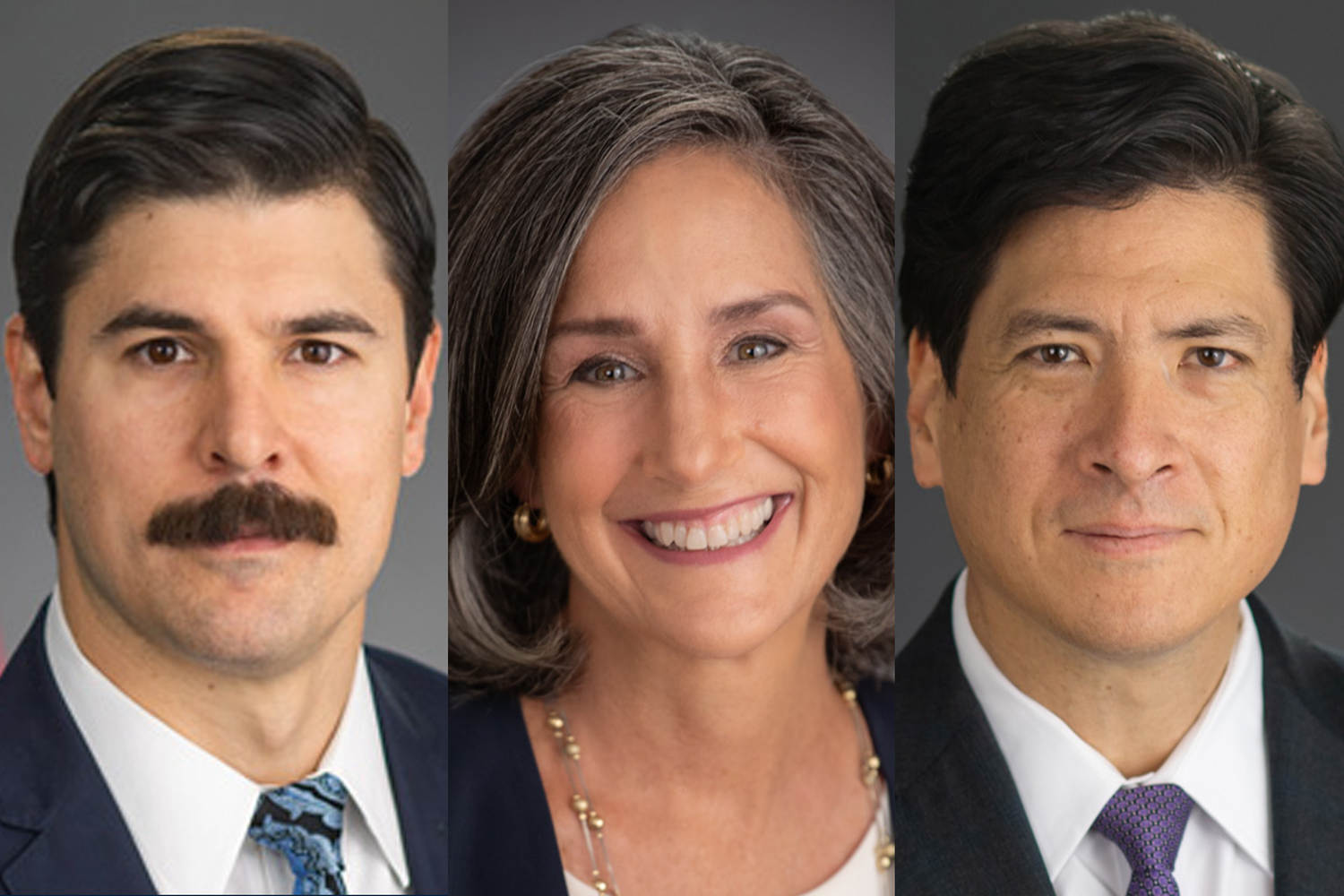
Supreme Court Allows Trump to Remove Members of Consumer Product Safety Commission
The U.S. Supreme Court has taken another step in its ongoing effort to reshape federal agencies by allowing President Donald Trump to remove members of the Consumer Product Safety Commission (CPSC). This decision, issued as an emergency order, prevents a lower court ruling that had reinstated three commissioners appointed by former President Joe Biden. The move has significant implications for the independence of federal agencies and the balance of power between the executive and legislative branches.
The CPSC, established by Congress in 1972, is responsible for ensuring the safety of consumer products in the United States. It operates with five members, each serving staggered seven-year terms to prevent political influence. However, without the three reinstated members, the commission currently lacks the quorum needed to function effectively. This situation has raised concerns about the agency's ability to carry out its critical responsibilities.
The Supreme Court’s decision came after Trump attempted to fire the three commissioners, despite legal restrictions that typically require removals to be based on "neglect of duty or malfeasance." This action aligns with a broader pattern of Trump’s efforts to restructure federal agencies by removing officials who do not align with his policies. The court has previously allowed similar actions against other independent agencies, including the National Labor Relations Board and the Merit Systems Protection Board.
The unsigned order from the Supreme Court stated that the current case was "squarely controlled" by its earlier decisions, reinforcing the idea that the court is moving away from longstanding precedents. In this instance, the three liberal justices on the court—Justices Sotomayor, Kagan, and Ginsburg—dissented, arguing that the ruling undermines the independence of the CPSC as designed by Congress.
Lower court judges had relied on the 1935 precedent set in Humphrey’s Executor v. United States, which upheld the protections for independent agencies. While the Supreme Court has not formally overturned this ruling, it has signaled a willingness to reconsider it in future cases. Recent rulings have challenged similar protections, citing constitutional concerns over limitations on presidential authority.
In May 2020, the Supreme Court ruled against the Consumer Financial Protection Bureau director, and in 2021, it struck down similar protections for the Federal Housing Finance Agency. These decisions have created a legal environment where independent agencies face increasing pressure from the executive branch.
Trump’s attempt to remove the CPSC members led to a series of legal challenges. A U.S. District Court judge ordered the reinstatement of the three commissioners, but the 4th U.S. Circuit Court of Appeals declined to put that ruling on hold. The reinstated members returned to their positions, leading to further disputes over the legality of their removal.
Solicitor General D. John Sauer argued that the lower court’s ruling has caused "chaos and dysfunction" at the agency, with the reinstated members attempting to reverse decisions made during their absence. On the other hand, lawyers for the commissioners claimed that allowing their removal would only add to the disruption, noting that some of their actions were aimed at correcting unlawful decisions made while they were not in office.
This latest development highlights the growing tension between the executive branch and independent agencies, raising questions about the future of regulatory oversight in the United States. As the Supreme Court continues to shape the legal landscape, the role of these agencies—and their ability to act independently—remains under scrutiny.

Post a Comment for "Supreme Court Permits Trump to Dismiss Agency Officials"
Post a Comment