Supreme Court Coverage Shifts Toward Politics Since Scalia's Death and GOP Nomination Blockade
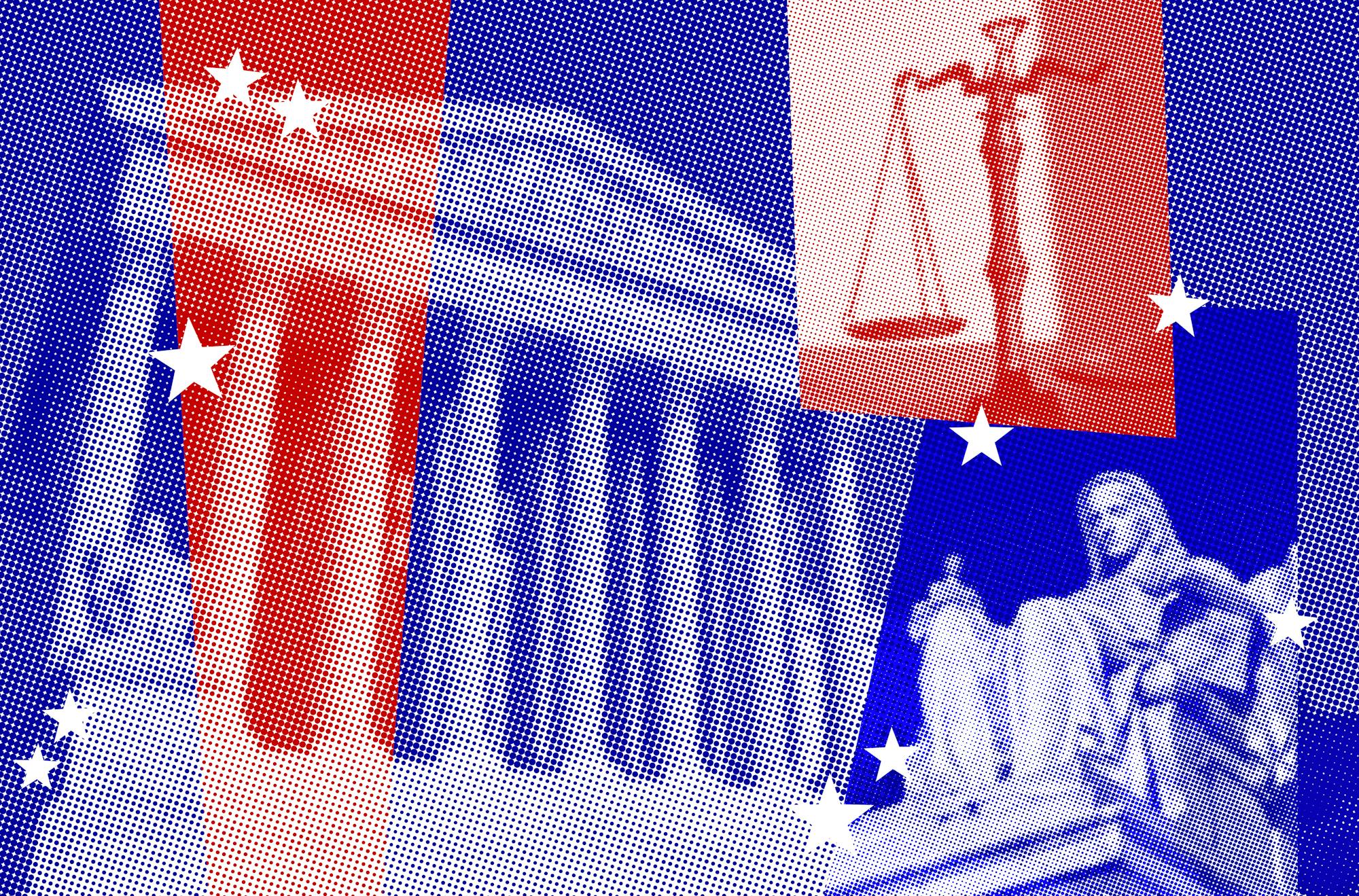
The Evolution of Media Coverage on the Supreme Court
The U.S. Supreme Court has long been at the center of some of the nation’s most significant legal and political debates. From landmark rulings on civil rights to decisions that shape the landscape of free speech, the court's influence extends far beyond the courtroom. As a result, the selection of justices has become a focal point for political strategies, with parties and interest groups vying for control over who will serve on the high court.
Public awareness of the court and its decisions typically comes through news media. Unlike elected officials who can directly engage with voters, Supreme Court justices and nominees rely heavily on journalists to convey information about their work. This dynamic gives the media a crucial role in shaping public perception of the court.
Over the past four decades, there has been a noticeable shift in how newspapers cover the Supreme Court. Scholars have examined this transformation by analyzing articles from five major newspapers between 1980 and 2023. Their findings reveal a growing emphasis on the political dimensions of the court, a trend that became especially pronounced after 2016.
A Shift in Public Perception
One of the most pivotal cases in recent history was Bush v. Gore in 2000, which decided the outcome of the presidential election. Despite the ruling being influenced by the ideological leanings of the justices, the media largely avoided framing the decision in political terms. Articles focused on the legal aspects rather than the political implications, reinforcing the public's belief that the court operates based on legal principles rather than partisan agendas.
This approach helped maintain the court's public support during a time when the decision had the potential to spark controversy. However, this balance began to shift as the media started to incorporate more political language into their coverage.
The Impact of Political Framing
In the years following the 2016 death of Justice Antonin Scalia, newspaper coverage of the Supreme Court underwent a dramatic transformation. The vacancy left by Scalia created a political battleground, with President Barack Obama's nomination of Merrick Garland facing obstruction, and Republican candidate Donald Trump promising to appoint a conservative justice who would overturn Roe v. Wade. This event marked a turning point in how the media reported on the court.
Data from our study shows that the number of political frames in articles about the Supreme Court tripled between 1980 and 2023. Before 2016, articles averaged around 3.5 political frames per piece, but this number rose to 5.30 in 2016 alone. The change was not gradual; it was abrupt, with the day after Scalia’s death seeing a significant increase in political references.
How Framing Influences Public Opinion
The way news stories frame the court can significantly affect how people view its legitimacy. When a decision is described as "originalist," readers may perceive the court as focused on legal interpretation. However, if a story emphasizes the ideological leanings of the justices, it can lead to perceptions of the court as politically driven.
Our research found that when people read articles using political frames, their approval of the court tends to decrease. Most Americans expect the court to be impartial, and the increasing politicization of its decisions has led to declining public support.
The Court’s New Reality
Today, the Supreme Court is often seen as aligned with conservative policies on key issues. This shift has been accompanied by a media landscape that increasingly highlights the political nature of the court. While the media may not be solely responsible for the court's declining approval, the justices' consistent ideological decisions have contributed to this perception.
As the court continues to face scrutiny, it may need to adapt to its current standing in the public eye. The interplay between media coverage and judicial behavior suggests that the political framing of the court is unlikely to diminish soon. This dynamic presents challenges for both the court and the media, as they navigate the evolving relationship between law and politics.

Post a Comment for "Supreme Court Coverage Shifts Toward Politics Since Scalia's Death and GOP Nomination Blockade"
Post a Comment