Sudden Motorbike Ban Shuts Down Major City — What You Need to Know
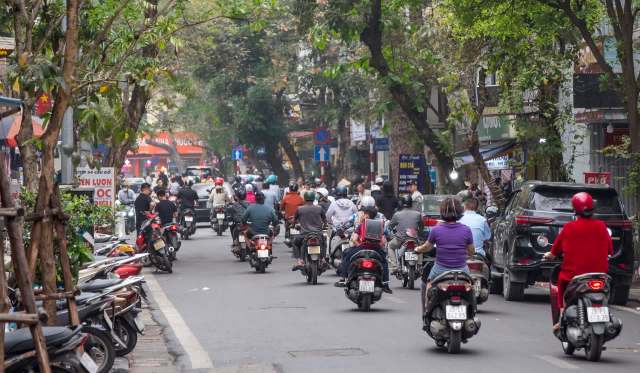
Hanoi Takes Bold Steps to Combat Air Pollution
Hanoi, the capital of Vietnam, has long struggled with severe air pollution, often ranking among the most polluted cities globally. In response, the city is implementing a series of aggressive measures aimed at improving air quality and reducing environmental harm. These actions are part of a broader effort to address the health and ecological impacts of pollution in the region.
One of the most significant steps involves restricting vehicle types on major roads. Starting in July 2026, all gas-powered motorbikes and mopeds will be banned from Ring Road 1, a key road that surrounds the city center. By 2028, the ban will expand to include both Ring Roads 1 and 2, with additional restrictions placed on fossil fuel-powered cars. By 2030, these limitations will also apply to Ring Road 3. This initiative is expected to significantly reduce emissions from transportation, which is a major contributor to Hanoi’s pollution problem.
The new policy was announced by Vietnamese Prime Minister Pham Minh Chinh and includes several complementary measures. Local officials are required to launch public awareness campaigns to educate residents about the changes and their benefits. Additionally, the city must upgrade its public transportation fleet to more eco-friendly alternatives, such as electric or hybrid vehicles. These efforts aim to make sustainable transportation more accessible and encourage a shift away from polluting modes of travel.
The need for such action is urgent. According to the World Health Organization, over 60,000 deaths each year in Vietnam are linked to air pollution. Hanoi, in particular, has been heavily affected, with IQAir, an organization that tracks air quality across nearly 9,000 cities worldwide, listing it among the 200 most-polluted cities. During parts of the past winter, Hanoi was even ranked as the most-polluted city globally. In March, the air quality reached dangerous levels, leading to school closures and widespread health concerns.
Additional Measures to Reduce Pollution
Hanoi is not only targeting vehicle emissions but is also addressing other sources of pollution. The city has announced a comprehensive ban on single-use plastics, including straws, cups, and food containers. This initiative will be implemented gradually, starting this fall with food establishments along Ring Road 1. By 2031, the city will prohibit the import, export, or sale of any single-use plastic items or products containing microplastics.
These measures reflect a growing recognition of the interconnected nature of environmental challenges. By tackling both air and plastic pollution, Hanoi is taking a multi-pronged approach to improve the quality of life for its residents and protect the environment for future generations.
Public Awareness and Community Involvement
Public support and participation are crucial to the success of these initiatives. As part of the new law, officials are tasked with creating educational campaigns to inform citizens about the reasons behind the restrictions and how they can contribute to a cleaner environment. This includes promoting the use of public transportation, adopting eco-friendly habits, and supporting local businesses that align with sustainability goals.
Residents are also encouraged to take personal responsibility for their impact on the environment. Simple actions, such as reducing plastic use, carpooling, and using energy-efficient appliances, can collectively make a significant difference. By fostering a culture of environmental stewardship, Hanoi aims to create lasting change that benefits both people and the planet.
Looking Ahead
As Hanoi moves forward with these ambitious policies, the city faces both challenges and opportunities. Implementing large-scale changes requires careful planning, investment, and collaboration between government agencies, businesses, and the public. However, the potential benefits—improved air quality, reduced health risks, and a more sustainable urban environment—are substantial.
The success of these efforts will depend on continued commitment and innovation. By learning from global best practices and adapting them to local conditions, Hanoi can serve as a model for other cities facing similar environmental challenges. With time and collective effort, the city may one day see a dramatic improvement in its air quality, offering a healthier and more vibrant future for its residents.

Post a Comment for "Sudden Motorbike Ban Shuts Down Major City — What You Need to Know"
Post a Comment