Study Reveals 'One Big Beautiful Bill's' Effect on New York's Asian Community
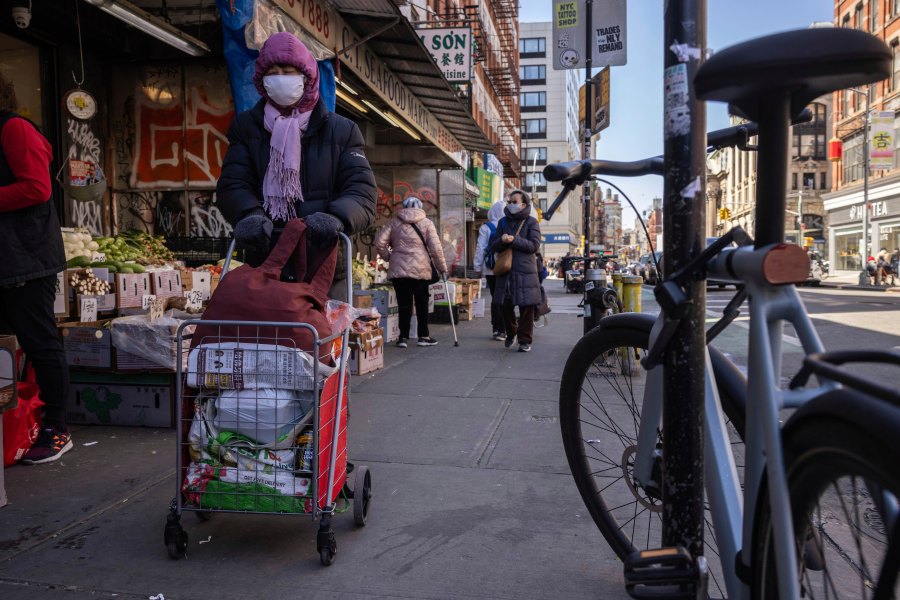
Impact of H.R. 1 on Asian American Communities in New York
H.R. 1, often referred to as the "One Big Beautiful Bill," has sparked significant concern among community leaders and advocates in New York, particularly for Asian American residents. The legislation, which was signed into law on July 4, is criticized for its tax cuts benefiting the wealthiest Americans while posing serious threats to healthcare funding and essential social programs that many New Yorkers rely on.
According to the Asian American Federation (AAF), this bill could cost New York up to $14 billion in healthcare dollars. The implications are especially severe for Asian American communities, including children, immigrant families, seniors, healthcare workers, and college students. Assemblymember Grace Lee, the first Korean American woman elected to New York State government, emphasized that the bill represents a direct attack on Asian American New Yorkers. She noted that the impact will be felt in hospitals, classrooms, and homes across the state.
The bill significantly reduces funding for Medicaid, the Affordable Care Act, and the Supplemental Nutrition Assistance Program (SNAP). These cuts threaten healthcare, food aid, and education for millions of New Yorkers. Additionally, it increases the budget for Immigration and Customs Enforcement (ICE) by 308%, raising concerns about the atmosphere of fear among immigrant communities.
Senator John Liu, a Democrat representing northeast Queens, highlighted the growing fear within New York’s immigrant populations. He pointed out that increased ICE presence can lead to more arrests, workplace raids, and family separations, especially affecting Asian immigrants who make up 24% of the state's undocumented population. About 501,100 non-citizen New Yorkers are Asian, making them particularly vulnerable.
New York has taken legal action to challenge the Medicaid cuts for Planned Parenthood, reflecting the broader struggle against the bill's provisions. The law also introduces new fees that could further burden Asian American communities. For example, undocumented immigrants facing court hearings may be required to pay $5,000, and there are additional costs for green card adjustments, asylum applications, and work permits. These financial burdens are especially concerning for refugees and asylees who have fled danger with limited resources.
Moreover, the bill imposes work requirements and new paperwork that disproportionately affect Asian New Yorkers, many of whom have limited English skills or lack reliable internet access. In New York City, 45% of older Asians live in or near poverty, and 70% have limited English proficiency, making these new rules particularly challenging.
The bill also threatens health insurance for many Asian New Yorkers, particularly those relying on the Essential Plan. About 636,000 Asian New Yorkers depend on Medicaid or other government assistance plans. The cuts to SNAP and the Children’s Health Insurance Program put children and families at risk of food insecurity and reduced healthcare access.
Additionally, the bill impacts higher education by cutting Pell Grants and capping federal student loans, making college less affordable for Asian American students. Nationally, 47% of Asian American college students receive federal financial aid, and 36% of Pell Grant recipients are Asian. This could result in many students delaying or dropping out of school.
The AAF suggests that New York should increase funding for community-based organizations that provide culturally appropriate assistance to Asian New Yorkers. These organizations are already overwhelmed with demand, and the situation is expected to worsen as the bill's effects take hold.
There is also a pervasive myth of the “model minority,” which masks the vulnerabilities of low-income Asian immigrants, especially the elderly, undocumented, or newly arrived. This myth leads to policy neglect, with the assumption that Asians will advocate for themselves without a safety net.
In response to H.R. 1, community leaders and experts have convened to discuss the real-life consequences of the bill’s cuts. They emphasize that Asian Americans are essential to every sector, from frontline workers to students and small business owners. However, the law undermines the programs that their families rely on.
A recent national poll found that Trump's favorability has declined among Asian American, Native Hawaiian, and Pacific Islander adults. Concerns about the economy and potential job losses are significant, with many fearing that tariffs will increase consumer goods costs rather than boost domestic manufacturing.
Overall, the impact of H.R. 1 extends beyond Asian American communities, affecting all New Yorkers. As the state grapples with these challenges, there is a growing call for stronger community outreach and support to ensure that no one is left behind.

Post a Comment for "Study Reveals 'One Big Beautiful Bill's' Effect on New York's Asian Community"
Post a Comment