Study Reveals 'One Big Beautiful Bill' Effects on New York's Asian Community
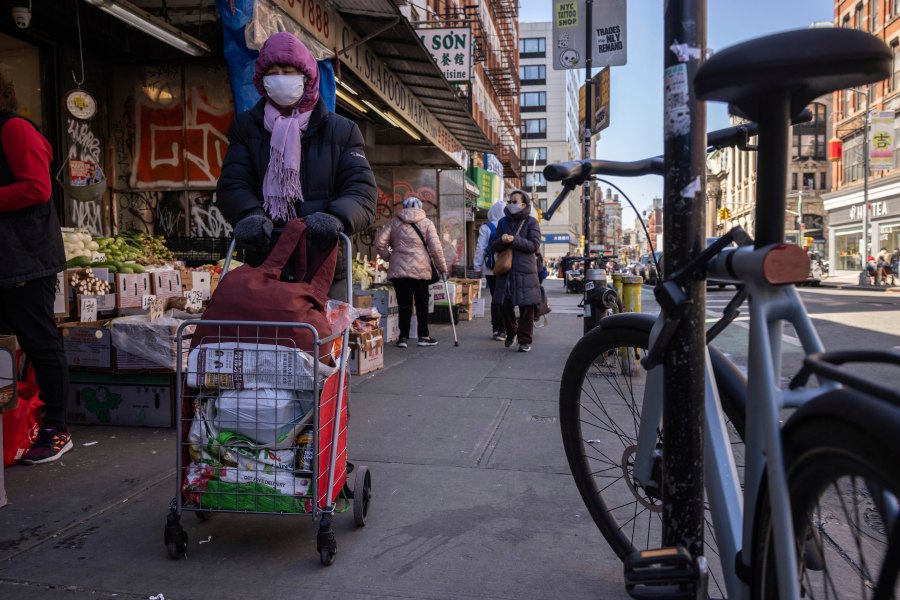
Impact of H.R. 1 on Asian American Communities in New York
The passage of H.R. 1, often referred to as the "One Big Beautiful Bill," has sparked significant concern among advocacy groups and community leaders in New York. This legislation, which was signed into law on July 4, is criticized for disproportionately benefiting the wealthiest Americans while cutting essential programs that support vulnerable populations, particularly Asian American communities.
According to the Asian American Federation (AAF), the bill could cost New York $14 billion in healthcare funding, directly affecting individuals of Asian descent. The impact will be felt across various sectors, including children, immigrant families, seniors, healthcare workers, and college students. Assemblymember Grace Lee, the first Korean American woman elected to New York State government, highlighted the bill’s devastating effects, stating that it represents a direct attack on Asian American New Yorkers.
Key Provisions of H.R. 1 and Their Consequences
H.R. 1 slashes funding for critical programs such as Medicaid, the Affordable Care Act, and the Supplemental Nutrition Assistance Program (SNAP). These cuts threaten healthcare, food aid, and education for millions of New Yorkers. Additionally, the bill increases the budget for Immigration and Customs Enforcement (ICE) by 308%, creating an atmosphere of fear among immigrant communities.
Senator John Liu, a Democrat representing northeast Queens, emphasized that the increased ICE presence exacerbates fear and erodes trust within communities. This fear extends beyond immigration enforcement to other agencies like the Department of Health and schools, pushing people into the shadows.
Asian immigrants, who make up 24% of the state’s undocumented population, are particularly at risk. With about 501,100 non-citizen New Yorkers being Asian, the bill’s provisions may lead to more arrests, workplace raids, and family separations.
Financial Burdens and Increased Fees
The law introduces new fees that place additional financial burdens on Asian American communities. These include:
- $5,000 for undocumented immigrants who miss court hearings
- $1,500 to adjust green card status
- $1,050 for waivers of inadmissibility
- $1,000 for asylum applications
- $900 to appeal or file motions
- $550 for work permits
- $250 for visas
- $100 in annual fees for pending cases
- 1% tax on non-bank transfers, affecting one in four Asian Americans who send money to family abroad
These costs are especially burdensome for refugees, asylees, and new green card holders who often arrive with limited resources.
Threats to Health Insurance and Food Assistance
H.R. 1 also threatens health insurance for many Asian New Yorkers, particularly those on the Essential Plan. About 636,000 Asian New Yorkers rely on Medicaid, medical assistance, or other government assistance plans. Among Asian immigrants, 420,000 depend on these programs.
The bill cuts funding for SNAP and the Children’s Health Insurance Program, putting children and families at risk of food insecurity and affecting healthcare access for children. About 36% of Asian American children in New York live in or near poverty, and 40% of all Asian households in the state rely on SNAP.
Work Requirements and Language Barriers
Work requirements of about 80 hours per month and new paperwork would disproportionately affect this community. Almost 38% of Asian New Yorkers have limited English skills, and almost 25% lack reliable internet. In New York City, 45% of older Asians live in or near poverty, and 70% have limited English proficiency, making these new rules particularly onerous.
Job Losses and Healthcare Access
The bill threatens 34,000 hospital-related jobs across the state, including almost 3,000 in the Bronx, an area with a high concentration of Asian American healthcare workers. These job losses will not only impact Asian American workers but also reduce language and culturally competent care access for patients with limited English.
College Affordability and Education
OBBB cuts Pell Grants and caps federal student loans, making college less affordable for Asian American students. Nationally, 47% of Asian American college students currently receive federal financial aid, and 36% of Pell Grant recipients are Asian. This means that tens of thousands of Asian students in New York would have to delay or drop out of school.
Community Response and Advocacy
The Asian American Federation suggests that New York increase funding for community-based organizations that provide linguistically appropriate and culturally competent assistance to Asian New Yorkers. These organizations are already facing huge demand with dwindling resources.
Broader Implications and Public Opinion
The bill's impact extends beyond New York, as Asian Americans represent the fastest-growing racial group in the state. Nearly 63% of Asian residents in New York State are foreign-born, with many living in mixed-status households that include undocumented family members.
Public opinion reflects growing dissatisfaction with the bill. A national poll found that Trump’s favorability has fallen among Asian American, Native Hawaiian, and Pacific Islander adults. About 71% of AAPI adults have an unfavorable opinion of Trump, up from 60% in December 2024.
Economic concerns play a central role in this shift. About eight in 10 AAPI adults expect Trump’s tariff policies to increase the cost of consumer goods, while only about four in 10 think tariffs will increase domestic manufacturing. Just two in 10 anticipate more U.S. jobs as a result.
In response to H.R. 1, Senator John Liu and Congressmember Grace Meng hosted a roundtable discussion in Queens, convening experts to address the real-life consequences of the bill’s cuts to Medicaid, the Affordable Care Act, and SNAP.
Conclusion
The passage of H.R. 1 has far-reaching implications for Asian American communities in New York. From healthcare and food assistance to education and employment, the bill poses significant challenges. Advocacy groups and community leaders are working to mitigate these impacts, but the need for comprehensive solutions remains urgent. As the debate continues, the voices of Asian American New Yorkers highlight the importance of protecting vulnerable populations and ensuring equitable access to essential services.

Post a Comment for "Study Reveals 'One Big Beautiful Bill' Effects on New York's Asian Community"
Post a Comment