Strong Earnings Boost Investor Confidence
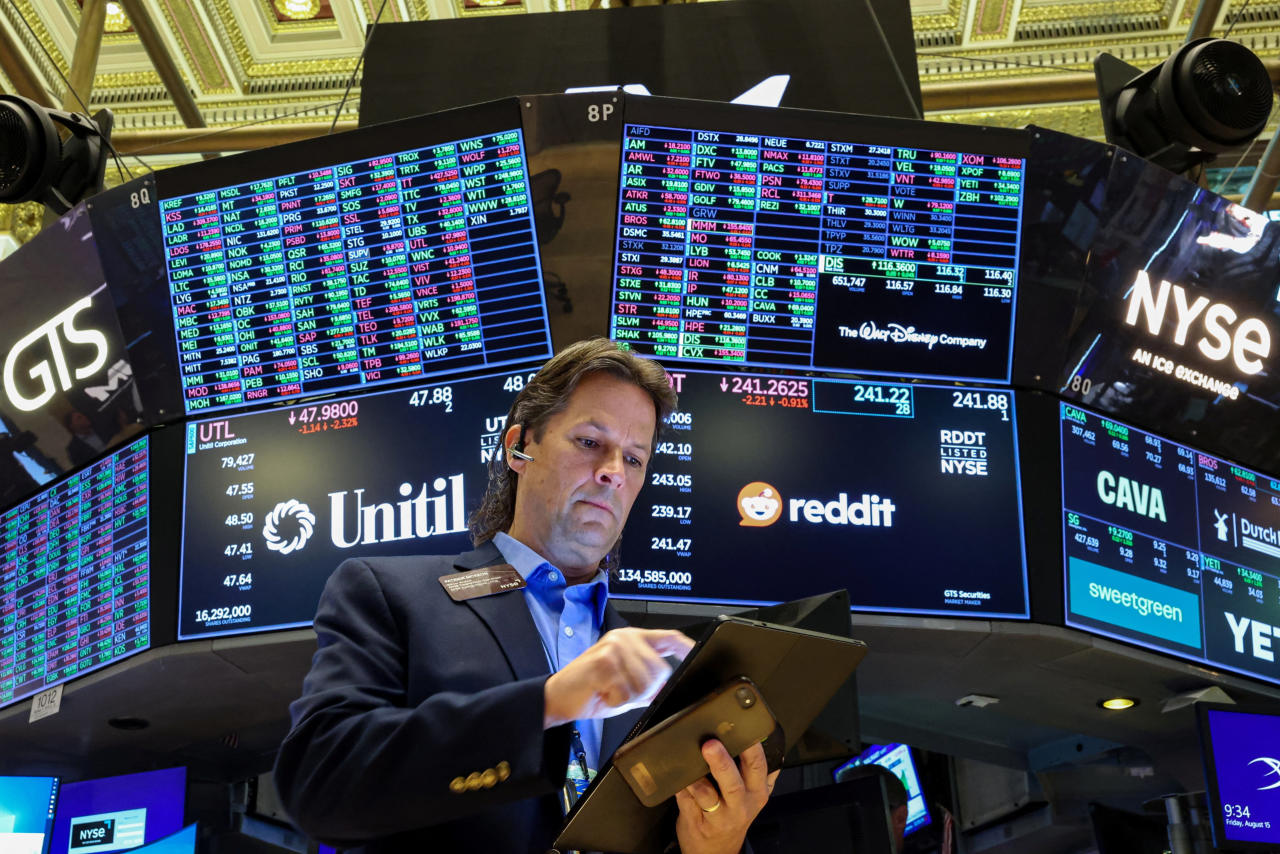
Strong Earnings Outperform Expectations
The job market is showing signs of cooling, and tariff rates are increasing. Despite these challenges, American companies continue to demonstrate resilience. With the latest earnings season nearly complete, top-line and bottom-line results from S&P 500 companies have surpassed expectations that were already adjusted downward following President Trump's announcement of sweeping import duties in April.
According to FactSet, profits are expected to have risen by approximately 12% in the second quarter compared to a year ago, significantly outpacing the 5% growth analysts had predicted in early July. This performance highlights the strength of corporate earnings, even amid economic headwinds.
While much of this growth has been driven by technology companies, corporate leaders have also shown increased optimism about the economy compared to earlier in the year. The use of the word "recession" in earnings calls has dropped by 84%, as reported by AlphaSense. These positive signals have contributed to major stock indexes achieving record highs in recent weeks. The S&P 500 has gained 29% from its lows in April and is now up 9.7% for the year.
Mixed Economic Data and Investor Sentiment
Recent economic data has presented a mixed picture. Disappointing job numbers have been partially offset by stable unemployment claims and a decent retail sales report. Two inflation reports last week delivered conflicting messages, with encouraging consumer-price index data followed by a more concerning report on wholesale inflation.
Despite this, some investors remain confident in the market as long as corporate earnings remain strong. This week, they will look for further insights into the health of consumers as the reporting season concludes with results from major retailers like Home Depot, Target, and Walmart.
Sonu Varghese, global macro strategist at Carson Group, noted that businesses have emerged from recent challenges in better shape than they were in February or March. However, not all sectors of the U.S. economy are performing equally well.
AI-Driven Growth and Sectoral Divergence
Only two out of the S&P 500’s 11 sectors—communications services and information technology—are expected to account for more than two-thirds of the index’s earnings growth. This is largely due to impressive quarters from companies such as Meta Platforms and Microsoft. Both firms are leading a surge in artificial-intelligence investment, which has created windfalls for a range of businesses involved in the infrastructure needed to support this technological shift.
Nvidia, the chipmaking giant often associated with the AI boom, is set to report earnings later this month. Meanwhile, companies like GE Vernova, Comfort Systems, and Owens Corning, which provide essential components for data centers, have also reported strong earnings recently, leading to significant gains in their stock prices.
However, other industries have struggled. Packaging companies, oil-and-gas drillers, and real-estate investment trusts have faced tougher conditions. Essex Property Trust, which leases apartments on the West Coast, cited weak demand in Los Angeles as a result of a generally sluggish economic environment. Its shares have declined by 11% since its earnings report, reflecting broader sector declines.
Policy Changes and Corporate Optimism
Some management teams believe that the recent slowdown in U.S. growth may be short-lived, especially now that the Trump administration has secured several trade deals and Congress has passed tax cuts. These developments have created a more stable policy environment, which corporate executives argue is crucial for planning and investment.
Scott Kirby, CEO of United Airlines, mentioned during a July 17 earnings call that demand had been weak for the past five months due to high levels of uncertainty. However, he noted that this uncertainty has decreased in recent weeks, leading to a meaningful improvement in demand.
Shares of United Airlines and other airlines had been down for most of the year but saw a rally last week after CPI data showed a jump in airfares and Spirit Airlines warned of potential operational changes. United's stock is now up 4% for the year.
Concerns About Market Valuations
While some investors are cautiously optimistic about the economy, there are growing concerns about the high valuations of stocks. Companies in the S&P 500 currently trade at 22.5 times their expected earnings over the next 12 months, above the 10-year average of 18.8 times.
Bob Doll, CEO at Crossmark Global Investments, described the current market as a "high-risk bull market," noting that stocks are essentially pricing in a near-perfect world that is not entirely accurate.

Post a Comment for "Strong Earnings Boost Investor Confidence"
Post a Comment