Stressed About Your Next Bathroom Break? Overcome Poop Anxiety
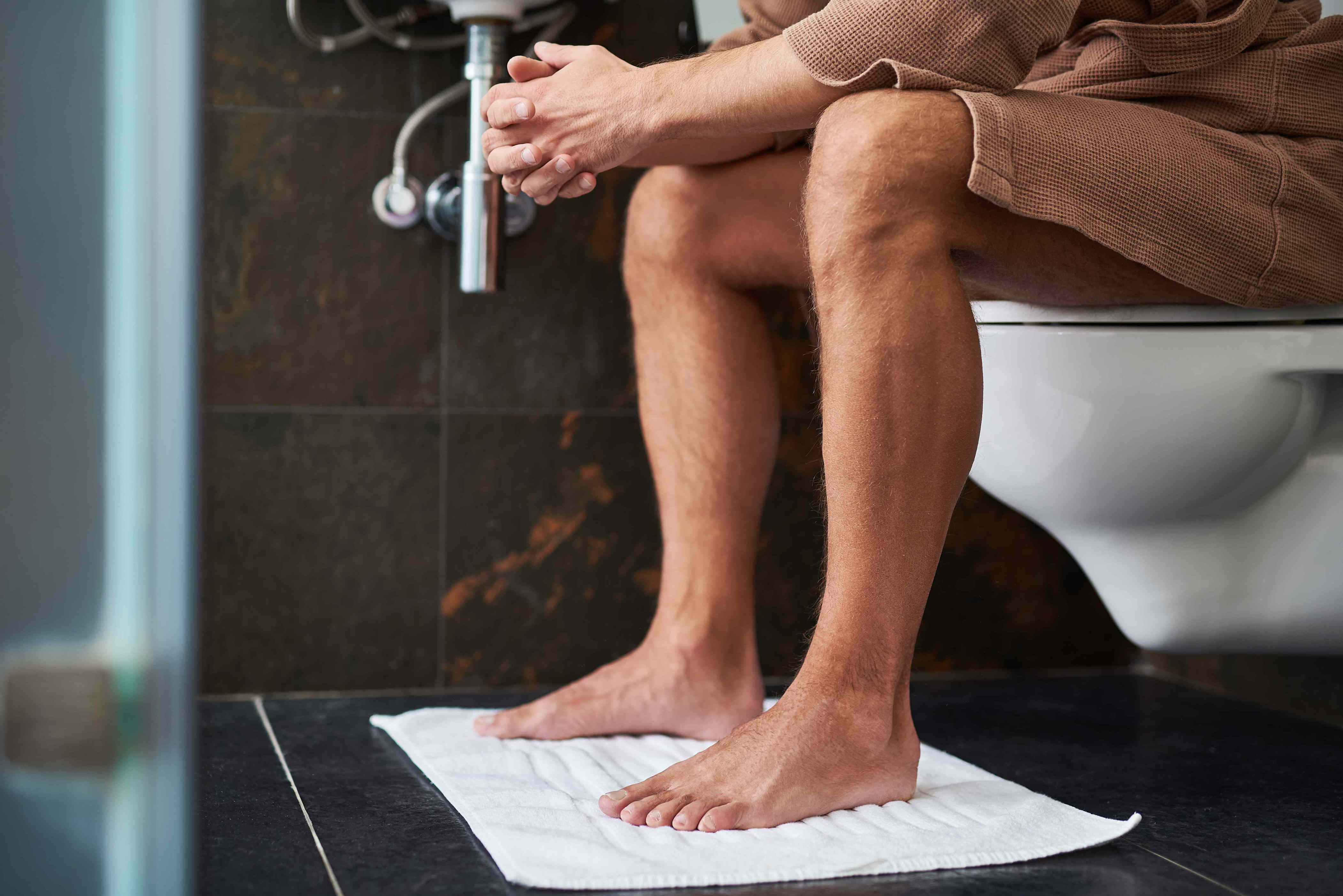
Understanding Poop Anxiety and Its Impact on Mental Health
A growing number of adults are experiencing anxiety related to their bowel movements, a phenomenon often referred to as "poop anxiety." According to a survey conducted among 2,001 American adults, 32% reported feeling anxious about when and where they will poop. This type of anxiety, while not a clinical term, is categorized as gastrointestinal-specific anxiety, which involves concerns solely related to bowel habits.
What Causes Poop Anxiety?
Poop anxiety can manifest in various ways, including the need to plan bathroom locations before leaving the house, anxiety about using the restroom around others, and even skipping meals out of fear of needing to use a public restroom. These behaviors can significantly impact daily life and contribute to stress and frustration.
The connection between emotions and digestion is well-established, but the emotional response to digestion itself can be powerful. Nearly half of the participants in the survey reported that external stressors could affect their digestive system, leading to issues like nervous poops or stress-induced constipation.
Who Is Most Affected?
Younger adults, particularly millennials and Gen Z, are more likely to experience poop anxiety compared to older generations. The survey found that 80% of millennials and 83% of Gen Z reported dealing with at least one of the following: changes in bowel habits due to stress, anxiety around pooping, or planning around bowel movements. This was significantly higher than the 69% of Gen X and 50% of Boomers who reported similar issues.
Why Are Young Adults More Likely to Struggle?
Several factors may explain why younger adults are more prone to poop anxiety. Online discussions about digestive health often contain misinformation or promote fads and supplements, which can increase stress and hypervigilance around bathroom habits. Additionally, younger people may worry more about social judgment in public restrooms, leading to conditions like parcopresis, or a "shy bowel."
As individuals age, they tend to become more comfortable with their bodily functions and less concerned with what others think. This shift in perspective can reduce the likelihood of experiencing poop anxiety.
The Role of Digestive Conditions
The prevalence of digestive conditions also plays a role in poop anxiety. The survey showed that millennials were most likely to have been diagnosed with a digestive condition, and those with conditions like irritable bowel syndrome (IBS) reported higher levels of poop anxiety. For individuals with chronic digestive issues, the physical discomfort can lead to increased anxiety, creating a cycle of stress and digestive difficulties.
The Gut-Brain Connection
Research into the gut-brain axis reveals the complex communication between the brain and the gastrointestinal tract. The gut microbiome can influence stress-related behaviors, and vice versa. This means that poop anxiety can become a self-fulfilling prophecy, where poor gut health contributes to increased anxiety, which in turn worsens digestive problems.
Unpleasant or embarrassing bowel-related experiences can trigger this cycle, leading to heightened awareness of bodily functions and increased anxiety over time.
Tips for Managing Poop Anxiety
If you find yourself struggling with anxiety about your digestion or bowel habits, there are several strategies you can try:
- Recognize the variety of "normal" – It’s completely normal to have different pooping schedules and to use public restrooms. There is no single "right" way to manage bowel movements.
- Identify and challenge avoidant behavior – Avoiding situations that cause anxiety only reinforces it. Try taking small steps, such as allowing yourself to use a public restroom or discussing your GI struggles with a friend.
- Practice deep breathing exercises – Techniques like diaphragmatic breathing can help reduce stress and calm anxious thoughts. Methods like box breathing, 4-7-8 breathing, or pursed lip breathing can be effective.
- Seek professional help – If poop anxiety is interfering with your daily life, consider reaching out to a healthcare provider. Organizations like the Rome Foundation can connect you with specialists who treat mental health issues related to digestion.
By understanding and addressing poop anxiety, individuals can take control of their mental and physical well-being, reducing the impact of stress on their digestive health.

Post a Comment for "Stressed About Your Next Bathroom Break? Overcome Poop Anxiety"
Post a Comment