Stop Skin Cancer Before It Starts
Understanding Skin Cancer: Common Causes and Prevention Strategies
Skin cancer is a prevalent health concern in the United States, with over 9,500 new cases diagnosed daily. It is not only the most common type of cancer but also one of the most preventable when detected early. For individuals like Ranjana, who recently learned about her friend's melanoma diagnosis, understanding the risks and prevention methods becomes crucial.
Types of Skin Cancer
There are three primary types of skin cancer:
- Basal Cell Carcinoma: This is the most frequent type and typically appears on sun-exposed areas of the skin. It often presents as a waxy bump or an open sore.
- Squamous Cell Carcinoma: The second most common type, it may manifest as a firm, red bump, ulcer, or non-healing sore.
- Melanoma: Although less common, this form is the most dangerous and can spread quickly. It usually develops from existing moles.
Risk Factors for Skin Cancer
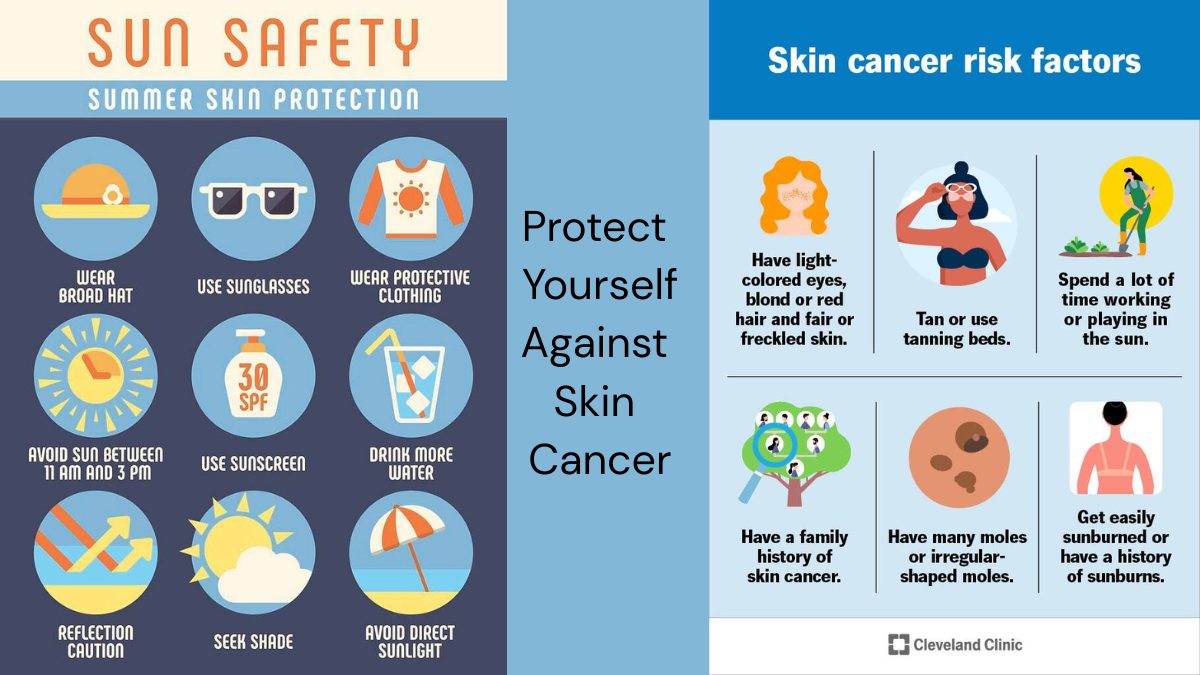
Several factors increase the likelihood of developing skin cancer. These include prolonged exposure to ultraviolet (UV) radiation from the sun, the use of tanning beds, a history of sunburns, previous skin cancer diagnoses, having more than 50 moles (especially atypical ones), family history, and a weakened immune system. While skin cancer is more prevalent among white individuals, it can affect people of all races and socioeconomic backgrounds, regardless of age.
Early Detection Techniques
Early detection plays a vital role in managing skin cancer effectively. Regular self-examinations of the skin and periodic check-ups with a dermatologist are essential. An easy way to remember the signs of melanoma is through the ABCDE acronym:
- Asymmetry: One half of the mole does not match the other.
- Border: Irregular, ragged, or notched edges.
- Color: Multiple shades or uneven coloration.
- Diameter: Larger than 6 mm, similar to the size of a pencil eraser.
- Evolving: Changes in size, shape, or color over time.
Preventive Measures
Prevention is key in reducing the risk of skin cancer. Applying sunscreen daily is a critical step. Sunscreen with an SPF of 30 or higher protects against both UVA and UVB rays. There are two main types of sunscreen:
- Mineral (Physical): Contains zinc oxide and titanium dioxide, which reflect UV rays off the skin.
- Chemical: Absorbs UV rays and converts them into heat, which is then released from the skin.
Sunscreen should be applied generously to all exposed skin and reapplied every two hours, especially after swimming or sweating. Even on cloudy days, UV rays can penetrate clouds, making daily application necessary.
Additional Prevention Strategies
Beyond sunscreen, other preventive measures include seeking shade during peak sun hours, wearing protective clothing such as wide-brimmed hats, long sleeves, and sunglasses, and avoiding sunburns. These steps can significantly reduce the risk of skin damage and subsequent cancer development.
Maintaining Consistent Sunscreen Use
Sticking to a sunscreen routine can be challenging, but strategies exist to encourage consistent use. Research has shown that individuals are more likely to adopt healthy behaviors if they believe the benefits outweigh the drawbacks, have confidence in their ability to maintain the habit, and have access to sunscreen. Continued use is supported by reflecting on behavior changes, setting personal goals, and seeking encouragement from family and friends.
Resources for Further Information
For those seeking more information, several reputable resources are available:
- Cleveland Clinic’s website provides detailed information on the management and treatment of skin cancer.
- Mayo Clinic’s website offers visual aids and comprehensive guides.
- Skin Cancer Foundation’s website is a valuable source of educational materials.
- Skin Cancer Resource Center from the American Academy of Dermatology Association provides practical insights.
- Practical Stress Management, an ebook from Science Direct, includes chapters on coping with stress related to skin cancer.
By understanding the causes, recognizing the signs, and adopting preventive measures, individuals can take proactive steps to protect their skin and overall health.

Post a Comment for "Stop Skin Cancer Before It Starts"
Post a Comment