State on the brink of first major energy storage deal
Massachusetts Accelerates Energy Storage Procurement Amid Clean Energy Transition
Massachusetts is taking significant steps to advance its clean energy goals by focusing on energy storage solutions. After pausing its offshore wind procurement plans, the state is now moving swiftly toward launching multiple solicitations for energy storage capacity over the next five years. This shift highlights a growing emphasis on securing reliable and sustainable power sources as the state works to meet ambitious environmental targets.
A 2024 clean energy law mandates that utilities collaborate to secure “cost-effective” contracts for energy storage services or their associated environmental attributes, totaling approximately 5,000 MW of capacity by July 31, 2030. The first procurement, which focuses solely on environmental attributes, was published on July 31 and calls for up to 1,500 MW of capacity. These environmental attributes are akin to renewable energy credits, such as clean peak energy certificates, which energy suppliers use to demonstrate compliance with state clean energy regulations.
The focus of this initial procurement is on long-term contracts for mid-duration energy storage systems. These systems can store energy and dispatch it at full capacity for between four and 10 hours. Bids are due by September 10, and an independent evaluator has indicated that there could be strong competition in the bidding process.
According to a May report from Power Advisory, there are over 60 energy storage projects with a capacity of 40 MW or more that are proposing to interconnect in Massachusetts. These projects collectively offer nearly 13,000 MW of potential capacity, having completed feasibility studies, system impact studies, facility studies, or interconnection agreements. Additionally, Power Advisory identified about 3,000 MW of energy storage projects under development that are in advanced stages of planning.
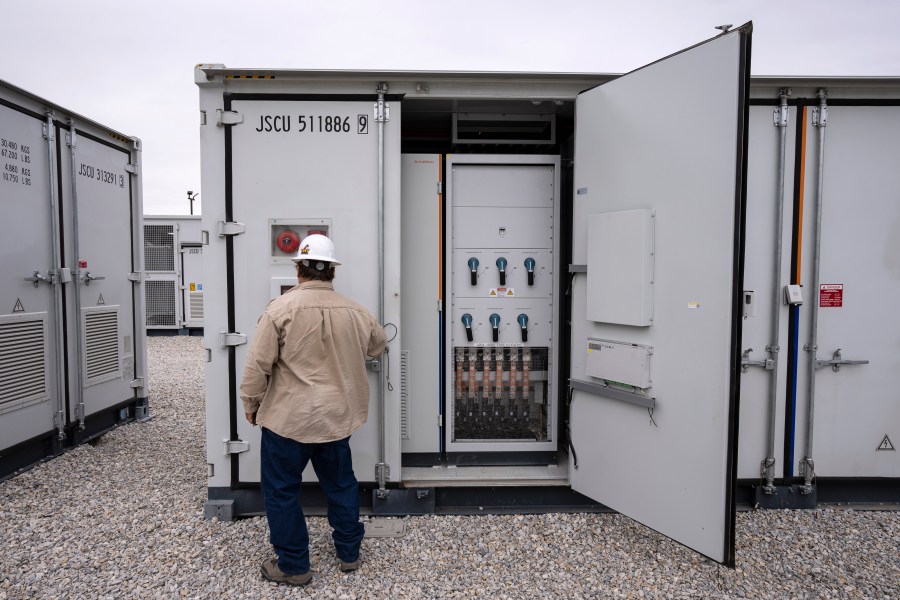
Energy storage is often referred to as the "Swiss army knife" of the electricity industry, due to its versatility and critical role in the clean energy transition. As the state envisions increased adoption of electric vehicles and heat pumps, officials anticipate a surge in electrification loads. To meet this demand, Massachusetts aims to rely on cleaner generation sources like offshore wind and hydropower. Energy storage is seen as a key solution for capturing clean power during off-peak hours and deploying it during peak demand periods, helping to reduce reliance on carbon-emitting generation sources.
The 2024 energy law outlines a staggered procurement schedule for energy storage. It requires 1,500 MW of mid-duration storage (environmental attributes only) by July 31, 2025, followed by separate procurements of 1,000 MW each by July 31, 2026, and 2027. The remaining capacity is expected to be secured by July 31, 2030. The law also specifies that 3,500 MW should come from mid-duration storage (four to 10 hours), 750 MW from long-duration storage (able to dispatch electricity between 10 hours and 24 hours), and, if commercially viable and cost-effective, 750 MW from multi-day energy storage systems.
Key Developments in Massachusetts Energy Policy
The state’s approach to energy storage reflects a broader strategy to integrate renewable energy sources and ensure grid reliability. By investing in energy storage, Massachusetts is positioning itself to meet future energy demands while reducing its environmental footprint. This initiative aligns with national trends that emphasize the importance of energy storage in achieving a resilient and sustainable energy infrastructure.
As the state moves forward with its energy storage procurements, it will be crucial to monitor how these projects develop and how they contribute to the overall clean energy landscape. With a robust pipeline of projects already in progress, Massachusetts is well-positioned to lead in the transition to a cleaner, more efficient energy system.

Post a Comment for "State on the brink of first major energy storage deal"
Post a Comment