State Dept. Investigates Harvard's Visa Sponsorship Qualifications
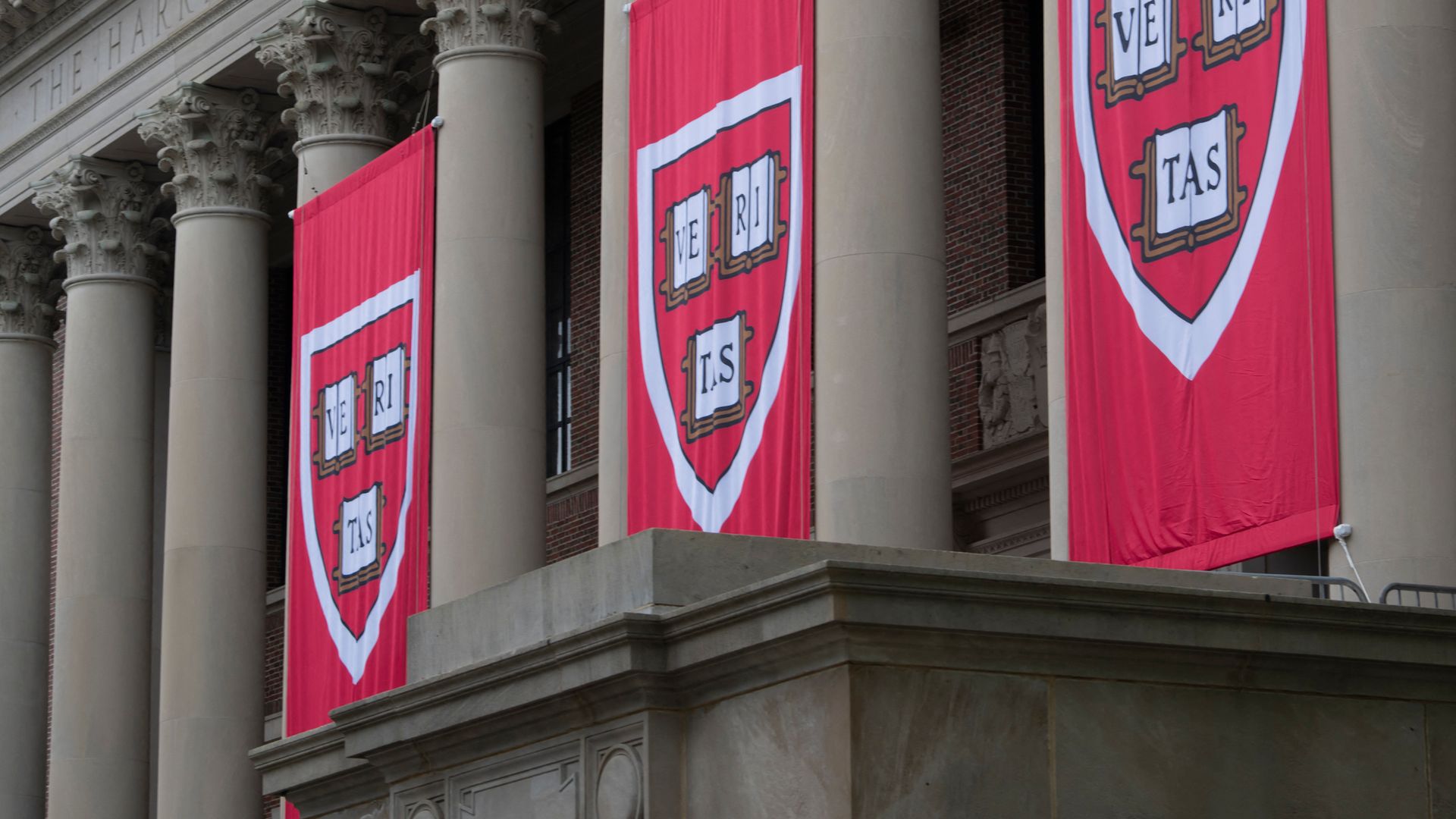
U.S. State Department Launches Investigation into Harvard's Visa Sponsorship
The U.S. State Department has initiated an investigation into Harvard University’s eligibility to sponsor international students under the federal Exchange Visitor Program, commonly known as the J-1 visa program. The probe aims to determine whether Harvard continues to meet the requirements set forth by the program, which allows foreign students and scholars to study or work in the United States temporarily.
In a statement, Secretary of State Marco Rubio emphasized the importance of compliance with federal regulations and the need for universities to uphold national security and provide safe environments for all students. "The American people have the right to expect their universities to uphold national security, comply with the law and provide safe environments for all students," he said.
Focus on Compliance and Public Interest
The investigation will examine whether Harvard’s activities as a sponsor align with its obligations under the J-1 visa program. This includes ensuring transparent reporting and maintaining a commitment to national security and foreign policy standards. The department stated that the probe is part of a broader effort to ensure educational institutions operate within the bounds of U.S. law and policy.
Harvard responded to the announcement by calling the investigation "another retaliatory step" and claimed it violates the university’s First Amendment rights. A spokesperson for the university stated, "Harvard continues to enroll and sponsor international scholars, researchers and students, and will protect its international community and support them as they apply for U.S. visas and travel to campus this fall."
Linking Protests to Visa Revocations
Secretary of State Rubio has also been linked to recent actions targeting international students involved in campus protests. In May, he began revoking the visas of students participating in demonstrations, including those supporting Palestine. During a meeting with Guyanese President Irfaan Ali, Rubio warned that foreign students engaging in disruptive behavior could risk losing their legal status in the United States.
"I think it's crazy – I think it's stupid for any country in the world to welcome people into their country that are going to go to their universities as visitors – they're visitors – and say I'm going to your universities to start a riot, I'm going to your universities to take over a library and harass people," Rubio said. "Why would any country in the world allow people to come and disrupt? We gave you a visa to come and study and get a degree, not to become a social activist that tears up our university campuses."
Ongoing Conflict with the Trump Administration
This latest development marks another chapter in the ongoing tensions between the Trump administration and Harvard University. In April, Harvard declined to implement proposed changes from a federal task force focused on addressing antisemitism. The recommendations would have altered the university’s admissions and hiring practices, allowing for a government-led review of its faculty.
Following this decision, the Trump administration moved to freeze over $2 billion in federal research funding tied to the university, prompting Harvard to file a lawsuit in response. The administration has also taken steps to limit the school’s ability to enroll international students, citing concerns over campus safety and misconduct.
Proclamation Cites Misconduct and Incomplete Data
In May, the Trump administration attempted to strip Harvard of its Student and Exchange Visitor Program certification. After this effort was blocked in federal court, Trump issued a proclamation aimed at restricting foreign students from attending the university. The proclamation cited a rise in violent crime at Harvard and alleged that the university had failed to enforce some campus conduct rules.
According to the proclamation, the Department of Homeland Security had requested information from Harvard about foreign students involved in illegal or violent behavior, threats to others on campus, or violations of rights. Officials said Harvard provided records for just three students, but the data was incomplete and unusable for further review. The proclamation concluded that Harvard could no longer be considered a reliable sponsor for international students and that its actions could threaten the integrity of the nation's student visa system and national security.
Legal Battle Intensifies
Harvard responded to the proclamation by accusing the Trump administration of retaliating against the university just hours after it filed an amended legal complaint. In its amended filing, Harvard described the proclamation as "a transparent attempt to circumvent the temporary restraining order" already in effect and challenged the legality of the administration’s actions in federal court.

Post a Comment for "State Dept. Investigates Harvard's Visa Sponsorship Qualifications"
Post a Comment